Deposition apparatus for organic el and evaporating apparatus

US20100000469A1Inactive Publication Date: 2010-01-07TOKYO ELECTRON LTD
6 Cites 1 Cited by

Patent Information

Authority / Receiving Office
US · United States
Current Assignee / Owner
Publication Date
2010-01-07
Estimated Expiration
Not applicable · inactive patent

Smart Images

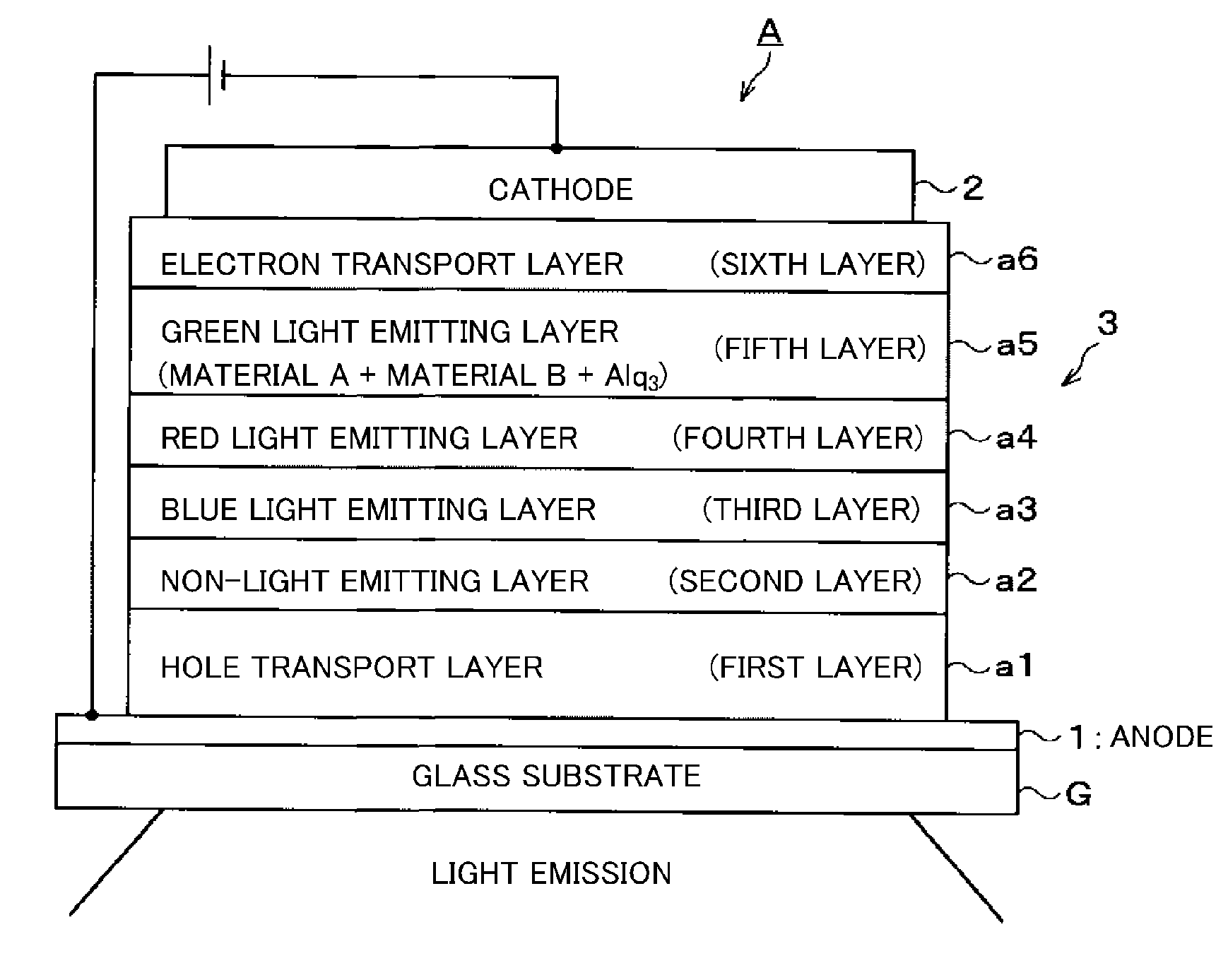
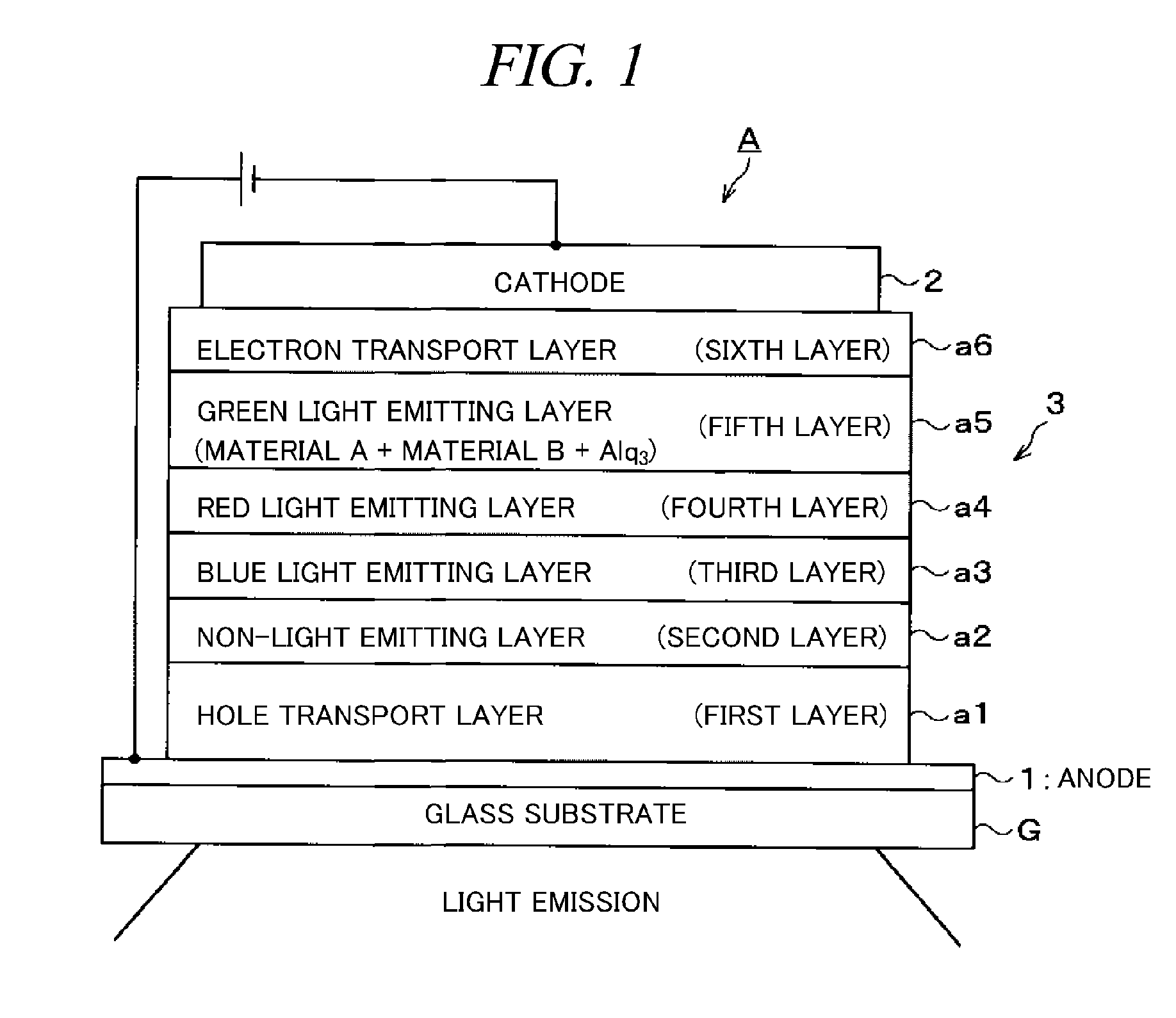
  • Figure 1
    Figure 1
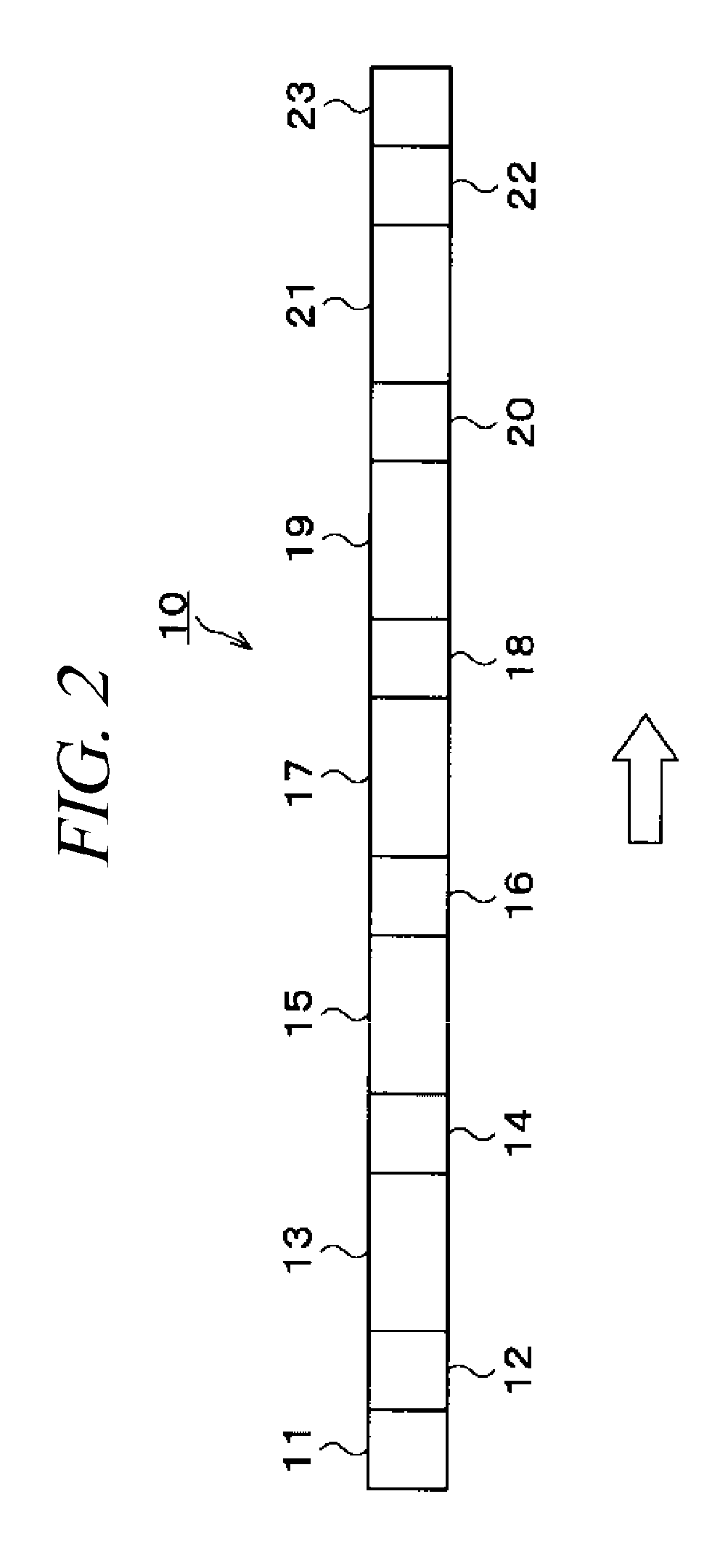
  • Figure 2
    Figure 2
  • Figure 3
    Figure 3
Patent Text Reader

Abstract

Provided is a deposition apparatus for organic EL capable of allowing vapor of a film forming material to be vapor deposited on a target object to be uniformly heated. A deposition apparatus, which performs a film forming process by vapor depositing a film forming material on a target object in a depressurized processing chamber, includes an evaporating head having a vapor discharge opening, disposed in the processing chamber, for discharging vapor of the film forming material. Inside the evaporating head, provided is a heater receiving member which is sealed with respect to an inside of the processing chamber, and installed is a communication path which allows the heater receiving member to communicate with an outside of the processing chamber. A power supply line for a heater received in the heater receiving member is disposed in the communication path and extended to the outside of the processing chamber.
Need to check novelty before this filing date? Find Prior Art

Description

FIELD OF THE INVENTION

[0001] The present disclosure relates to a deposition apparatus of organic EL for performing a film forming process by vapor depositing a heated film forming material on a target object to be processed.BACKGROUND OF THE INVENTION

[0002] Recently, an organic EL device utilizing electroluminescence (EL) has been developed. Since the organic EL device generates almost no heat, it consumes less power as compared to a cathode-ray tube or the like. Further, since the organic EL device is a self-luminescent device, there are some other advantages, for example, a view angle wider than that of a liquid crystal display (LCD), so that progress thereof in the future is expected.

[0003] Most typical structure of this organic EL device includes an anode (positive electrode) layer, a light emitting layer and a cathode (negative electrode) layer stacked sequentially on a glass substrate to form a sandwiched shape. In order to bring out light from the light emitting layer, a transpa...

Examples

experimental example 1

[0061]As illustrated in FIG. 11, a mica heater having a size of 45 mm×211.5 mm was accommodated in a housing having a size of 68 mm×260 mm. Then, measured were temperatures of points A-1, A-2 and A-3 at a surface A which is a surface to be heated (a surface of a path of vapor) and a temperature of a point H-1 which is a central point of the heater itself and a temperature of a point B-1 at a rear surface (surface B) of an end portion of the heater. The heater was a mica heater, and a thickness of the heater was 1.5 mm. A thickness of a heater receiving member was 1.6 mm having a clearance of 0.1 mm with respect to the thickness of the heater.

[0062]As for an installation method of the heater in accordance with an example of the present disclosure as illustrated in FIG. 12A, a rear surface of a heater 100 was firmly pressed toward a surface (surface A) to be heated by a disk spring 110 via a pressing plate 111 interposed therebetween. The experiment was conducted for two cases where a...