

Asymmetric compound parabolic concentrator and related systems
a concentrator and compound technology, applied in the field of asymmetric compound parabolic concentrators, can solve the problems of inconvenient operation, high cost, and inability to efficiently and cost-effectively produce algal biomass, and achieve the effect of efficient trackless performan
- Summary
- Abstract
- Description
- Claims
- Application Information
AI Technical Summary
Benefits of technology
Problems solved by technology
Method used
Image

Examples
Embodiment Construction
[0032]The ensuing description provides preferred exemplary embodiment(s) only, and is not intended to limit the scope, applicability or configuration of the disclosure. Rather, the ensuing description of the preferred exemplary embodiment(s) will provide those skilled in the art with an enabling description for implementing a preferred exemplary embodiment. It being understood that various changes may be made in the function and arrangement of elements without departing from the spirit and scope as set forth in the appended claims.
[0033]Various embodiments described herein are disclosed herein for renewable energy production. For instance, embodiments described herein may be used singularly or in combination with a bioreactor, and / or solar energy generation, etc.
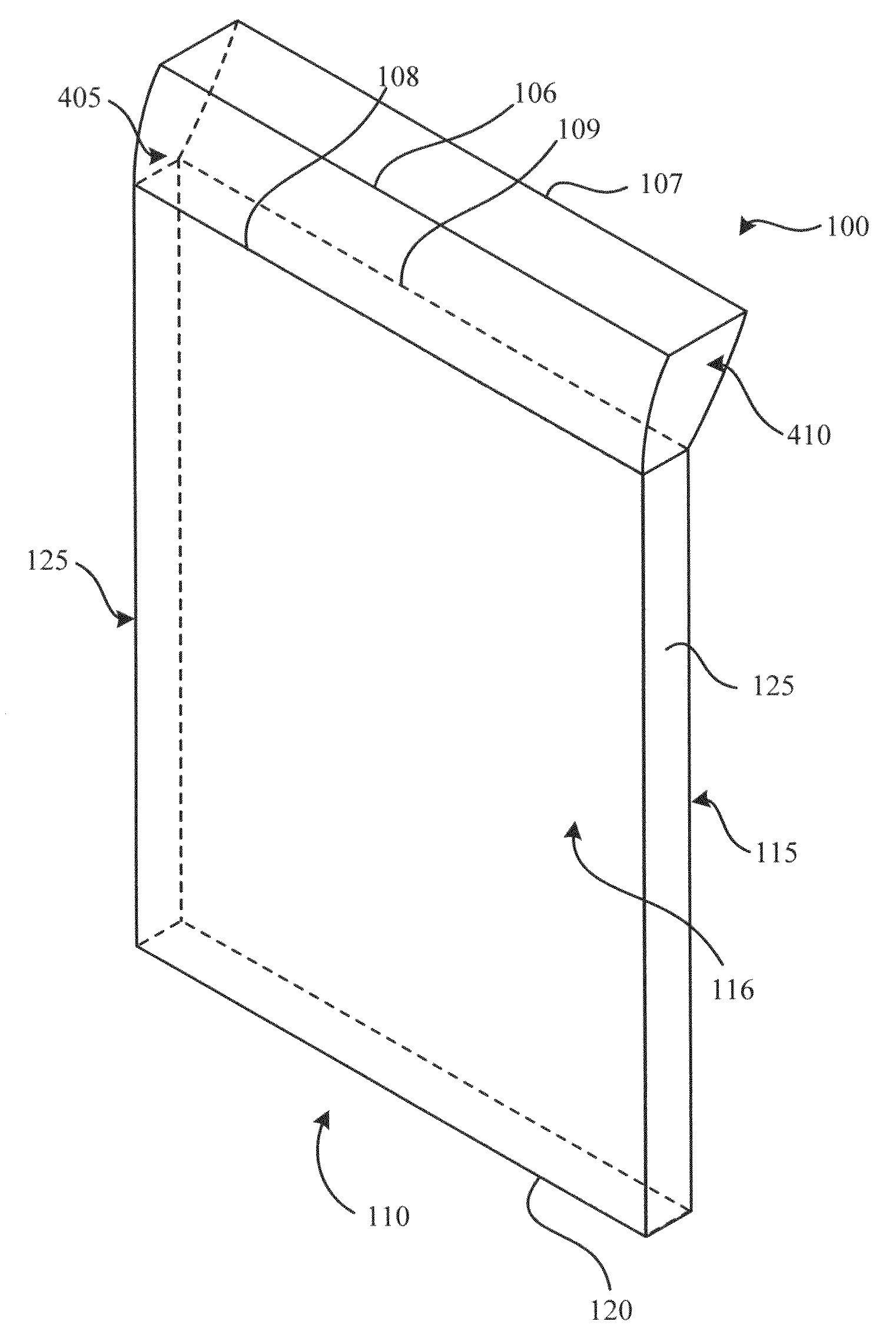
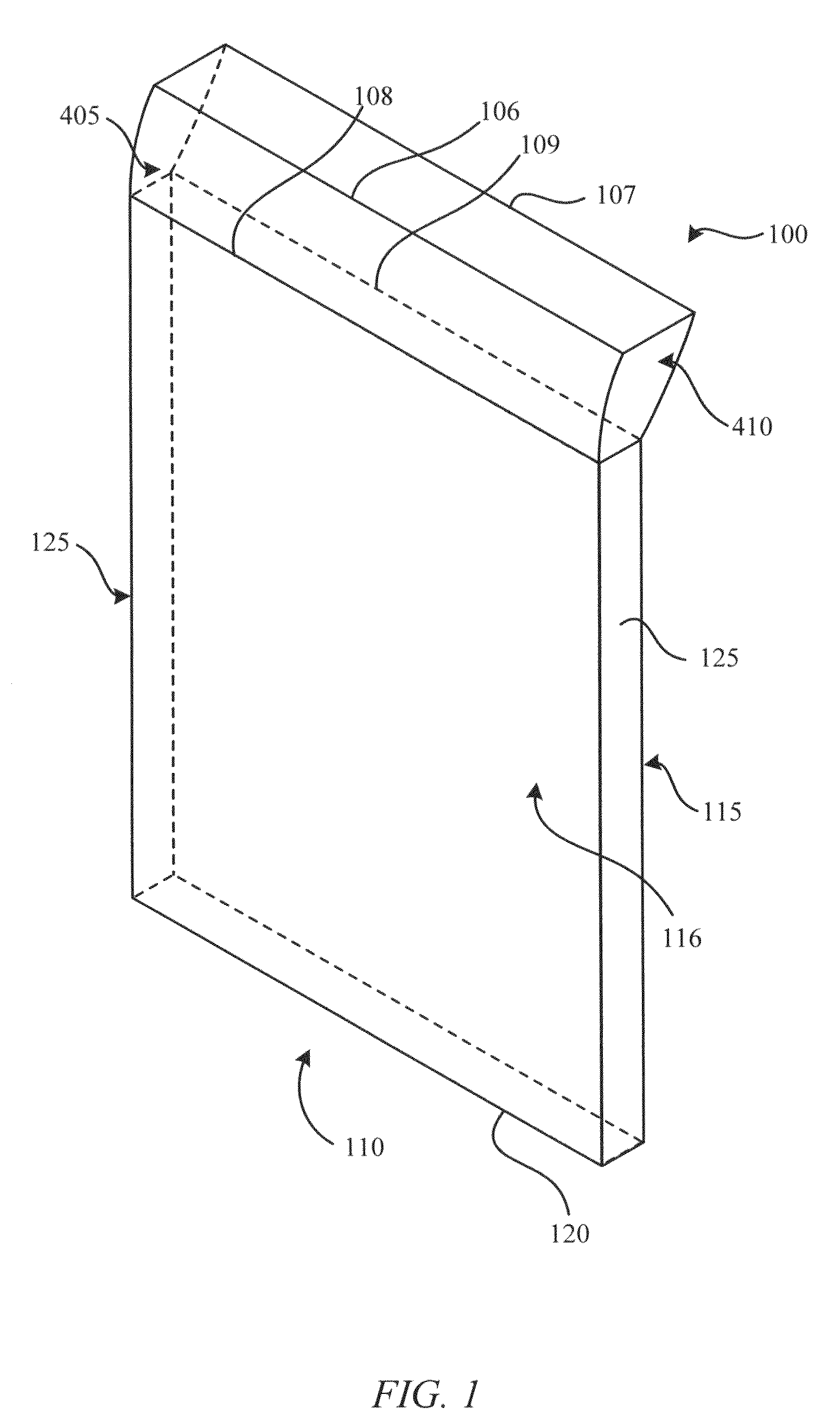
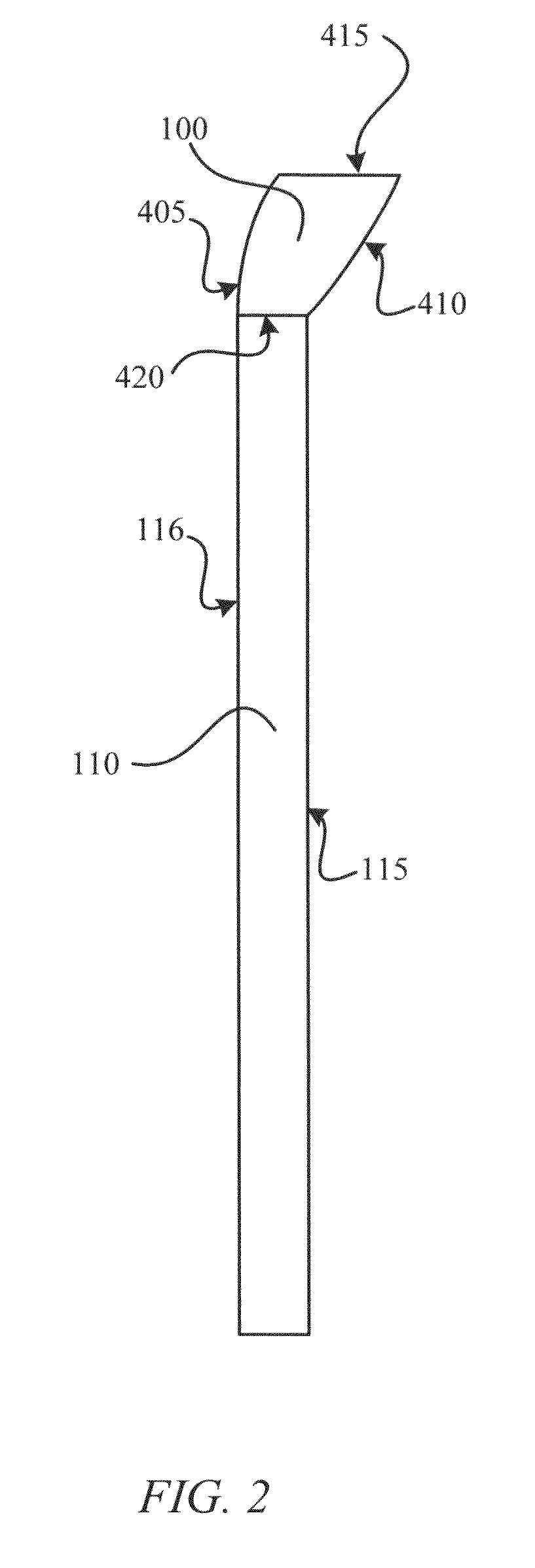
[0034]For example, an asymmetric compound parabolic concentrator is disclosed in some embodiments that may collect light from the sun without the use of tracks despite seasonal variations in the sun's elevation. As another e...
PUM
| Property | Measurement | Unit |
|---|---|---|
| angles | aaaaa | aaaaa |
| depth | aaaaa | aaaaa |
| area | aaaaa | aaaaa |
Abstract
Description
Claims
Application Information
 Login to View More