However, while much of the
information technology industry moves toward
cloud computing and
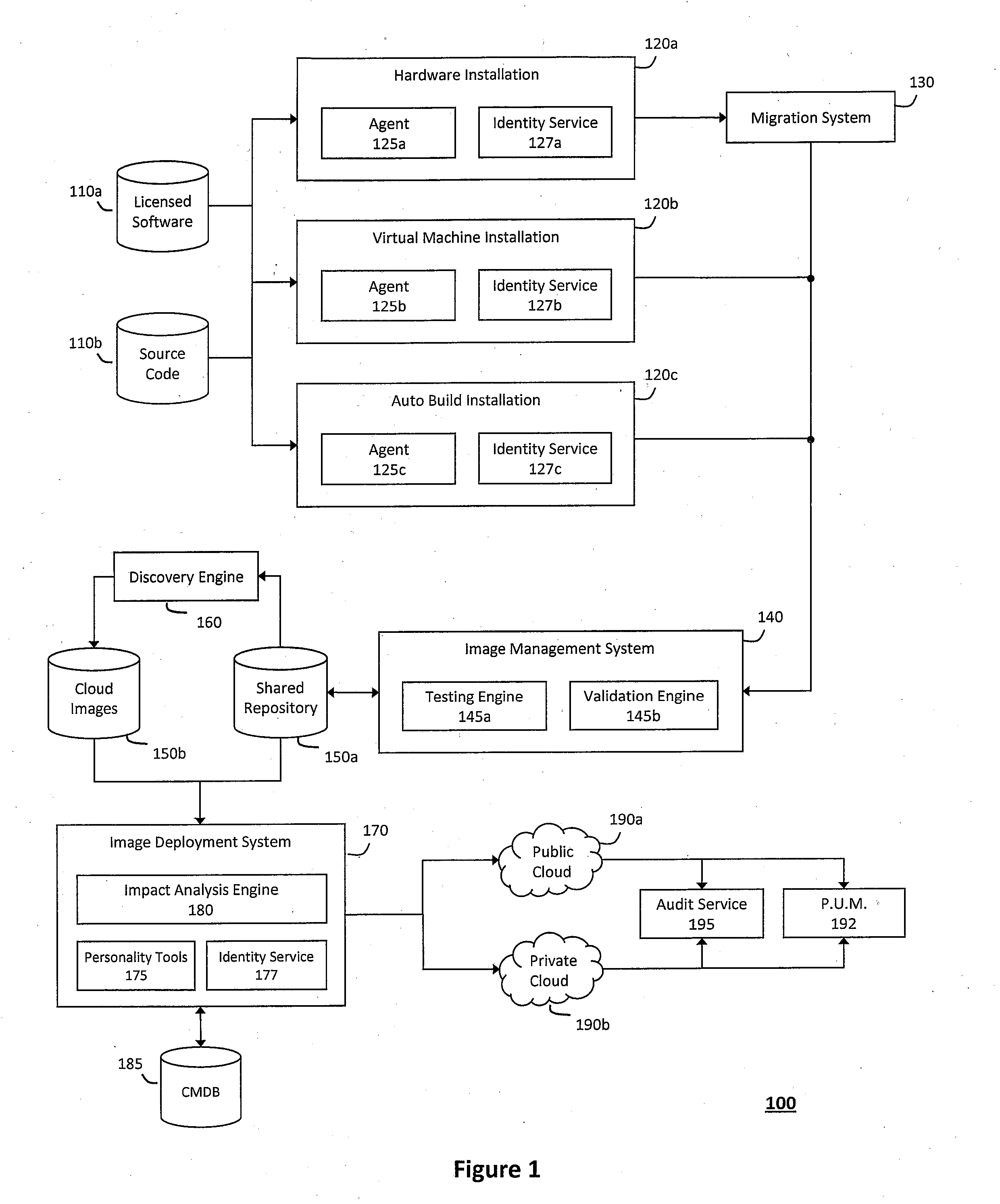
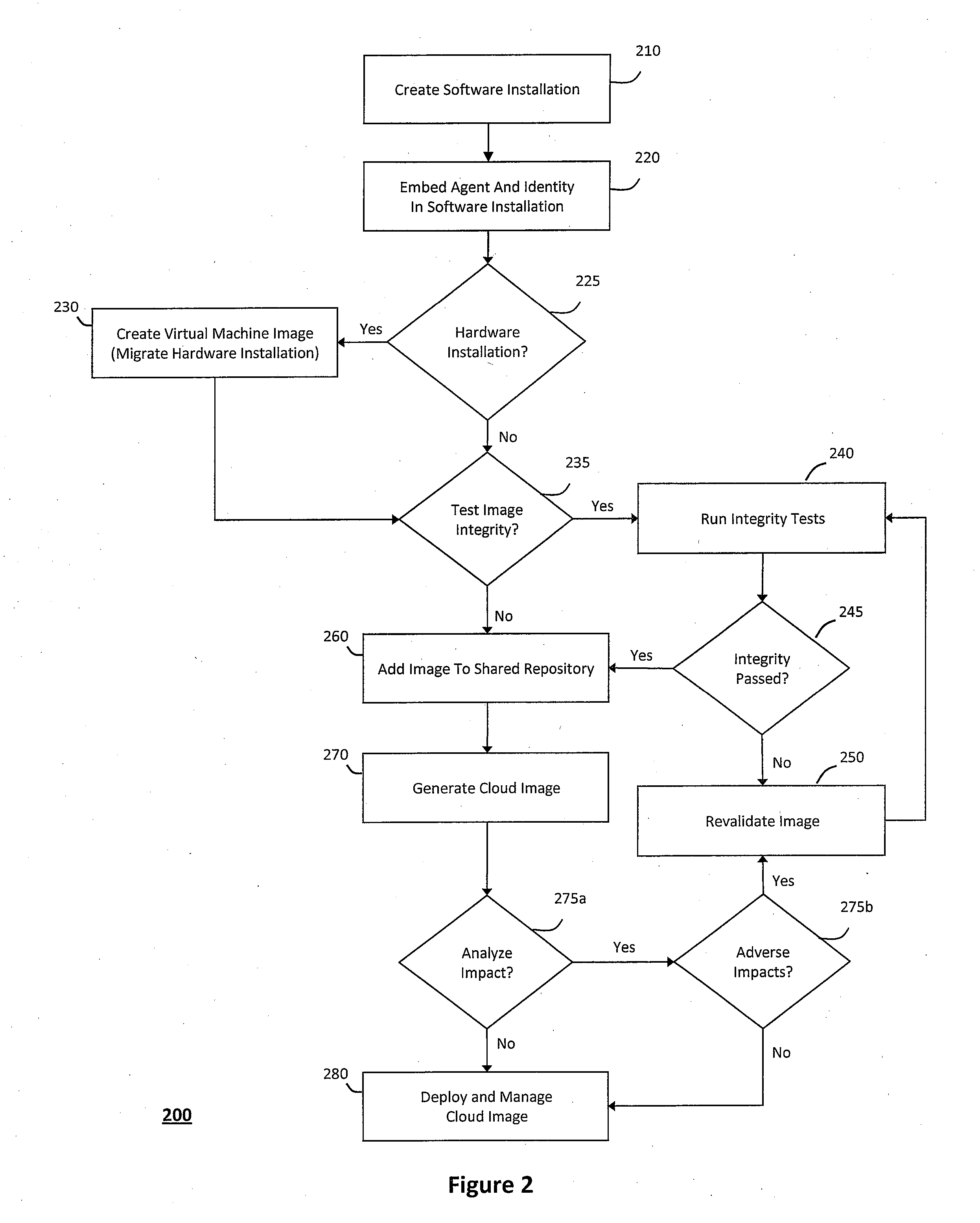
virtualization environments, existing systems tend to fall short in adequately addressing concerns relating to managing or controlling workloads and storage in such environments.
For example, cloud computing environments are generally designed to support generic business practices, meaning that individuals and organizations typically lack the ability to change many aspects of the platform.
Moreover, concerns regarding performance, latency, reliability, and security present significant challenges, as outages and
downtime can lead to lost business opportunities and decreased productivity, while the generic platform may present governance, risk, and compliance concerns.
In other words, once organizations deploy workloads beyond the boundaries of their data centers, lack of
visibility into the computing environment may result in significant management problems.
While these types of problems tend to be pervasive in cloud computing and
virtualization environments due to the lack of transparency, existing systems for managing and controlling workloads that are physically deployed and / or locally deployed in home data centers tend to suffer from many similar problems.
As such, because existing systems for managing infrastructure workloads operate within distinct silos that typically do not communicate with one another, context that has been exchanged between two entities can often be lost when the
workload moves to the next step in the chain.
Although emerging trends in virtualization, cloud computing, appliances, and other models for delivering services have the potential to allow
information technology to catch up with the speed of business, many businesses lack the knowledge needed to intelligently implement these new technologies.
For example, emerging service delivery models often lead to deployed services being composed and aggregated in new and unexpected ways.
In particular, rather than designing and modeling systems from the ground up, new functionality is often generated on-the-fly with complex building blocks that tend to include various services and applications that have traditionally been isolated and stand-alone.
As such, even though many emerging service delivery models provide administrators and users with a wider range of
information technology choices than have ever before been available, the diversity in technology often compounds business problems and increases the demand for an agile infrastructure.
Thus, despite the advantages and promise that new service delivery models can offer businesses, existing systems tend to fall short in providing information technology tools that can inform businesses on how to intelligently implement an information technology infrastructure in a manner that best leverage available technology to suit the particular needs of a business.
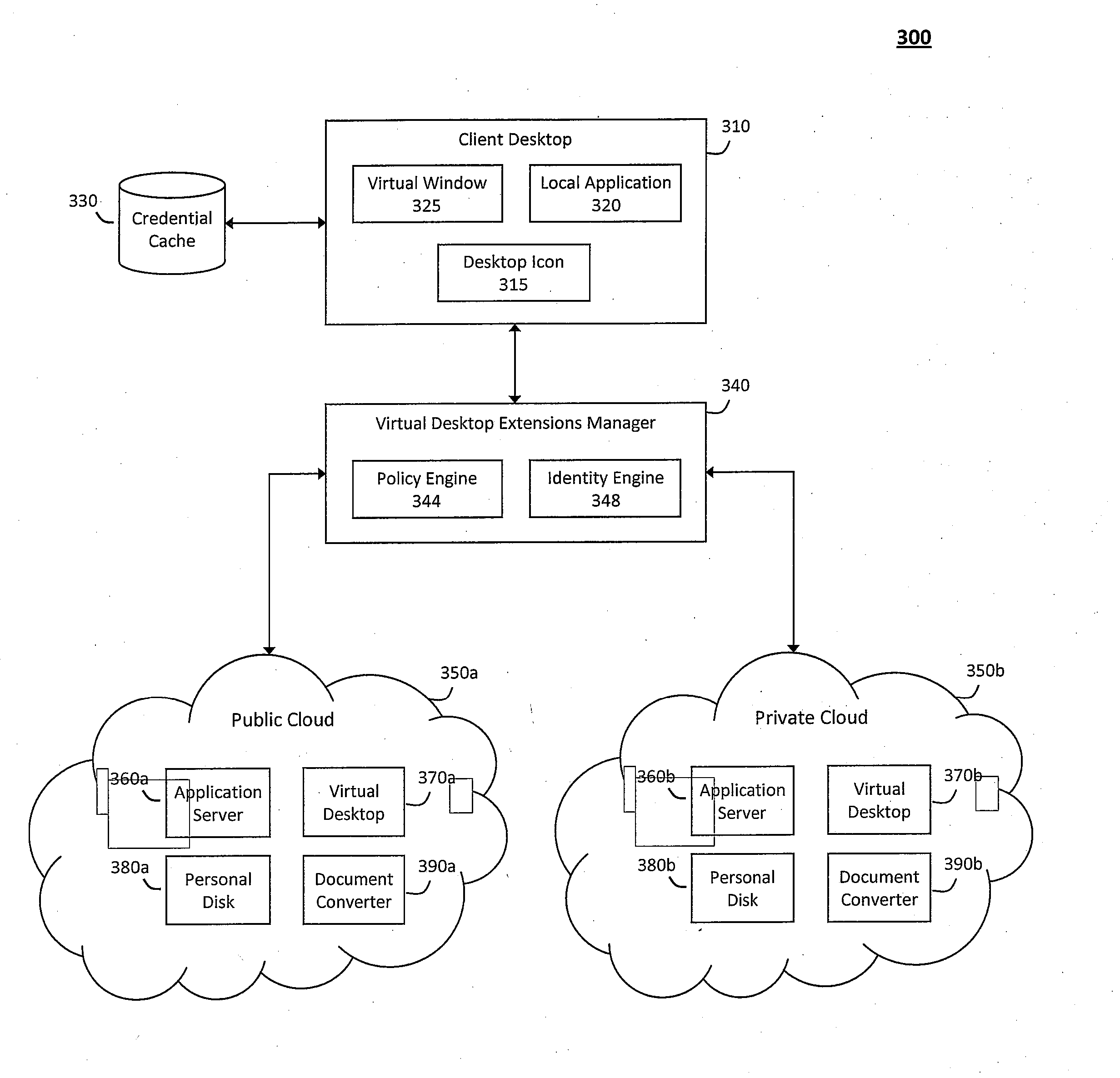
Furthermore, in many instances, a client device may need to run applications or services that cannot run on a current desktop associated with the client device.
Further still, applications currently running on the client device may lack support for a document having a certain file type, whereby to open the document, the client device would then have to install new application that supports the file type or convert the document to a supported file type.
Although emerging service delivery models offers various ways to interact with information technology that may be new or otherwise unsupported on a particular client device, existing desktop interfaces typically have limited (if any) support for the diverse technologies typically employed in these emerging service delivery models.
Moreover, adding support for particular operating systems, applications, file types, or other services can often, be tedious (e.g., a user may not want to perform the work needed to install new applications to support file types that will only be used rarely or occasionally, may not want to install new applications on the desktop, etc.).
As such, cloud computing environments may be used to provide dynamically allocated resources that can support certain operating systems or applications, but existing systems for managing services in virtualized and cloud data centers tend to be complex and difficult to manage.
For example, certain users may have multiple machines that interact with common or otherwise shared data, but configuring existing systems to make the shared data available to the multiple machines tends to be cumbersome (e.g., policies may
restrict making sensitive data available in public clouds or outside corporate firewalls).
Thus, although virtualized and cloud data centers can substantial flexibility in decoupling applications and services from underlying physical hardware, client devices tend to lack simple interfaces that can be used to create and interact with such applications and services on-demand.


 Login to View More
  Login to View More