
Reflecting device and tunable laser
A reflection device and laser technology, applied in the field of communication, can solve the problems of low temperature, disconnection of tunable lasers, high temperature, etc.
- Summary
- Abstract
- Description
- Claims
- Application Information
AI Technical Summary
Problems solved by technology
Method used
Image

Examples
Embodiment Construction
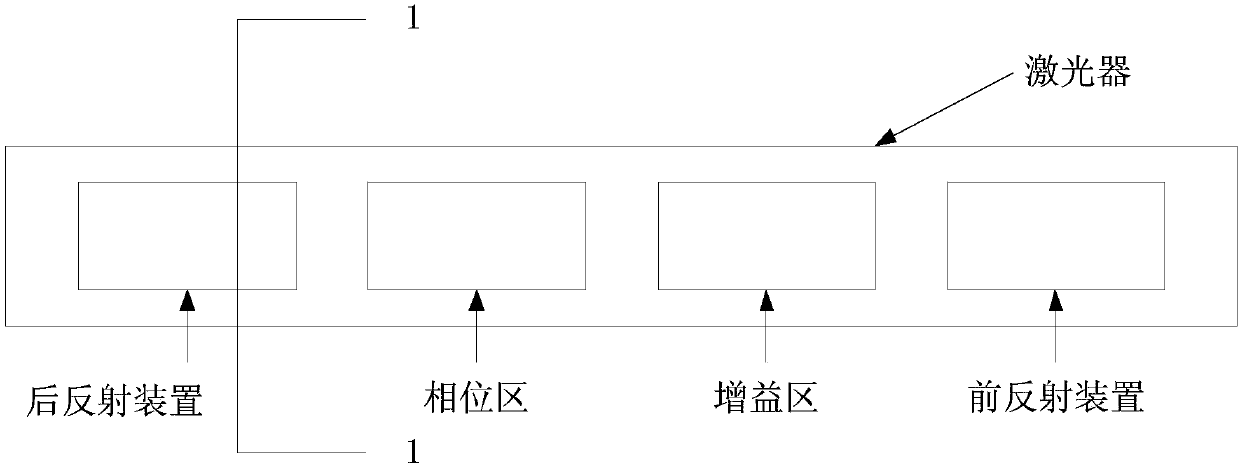
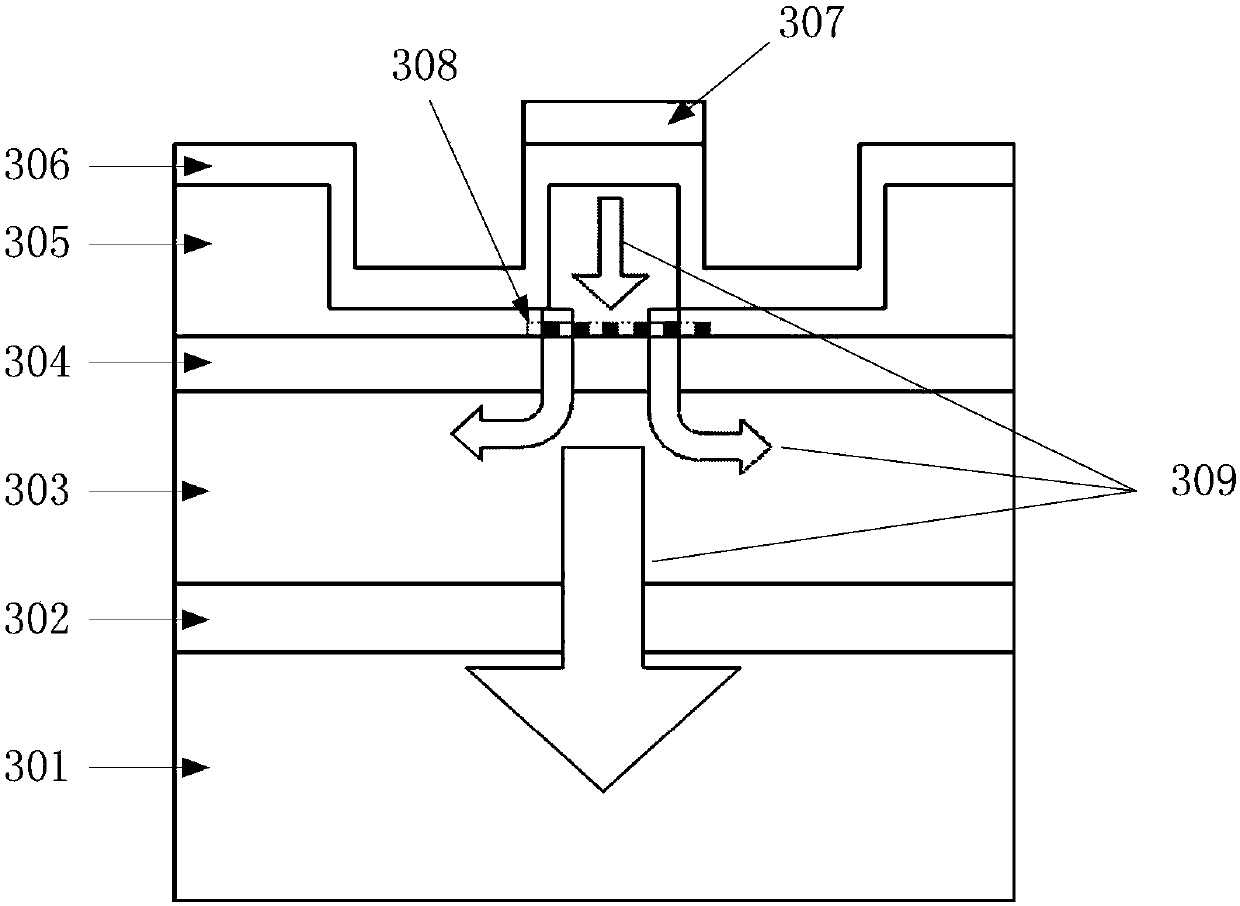
[0055] Embodiments of the present application provide a reflection device and a tunable laser, which are used to reduce heat loss during thermal tuning, ensure uniform temperature distribution of the reflection device during thermal tuning, and improve thermal tuning efficiency.
[0056] In order to enable those skilled in the art to better understand the solutions of the present application, the following will describe the embodiments of the present application with reference to the drawings in the embodiments of the present application.
[0057] The "first" or "second" mentioned in the present application documents are used to distinguish similar objects, and not necessarily used to describe a specific sequence or sequence. In addition, "comprising" or "having" and any variations thereof mentioned in the application documents are intended to cover non-exclusive inclusion, for example, a process, method, system, product or device comprising a series of steps or units is not ne...
PUM
 Login to View More
 Abstract
Description
Claims
Application Information
 Login to View More