Wireless charging receiving device, wireless charging control method and wireless charging system

A wireless charging and receiving device technology, which is applied in the direction of circuit devices, charging stations, electric vehicle charging technology, etc., can solve the problems of insufficient matching between vehicle and infrastructure performance, and achieve the effect of improving functions and performance and good efficiency indicators

CN110979042APending Publication Date: 2020-04-10ZTEV
13 Cites 6 Cited by

Patent Information

Authority / Receiving Office
CN · China
Current Assignee / Owner
Publication Date
2020-04-10

Smart Images

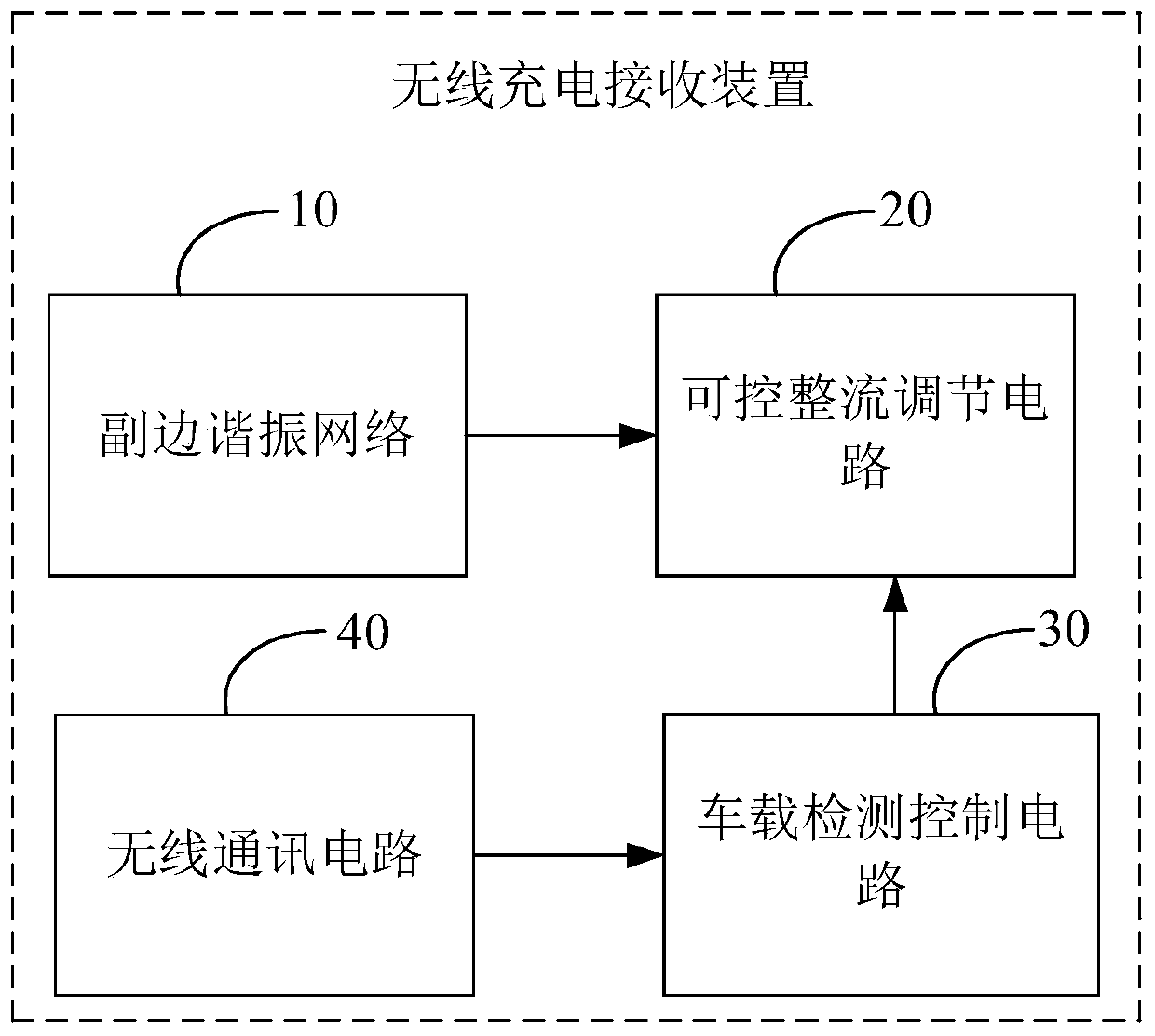
  • Figure 1
    Figure 1
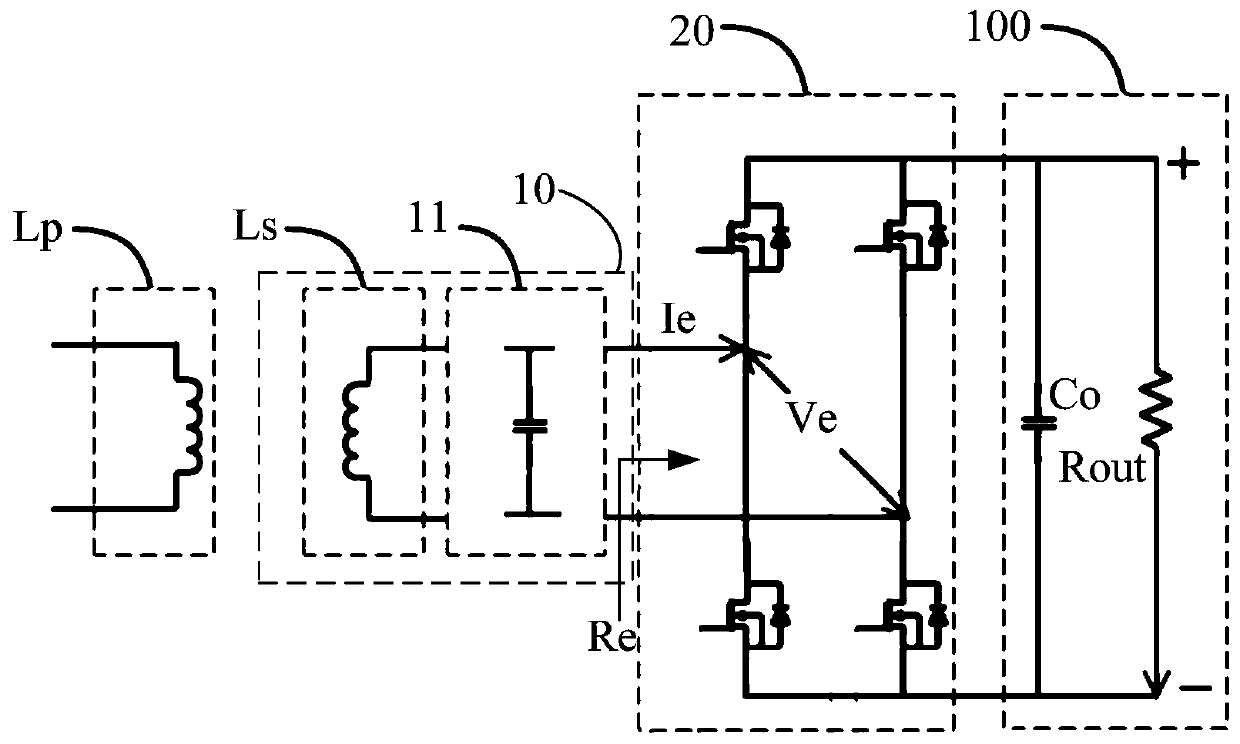
  • Figure 2
    Figure 2
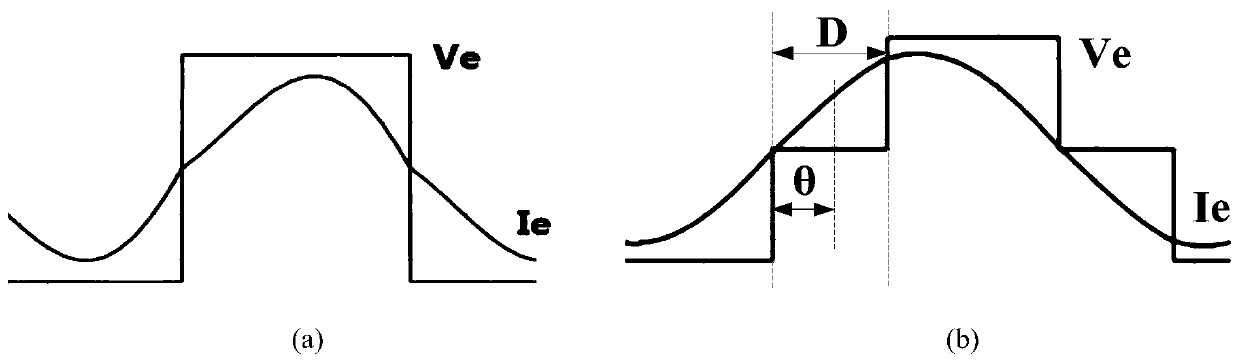
  • Figure 3
    Figure 3
Patent Text Reader

Abstract

The invention discloses a wireless charging receiving device, a wireless charging control method and a wireless charging system. The wireless charging receiving device comprises a secondary side resonance network which is coupled to a primary side resonance network of an external wireless charging transmitting device and transmits the AC electric energy transmitted through the coupling of the primary side resonance network, a controllable rectification adjusting circuit which is connected with the secondary side resonance network and converts the alternating current output by the secondary side resonance network into direct current, and a vehicle-mounted detection control circuit which is connected with the controlled end of the controllable rectification adjusting circuit, detects the working parameters of the vehicle-mounted side of the electric vehicle wireless charging system, and adjusts the working parameters of the controllable rectification adjusting circuit according to the detected working parameters of the vehicle-mounted side of the electric vehicle wireless charging system or according to the working parameters of the primary side. Resonance matching of the resonance network of the wireless charging receiving device can be realized, and the problem that the resonance network is in a non-resonance matching state and affects the working characteristics of the systemis solved.
Need to check novelty before this filing date? Find Prior Art

Description

technical field

[0001] The present invention relates to the technical field of wireless charging, in particular to a wireless charging receiving device, a wireless charging control method and a wireless charging system. Background technique

[0002] With the development of new energy sources, more and more cars are starting to use electric or gasoline-electric hybrids. When charging electric vehicles, the principle of electromagnetic induction can be used to sample wireless charging.

[0003] In practical applications, the ground clearance of the vehicle chassis will vary with factors such as load and tire pressure, resulting in an insufficient match between the performance of the vehicle and the infrastructure. Contents of the invention

[0004] The main purpose of the present invention is to propose a wireless charging receiving device and a wireless charging control method for a wireless charging system, aiming to achieve performance matching of the wireless charging sy...

Examples

Embodiment Construction

[0037] The following will clearly and completely describe the technical solutions in the embodiments of the present invention with reference to the accompanying drawings in the embodiments of the present invention. Obviously, the described embodiments are only part of the embodiments of the present invention, not all of them. Based on the embodiments of the present invention, all other embodiments obtained by persons of ordinary skill in the art without creative efforts fall within the protection scope of the present invention.

[0038] It should be noted that if there is a directional indication (such as up, down, left, right, front, back...) in the embodiment of the present invention, the directional indication is only used to explain the position in a certain posture (as shown in the accompanying drawing). If the specific posture changes, the directional indication will also change accordingly.

[0039] In addition, if there are descriptions involving "first", "second" and ...