Cast-in-place pile static test karst cave recognition system and method based on distributed optical fibers

A distributed optical fiber, static load test technology, applied in the field of infrastructure, can solve the problem of very little research on karst caves

CN111794294APending Publication Date: 2020-10-20中铁二十二局集团市政工程有限公司
0 Cites 2 Cited by

Patent Information

Authority / Receiving Office
CN · China
Patent Type
Applications(China)
Current Assignee / Owner
Publication Date
2020-10-20

Smart Images

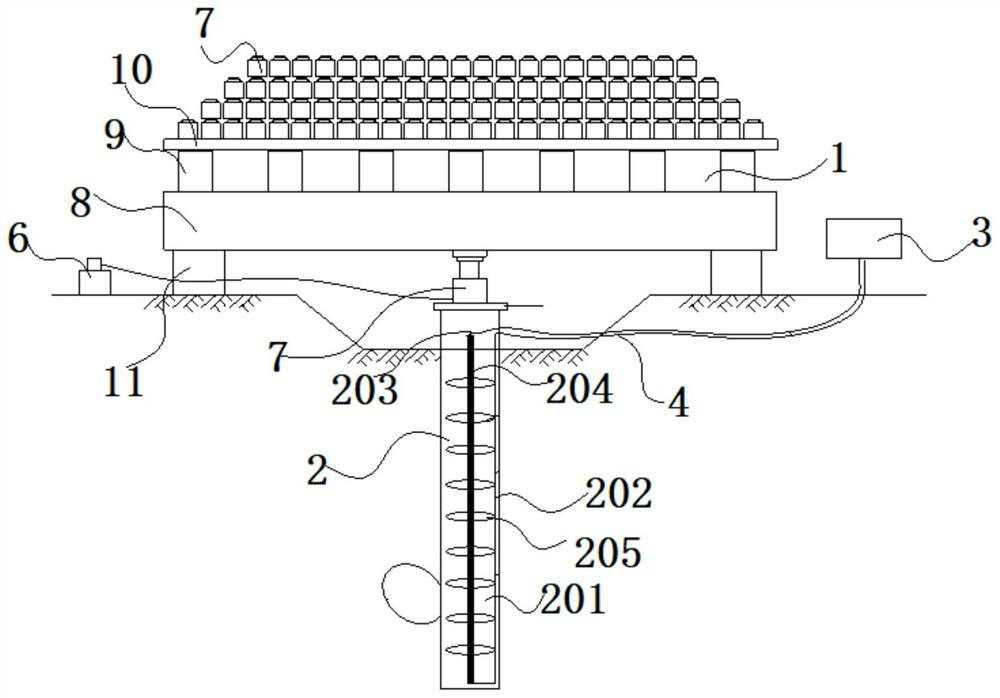
  • Figure 1
    Figure 1
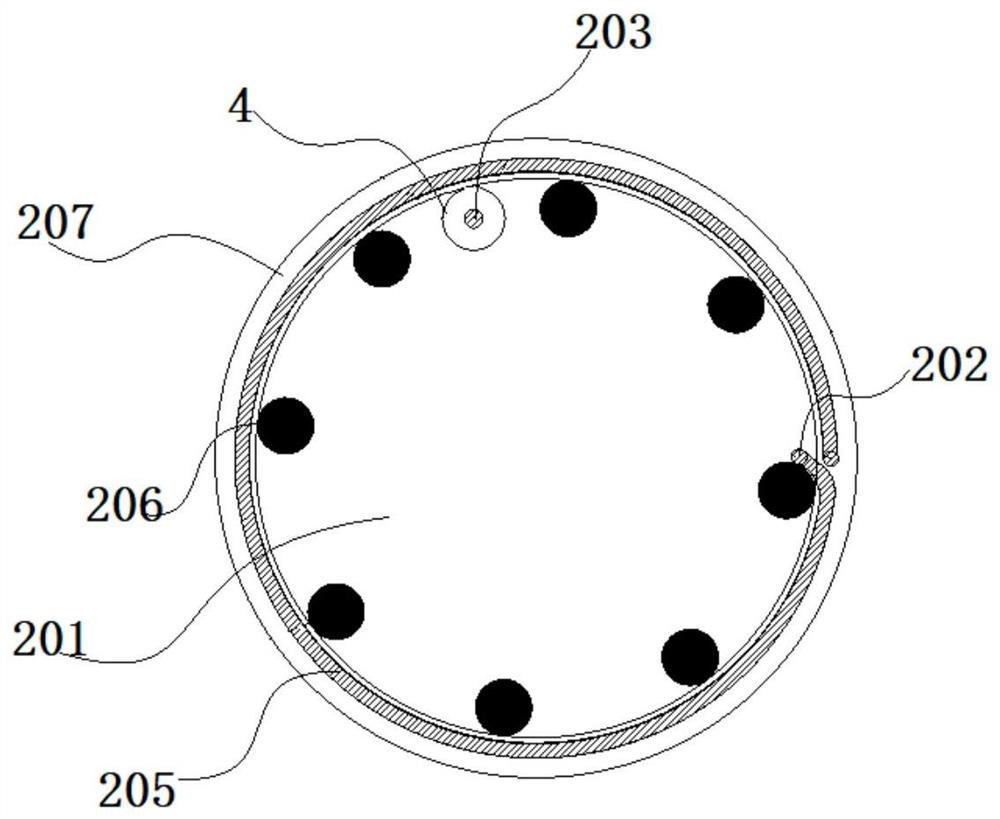
  • Figure 2
    Figure 2
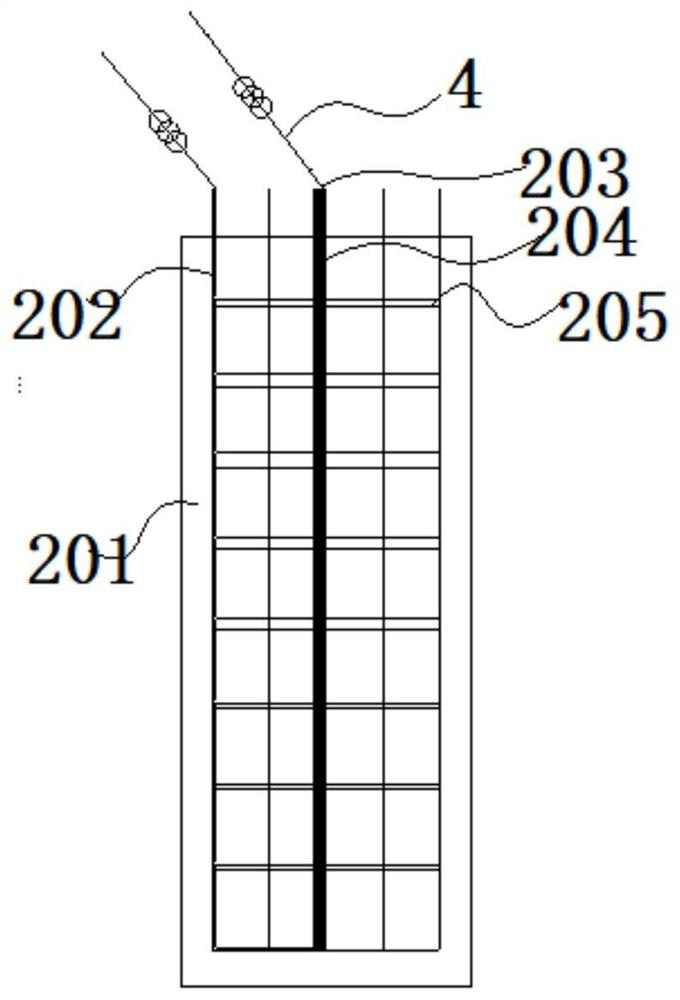
  • Figure 3
    Figure 3
Patent Text Reader

Abstract

The invention discloses a cast-in-place pile static test karst cave recognition system based on distributed optical fibers. A load module is mounted on the top of a cast-in-place pile, and the cast-in-place pile is mounted in a pit of the ground in an embedded manner. An axial optical fiber and a compensation optical fiber are pre-buried in a pile body in an embedded manner, and the axial opticalfiber and the compensation optical fiber are connected to a data collecting module through an optical fiber lead-out wire. A jack is mounted on the top of the pile body, a load control instrument is electrically connected with the jack, a main beam is arranged on the top of the jack, a secondary beam and a bearing plate are mounted on the main beam, a heavy object is put on the bearing plate, andmultiple piers are further arranged on the two sides of the main beam. The system can recognize the positions of karst caves near a pile foundation in a karst region, and karst cave grouting is precisely positioned; and by means of the method, the shapes and the sizes of the karst caves near the foundation pie in the karst region can be recognized, and then the grouting amount in the treatment process of the karst caves can be determined.
Need to check novelty before this filing date? Find Prior Art

Description

technical field

[0001] The invention relates to the field of infrastructure construction, in particular to a system and method for identifying karst caves in static load tests of cast-in-place piles based on distributed optical fibers. Background technique

[0002] Existing karst is widely distributed in my country and is one of the common engineering geological disasters. With more and more construction projects in karst areas, a large number of high-rise buildings, bridges and other structures have been built in karst areas. Drilled (punched) bored piles are widely used in karst areas because of their strong site adaptability and high bearing capacity. However, drilling (punching) holes in cast-in-place pile construction in unproven karst areas where the piles have well-developed karst caves is very prone to karst cave grout leakage. If not handled properly, it will cause hole collapse, ground subsidence, buried drilling, and cracks in surrounding buildings and other ser...

Examples

Embodiment Construction

[0038] The present invention will be described in further detail below in conjunction with the accompanying drawings and specific embodiments.

[0039] Such as Figure 1-4 As shown, the specific embodiment of the present invention is a static load test cave identification system for cast-in-place piles based on distributed optical fibers, including cast-in-place piles 2 and load modules 1, and load modules 1 are installed on the top of the cast-in-place piles 2. The pile 2 is embedded in a deep pit on the ground;

[0040] The cast-in-place pile 2 is provided with a pile body 201, an axial optical fiber 202, and a compensating optical fiber 203. The axial optical fiber 202 and the compensating optical fiber 203 are embedded in the pile body 201, and the axial optical fiber 202 and the compensating optical fiber 203 is connected to the data collection module 3 through the optical fiber outlet line 4;

[0041] The load module 1 includes a jack 5, a load controller 6, and a weig...