Longitudinal-profiled (LP) high-strength ship plate and production method

A technology of longitudinally variable thickness and production methods, applied in the direction of manufacturing tools, metal rolling, workpiece cooling devices, etc., can solve the problems of poor uniformity of mechanical properties of steel plates, high production costs, high alloying elements, etc., and achieve excellent mechanical properties and mechanical properties good uniformity
CN112126853AActive Publication Date: 2020-12-25ANGANG STEEL CO LTD

Patent Information

Authority / Receiving Office
CN Β· China
Patent Type
Applications(China)
Current Assignee / Owner
ANGANG STEEL CO LTD
Publication Date
2020-12-25

Smart Images

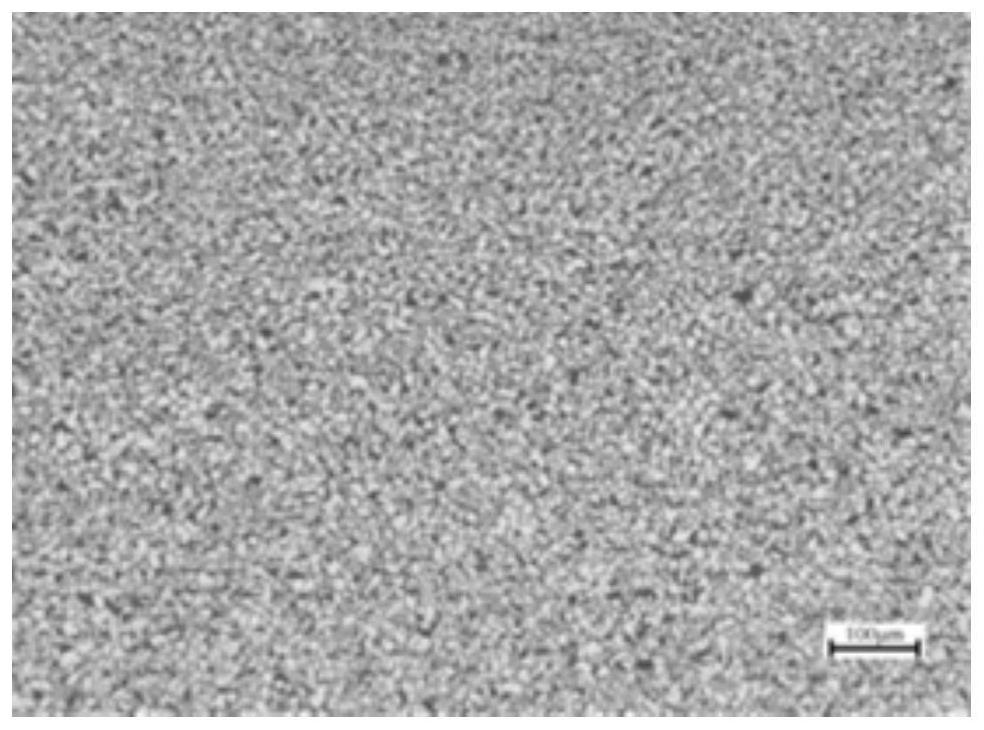
  • Figure 1
    Figure 1
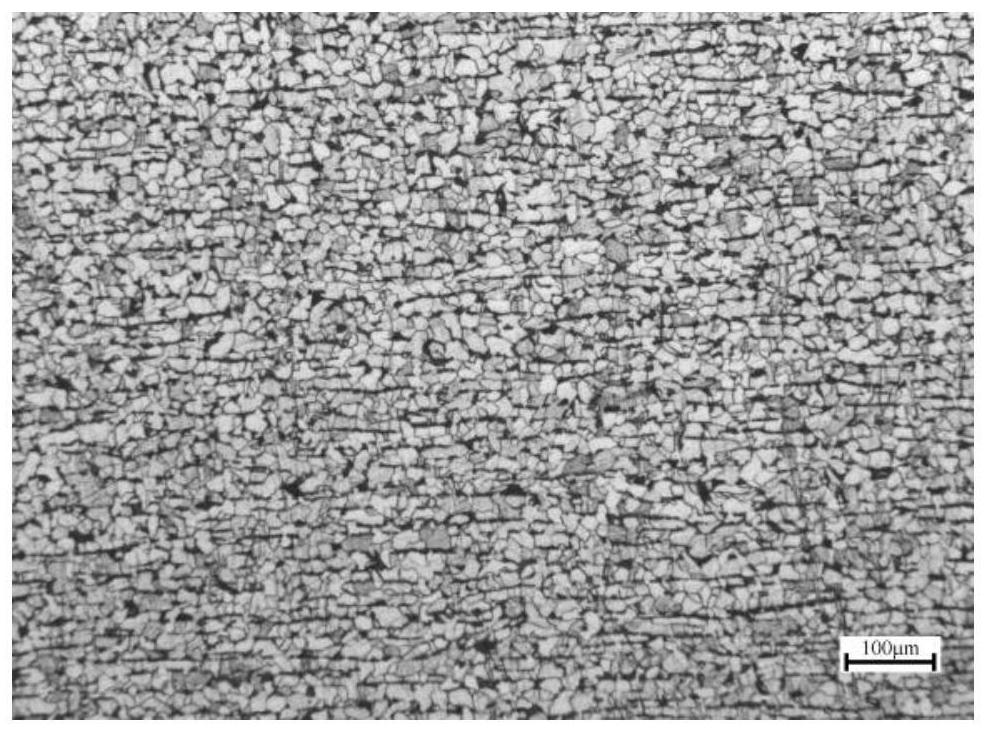
  • Figure 2
    Figure 2
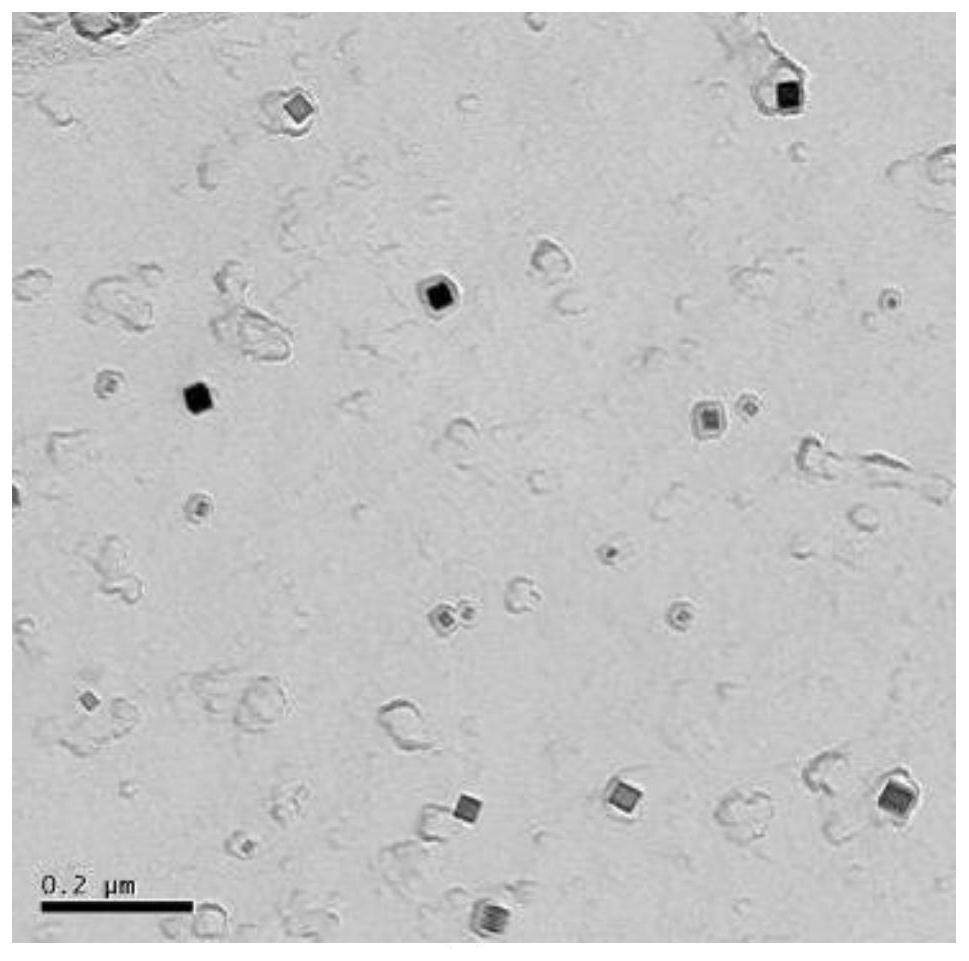
  • Figure 3
    Figure 3
Patent Text Reader

Abstract

The invention discloses a longitudinal-profiled (LP) high-strength ship plate and a production method. A steel plate comprises the following chemical components in percentage by mass: 0.140 percent to0.180 percent of C, 0.20 percent to 0.40 percent of Si, 1.00 percent to 1.40 percent of Mn, 0.030 percent to 0.070 percent of V, 0.003 percent to 0.018 percent of Ti, 0.0100 percent to 0.0150 percentof N, less than or equal to 0.010 percent of P, less than or equal to 0.005 percent of S and 0.015 percent to 0.030 percent of Als. The method comprises the following steps: performing nitrogen blowing treatment on molten steel in a converter or a RH refining furnace; heating casting billets to 1100 DEG C to 1250 DEG C and keeping the temperature for 0.5 hour to 5.0 hours; setting a initial rolling temperature to be between 1050 DEG C and 1130 DEG C, and rolling the casting billets to ensure that the thickness of the casting billets is 2.0 times to 3.0 times of the maximum thickness of a final LP steel plate; performing rolling when the temperature of intermediate billets is at 880 DEG C to 920 DEG C, and performing rolling to ensure that the thickness of the intermediate billets is 1.5 times to 2.0 times of the maximum thickness of the final LP steel plate; controlling the final rolling temperature of the steel plate to reach 800 DEG C to 850 DEG C by adopting a profiling rolling way; and performing air-cooling on the steel plate until room temperature is reached so as to obtain the final LP steel plate. According to the longitudinal-profiled (LP) high-strength ship plate and theproduction method disclosed by the invention, the steel plate is high in uniformity of mechanical property in the length direction, and the intensity difference between a thick position and a thin position is in the range of 15MPa, and thus, the toughness and the plasticity are consistent, and therefore, the steel plate is applied to any shapes of LP high-strength ship plates.
Need to check novelty before this filing date? Find Prior Art

Description

Technical field

[0001] The invention belongs to the technical field of metal material production, and particularly relates to a longitudinal variable thickness high-strength ship plate and a production method thereof.Background technique

[0002] Longitudinal variable thickness (LP) steel plate is a steel plate whose thickness changes along the length direction. During the rolling process, the longitudinal thickness of the roll is changed by continuously changing the opening of the roll. According to the different thickness changes, it can be divided into 10 different shapes . Because the thickness of LP steel plate can be changed according to the load, it has unique advantages in optimizing the design of structural sections such as the hull. The application of LP steel plate can not only reduce the amount of steel and the number of welding, but also can pass through the joints. The equal thickness of LP improves its operability, such as omission of backing plates and taper processing. In...

Claims

the structure of the environmentally friendly knitted fabric provided by the present invention; figure 2 Flow chart of the yarn wrapping machine for environmentally friendly knitted fabrics and storage devices; image 3 Is the parameter map of the yarn covering machine
Login to View More