
Fatigue driving detection method based on multi-modal information fusion
A fatigue driving and detection method technology, applied in the detection field, can solve the problems of incomplete driver fatigue state, poor robustness and stability, complicated preprocessing operation, etc., achieve good robustness and stability, improve accuracy, Characterize the full effect
- Summary
- Abstract
- Description
- Claims
- Application Information
AI Technical Summary
Problems solved by technology
Method used
Image

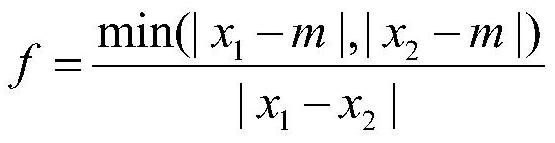
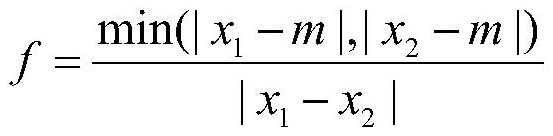
Examples
Embodiment Construction
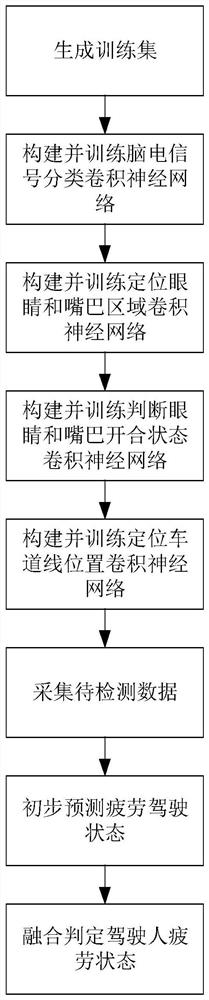
[0056] Attached below figure 1 The specific steps for realizing the present invention are further described.
[0057] Step 1, generate a training set.
[0058] A set of data is composed of the EEG signals, facial images, and images of the motor vehicle track where the driver is in a fatigue state or non-fatigue state collected synchronously each time, and at least 200 groups are collected; the EEG signal sampling frequency is 256Hz, and each The data collection time of the group is 2 minutes, and 10 images of the driver's face and 20 images of the motor vehicle track where the vehicle is located are collected per second.
[0059] Extract the EEG signals, facial images, and vehicle track images from each set of data to form the EEG signal training set, facial image training set, and vehicle track image training set. For each face image training set, The locations of the eyes and mouth regions in the image are annotated.
[0060] Step 2, construct and train a convolutional ne...
PUM
 Login to View More
 Abstract
Description
Claims
Application Information
 Login to View More