Method and apparatus for trephinating body vessels and hollow organ walls

a hollow organ wall and body vessel technology, applied in the field of surgical instruments and devices, can solve problems such as dragging cuts

US20050154411A1Inactive Publication Date: 2005-07-14BREZNOCK EUGENE M +1
28 Cites 70 Cited by

Patent Information

Authority / Receiving Office
US · United States
Current Assignee / Owner
Publication Date
2005-07-14
Estimated Expiration
Not applicable · inactive patent

Smart Images

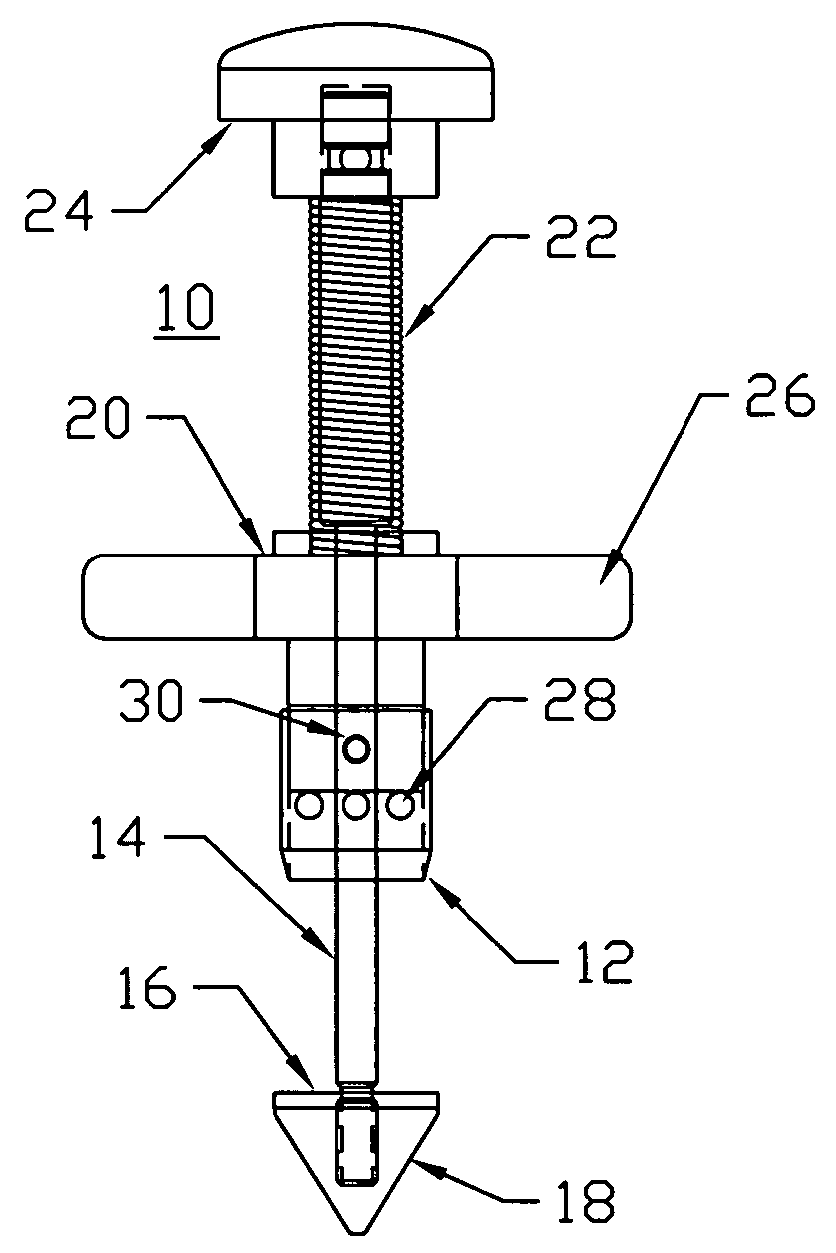
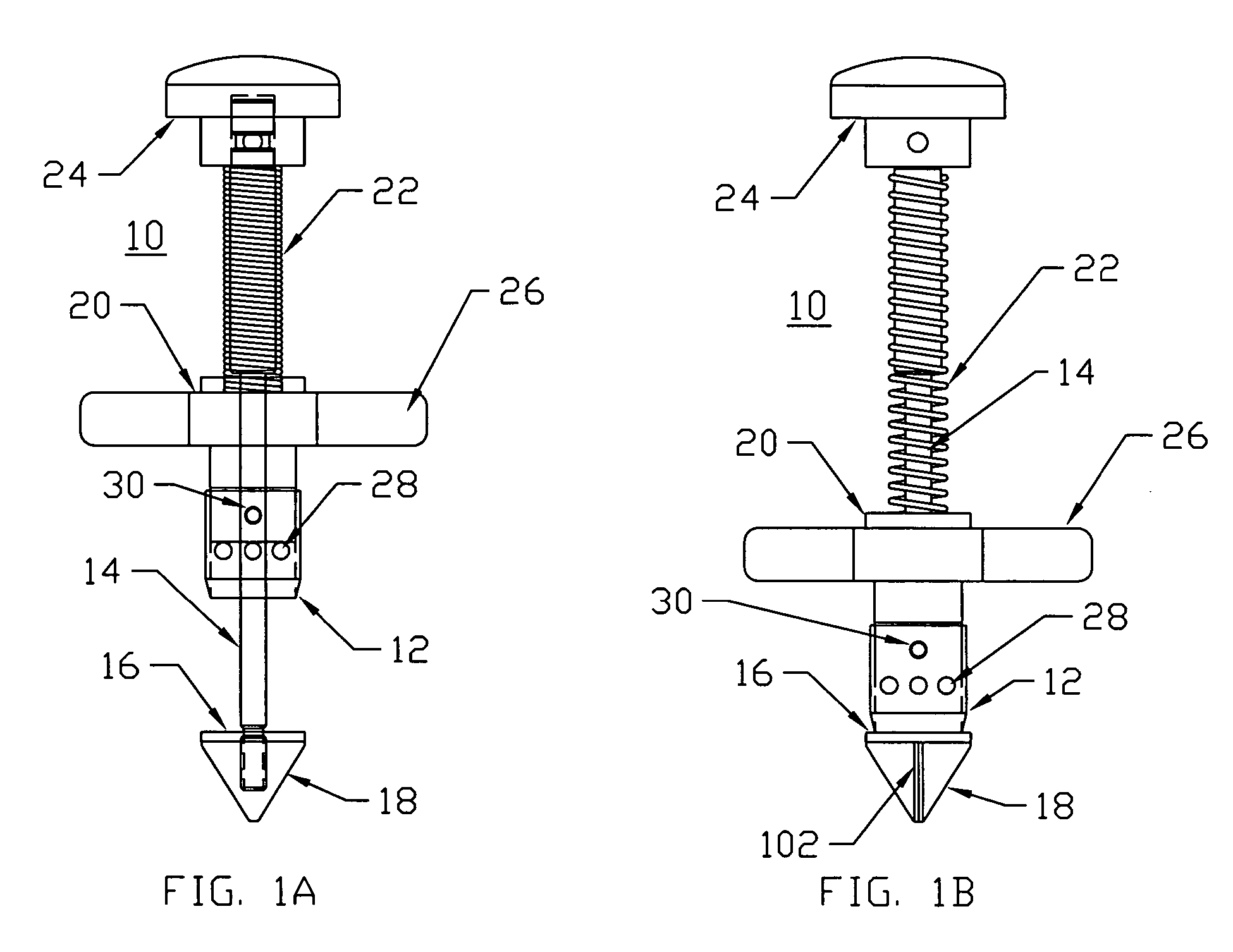
  • Figure 1
    Figure 1
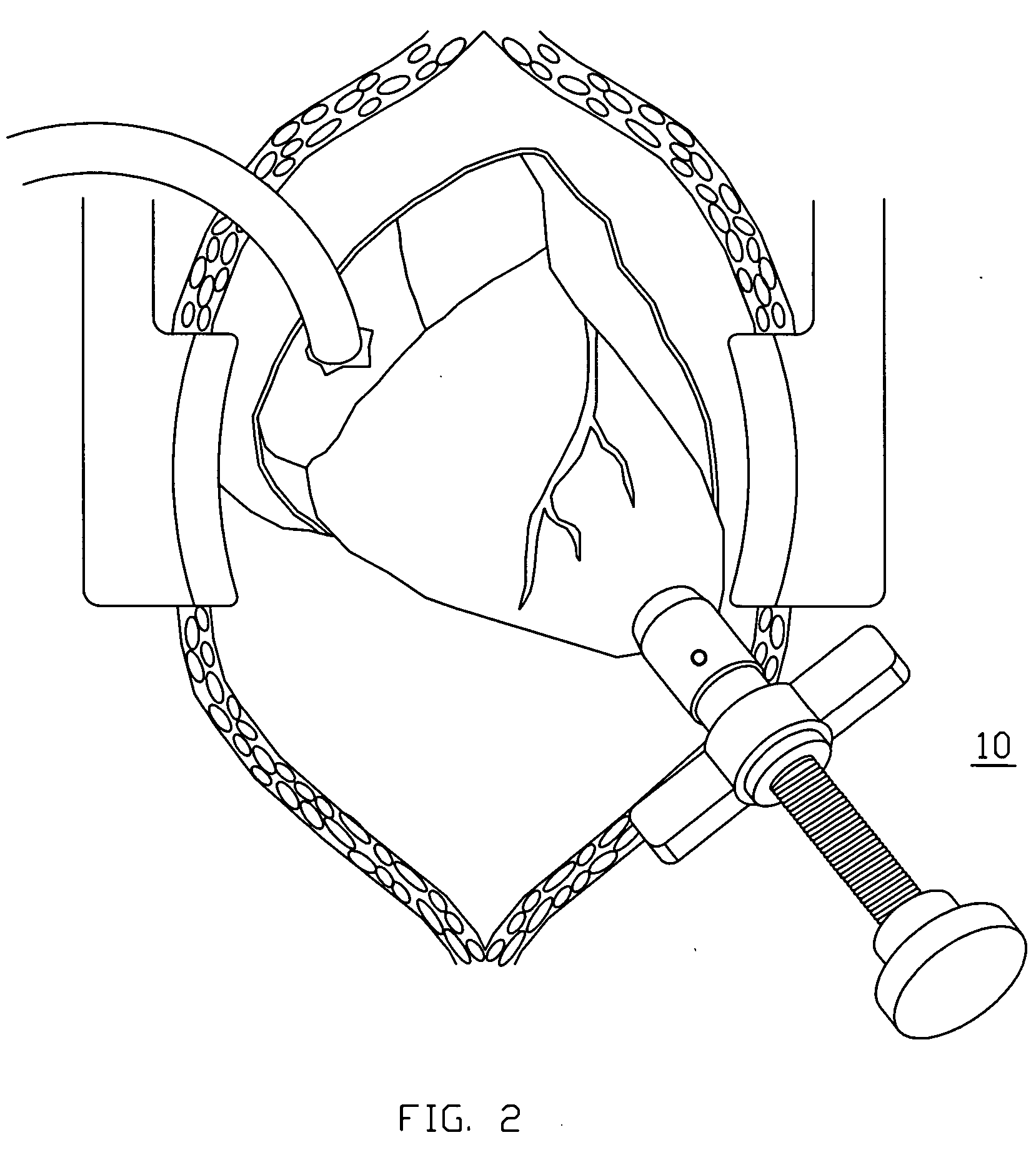
  • Figure 2
    Figure 2
  • Figure 3
    Figure 3
Patent Text Reader

Abstract

A system is disclosed for creating a hole in a body vessel or hollow organ. Such holes are useful in surgically preparing the hollow organ or body vessel for connection with another hollow organ, body vessel or prosthetic conduit. For example, an assist device is generally connected to the left ventricle through a ventriculotomy created at the apex of the left ventricle. This ventriculotomy is most easily created with a punch or trephine. Control over such a procedure must be precise so as not to damage the ventricular wall or intracardiac structures such as papillary muscles, chordae tendinae, etc. The punch of the current invention allows for precise location and alignment of the cutting segment. The punch of the current invention also allows for precise advance of the cutting blade and a very clean cut of the tissue. Such clean cuts improve the healing when the hole in the body vessel or hollow organ is closed or attached to a connection, either prosthetic or natural.
Need to check novelty before this filing date? Find Prior Art

Description

PRIORITY INFORMATION

[0001] This application is a continuation-in-part of U.S. patent application Ser. No. 09 / 938,428, filed Aug. 23, 2001, now U.S. Pat. No. 6,863,677.FIELD OF THE INVENTION

[0002] The field of this invention is related to instrumentation and devices for surgery and especially, interventional, cardiovascular, general or peripheral vascular surgery. BACKGROUND OF THE INVENTION

[0003] During surgical procedures such as placement of a ventricular assist device, blood vessel anastomosis, aortotomy, gastrotomy, enterotomy, or access to other hollow organs and vessels, it is useful to have a specialized tool to create a circular opening or fenestration in the wall of the vessel or organ. Punches have been developed for use in surgery that create such fenestrations. Examples of the prior art include U.S. Pat. No. 3,776,237 to Hill, U.S. Pat. No. 3,949,747 to Hevesy, U.S. Pat. No. 4,018,228 to Goosen, U.S. Pat. No. 4,122,855 to Tezel, U.S. Pat. No. 4,216,776 to Downie et al...

Examples

Embodiment Construction

[0026] The invention may be embodied in other specific forms without departing from its spirit or essential characteristics. The described embodiments are to be considered in all respects only as illustrative and not restrictive. The scope of the invention is therefore indicated by the appended claims rather than the foregoing description. All changes that come within the meaning and range of equivalency of the claims are to be embraced within their scope.

[0027] The invention, which is generally termed a surgical instrument, can be described as being an axially elongate structure having a proximal end and a distal end. The axially elongate structure further has a longitudinal axis. As is commonly used in the art of medical devices, the proximal end of the device is that end that is closest to the user, typically a surgeon. The distal end of the device is that end closest to the patient or that is first inserted into the patient. A direction being described as being proximal to a ce...