[0025] Aspects of the present invention relate to multilayer plastic polymeric flexible packaging films having a desiccant material incorporated within a layer of the film. More specifically, aspects of the present invention relate to a polymeric flexible film having a desiccant material incorporated within a layer of the film that is utilized as a package for a product that may be sensitive to the presence of moisture, such as a
drug eluting medical
stent. In addition, aspects of the present invention relate to methods of manufacturing and using the polymeric film having a desiccant material incorporated therein and methods of packaging, storing and / or increasing the
shelf life and
efficacy of a medical
stent contained within a package comprised of the polymeric film.
[0026] It is, therefore, an
advantage of aspects of the present invention, to provide a polymeric
plastic packaging film having a desiccant material incorporated therein for packages that may contain moisture sensitive products. These products may be, for example, foodstuffs, medical devices, pharmaceutical and / or
nutraceutical products and / or other products that may suffer from the deleterious effects of moisture. Specifically, pharmaceutical and / or
nutraceutical products that are useful in healthcare may be packaged using a film having a desiccant material contained within a layer of the film to maintain the utility of the pharmaceutical or nutraceutical products. The desiccant material is utilized to control the moisture level within a package made by the film of the present invention.
[0027] In addition, it is an
advantage of aspects of the present invention to provide a film having a desiccant material incorporated therein that would eliminate the need to incorporate into high cost and marginally effective sachets or beads of desiccant material that can contaminate products contained within packages if the sachets accidentally release the desiccant material into the package. Moreover, sachets or beads are typically higher in cost and may be relatively unsightly. Further, they may take up space within a package that could otherwise be used for product. If the desiccant materials within the sachets or beads are ingested, it may become a
health hazard. By the present invention, the desiccant material is incorporated directly into the packaging film in a rigid
solid state in the packaging film substrate.
[0028] Moreover, it is an
advantage of aspects of the present invention to provide a film wherein the desiccant material is incorporated into the
sealant layer of the film and wherein the film is easily extruded. In addition, many different types of desiccant materials may be utilized, thereby allowing for particular
relative humidity levels within the packages.
[0029] Aspects of the present invention can further reduce packaging costs by allowing for the use of thinner and, therefore, less expensive barrier materials, such as
aluminum foil, in some embodiments. For example, many flexible foil packages made using films of the present invention can have barrier
layers having thicknesses that may be reduced by about 50% or more.
Moisture can enter a package through a film structure where two film structures are heat-sealed together. Aspects of the present invention reduce the
moisture absorption into the product by having the film absorb moisture entering the package at the end of the seal.
[0030] In addition, it is an advantage of aspects of the present invention to provide a film structure, and a package made therefrom, comprising a
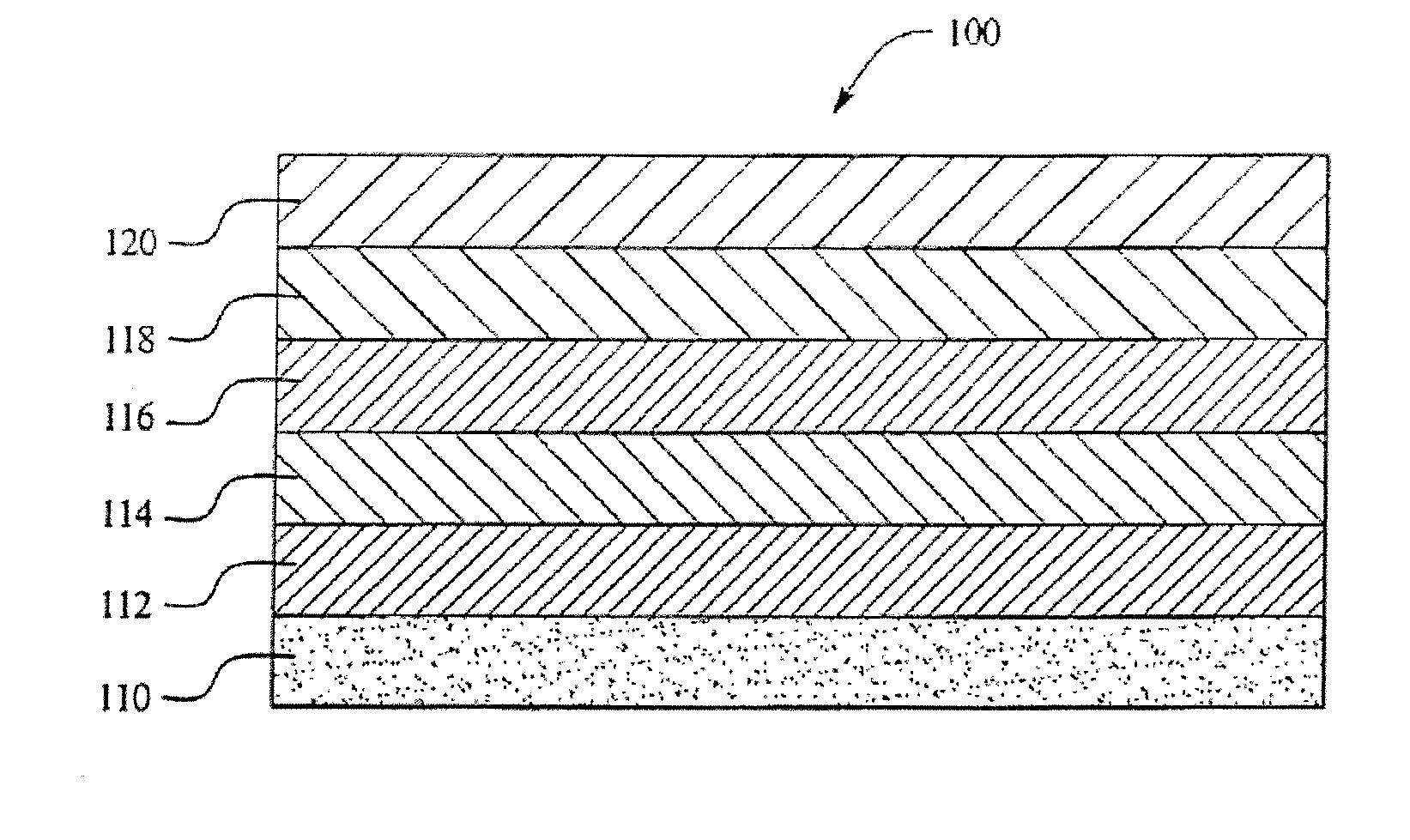
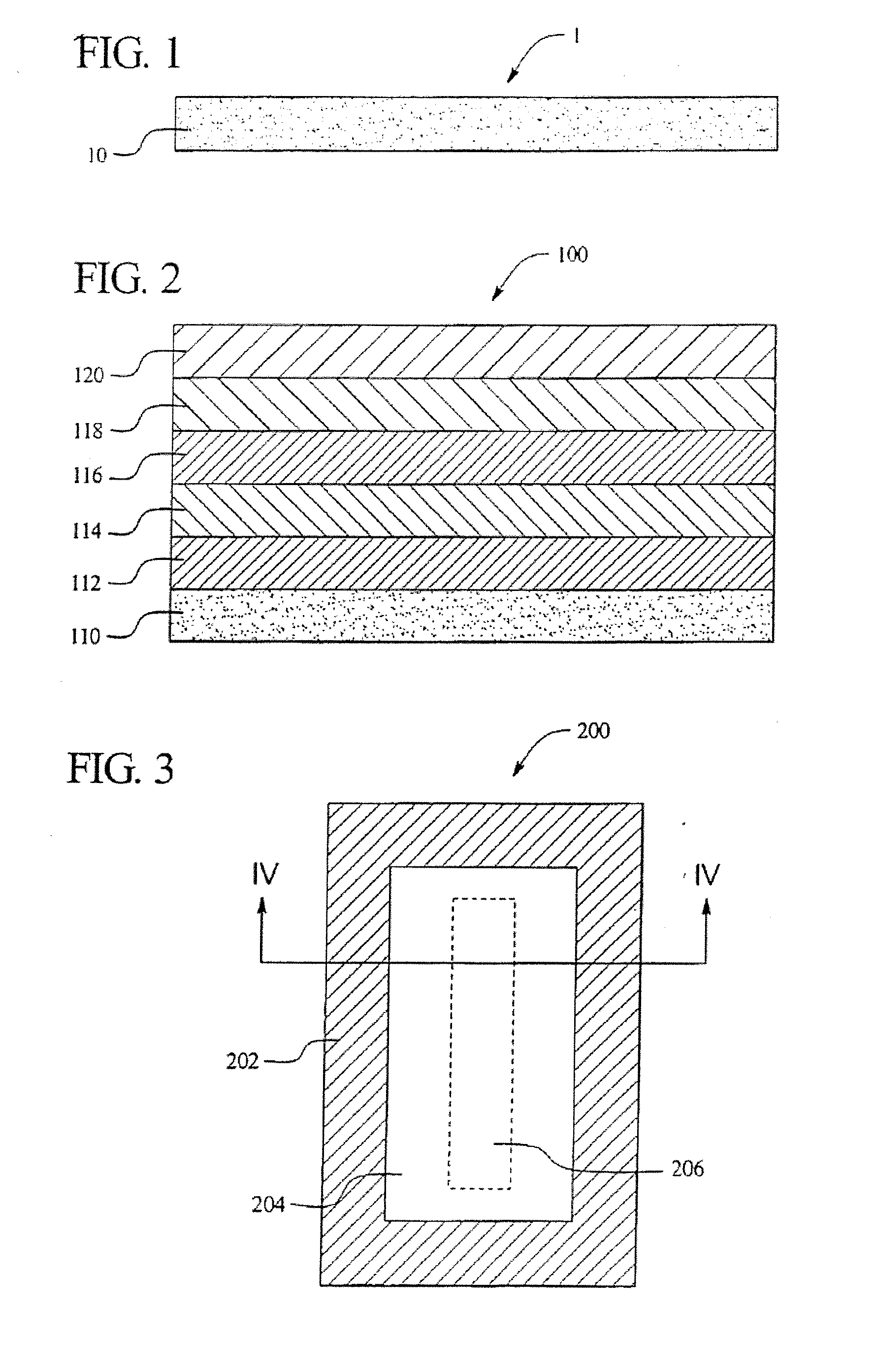
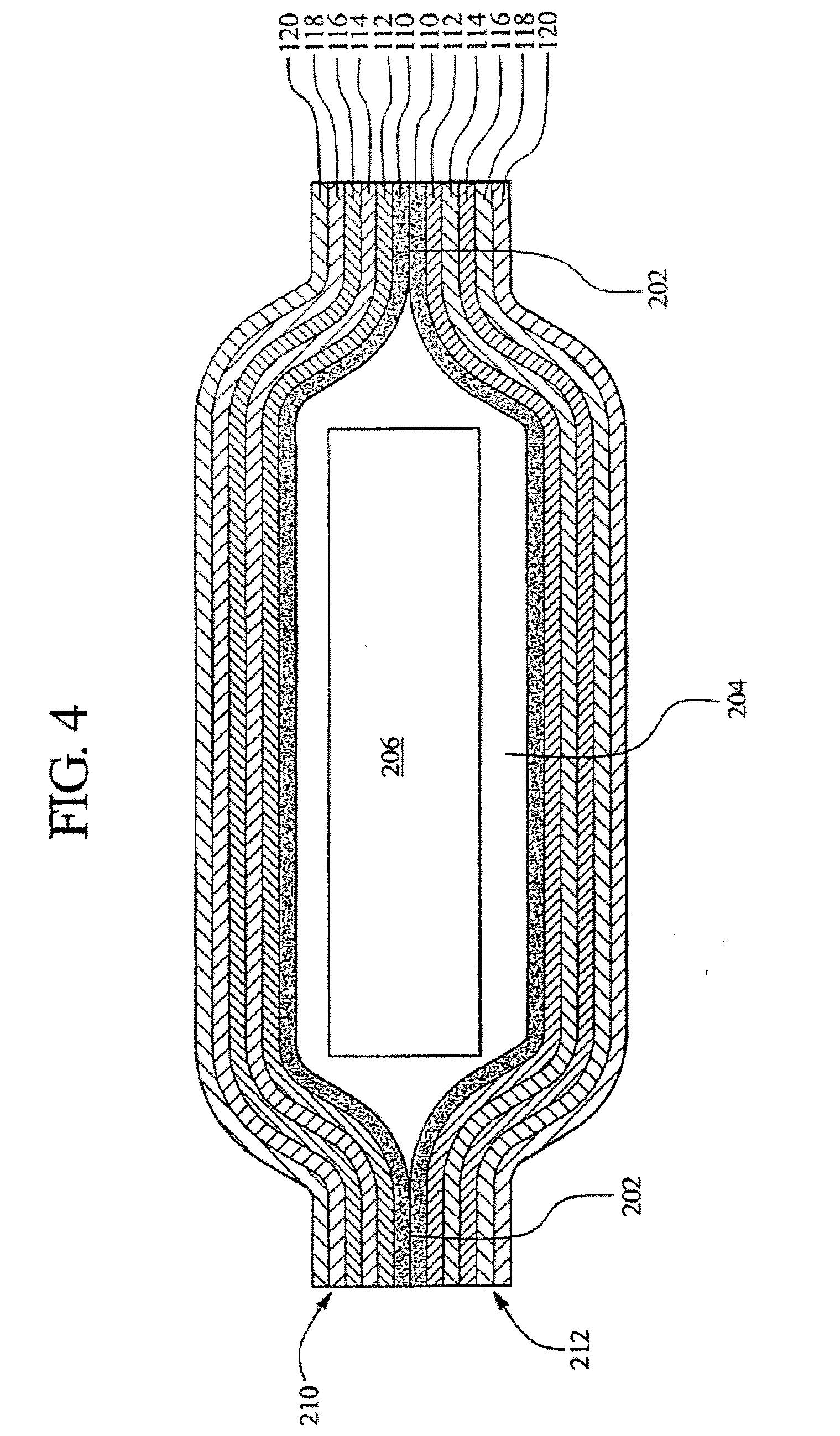
sealant film having a desiccant material and a peelable seal material that allows the film structure to be easily peeled from another film structure when the film structure is heat sealed to the other film structure. This allows moisture-sensitive products to be contained within a package and be protected from moisture while being easily openable. In addition, aspects of certain embodiments of the materials described herein can add the capacity for a moisture sensitive product to survive ETO (
ethylene oxide gas) sterilization. ETO sterilization can require medical devices to be exposed for considerable periods of time, (for example, 24 hours), to vacuum,
high humidity levels (for example approximately 90%
relative humidity), and high temperatures (for example about 120° F.), which can be contrary to the normal operating parameters of a desiccant. Aspects of certain embodiments can provide a means to survive these abuse conditions and still maintain survivable moisture
scavenging capability and capacity to protect the
medical device. Aspects of certain embodiments can utilize a multilayer desiccant package including a layer of barrier material that creates a time-delayed effect and postpones the activation of the moisture
scavenger. Aspects of certain embodiments can provide available desiccant in the package
layers following the ETO sterilization cycle. This can allow for moisture
scavenging to keep occurring and therefore assist in extending the
shelf life of current medical devices such as
drug eluting stents that presently may be damaged by excessive moisture left over in the package after ETO sterilization.



 Login to View More