High-gradient high-intensity magnetic field magnetic suspension characteristic test technology

A high-gradient magnetic field and characteristic testing technology, applied in the field of magnetic levitation, can solve the problems of single test content, less research on AC loss, complex structure, etc., to achieve the effect of convenient operation, avoiding single test content and simple structure

CN105300567AInactive Publication Date: 2016-02-03SOUTHWEST JIAOTONG UNIV
6 Cites 5 Cited by

Patent Information

Authority / Receiving Office
CN · China
Current Assignee / Owner
Publication Date
2016-02-03
Estimated Expiration
Not applicable · inactive patent

Smart Images

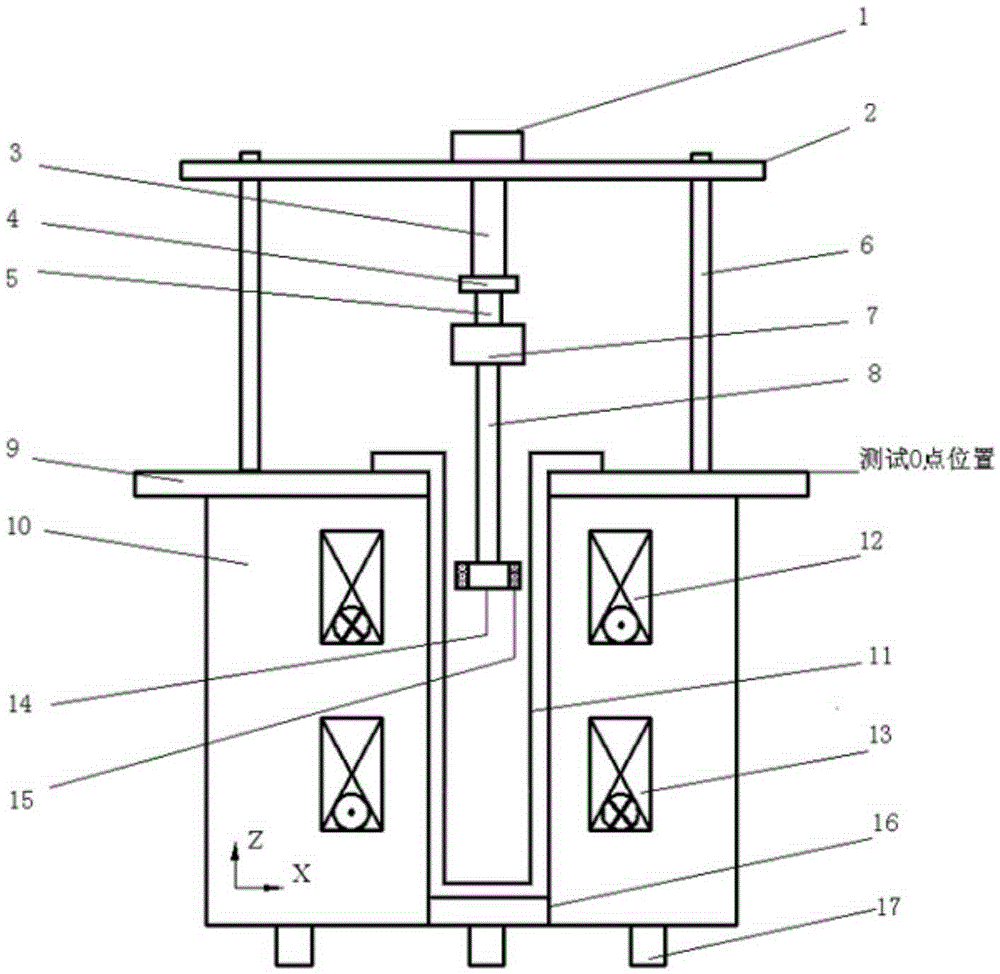
  • Figure 1
    Figure 1
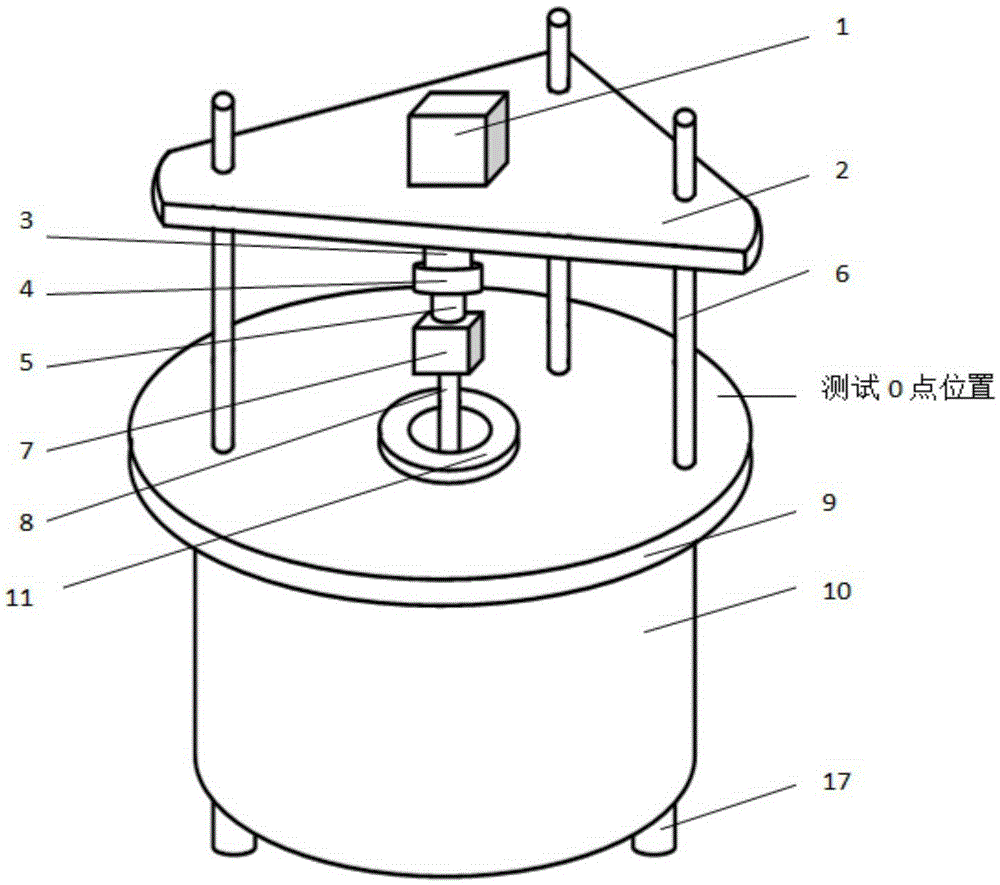
  • Figure 2
    Figure 2
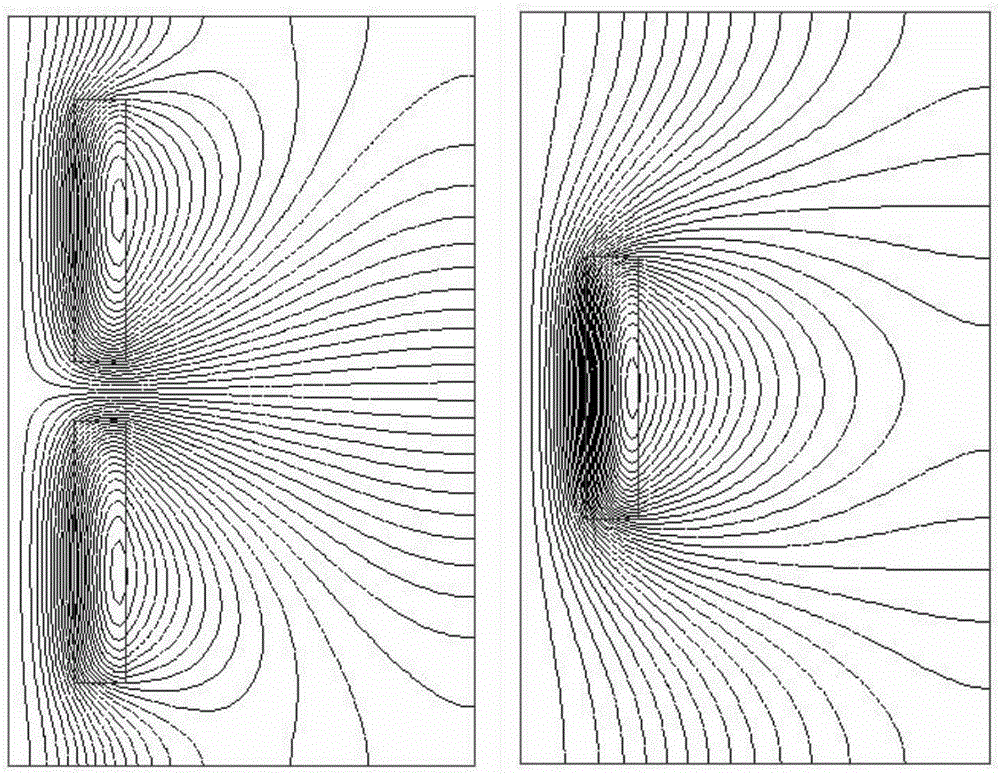
  • Figure 3
    Figure 3
Patent Text Reader

Abstract

The invention discloses a high-gradient high-intensity magnetic field magnetic suspension characteristic test technology. A test platform is provided for suspension characteristics in multiple aspects of a high-gradient high-intensity magnetic field to a superconducting block. A test device is mainly composed of an external magnetic field formed by a superconducting magnet (10) and a test support arranged above the superconducting magnet. The superconducting magnet (10) is internally provided with a coaxial superconducting magnet excitation coil A (12) and a superconducting magnet excitation coil B (13) which are completely identical in structure. When excitation currents with different sizes and directions are piped in the two superconducting excitation coils, a low-intensity magnetic field, a high-intensity magnetic field and magnetic field configurations of which gradient and intensity are variable are generated. Suspension force and suspension force relaxation tests of the high-temperature superconducting block material in the high-gradient magnetic field, the high-intensity magnetic field and the variable magnetic fields can be realized on the same device, and AC loss of the high-temperature superconducting block under AC magnetic disturbance can be tested so that the structure is relatively simple and operation is convenient, and the defects in the certain existing technologies that the test content is single, the structure is complex and operation is complicated can be avoided.
Need to check novelty before this filing date? Find Prior Art

Description

technical field

[0001] The invention relates to the field of magnetic levitation, in particular to a high-gradient strong magnetic field magnetic levitation characteristic testing device. Background technique

[0002] The unique zero-resistance, Meissner effect and flux pinning characteristics of high-temperature superconducting bulk materials enable it to achieve self-stable levitation in an external magnetic field without energy input. Therefore, high-temperature superconducting bulk materials are widely used in flywheel energy storage, aerospace booster launch and maglev vehicle systems, etc. The levitation characteristics of the high-temperature superconducting maglev system are not only related to the magnetic flux pinning characteristics of the high-temperature superconducting material, but also depend on the strength and distribution of the external magnetic field. Under the existing preparation technology conditions, the pinning performance of high-temperature super...

Examples

Embodiment Construction

[0020] The present invention is described in detail below in conjunction with accompanying drawing:

[0021] The present invention provides a high-gradient strong magnetic field maglev characteristic test device here, which can effectively test the levitation characteristics of the system in high-gradient magnetic fields, strong magnetic fields and changing magnetic fields, and the AC loss under AC magnetic disturbance; figure 1 As shown: the test device of the present invention includes a test bracket composed of a top plate 2 and a support rod 6, and the bracket is fixedly connected with the upper flange 9 of the superconducting magnet to form a fixed bracket for testing the suspension characteristics of the superconducting block ;Such as figure 1 The top plate 2 of the fixed bracket shown is a triangular stainless steel plate, and the support rods 6 are three mutually parallel and arranged between the top plate and the upper flange 9 of the superconducting magnet. There is ...