

Constrained damping layer structure vibration calculation method
A technology of constrained damping and calculation methods, applied in calculation, computer aided design, design optimization/simulation, etc., can solve problems such as wide frequency range of vibration and noise, complex structure, and inability to reflect changes in structural vibration and noise, and improve accuracy , the effect of improving computational efficiency
Patent Information
- Authority / Receiving Office
- CN · China
- Current Assignee / Owner
- Publication Date
- 2017-11-21
- Estimated Expiration
- Not applicable · inactive patent
Smart Images
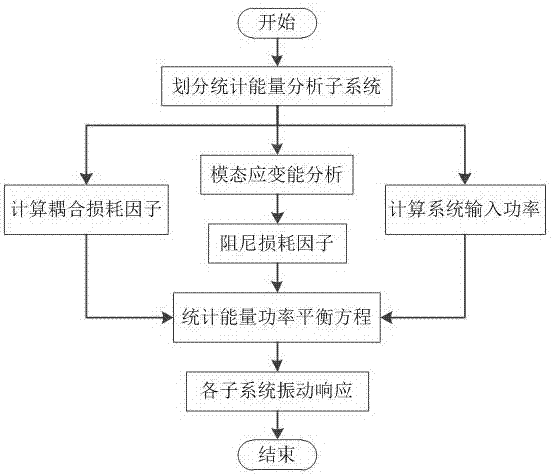
Figure 1 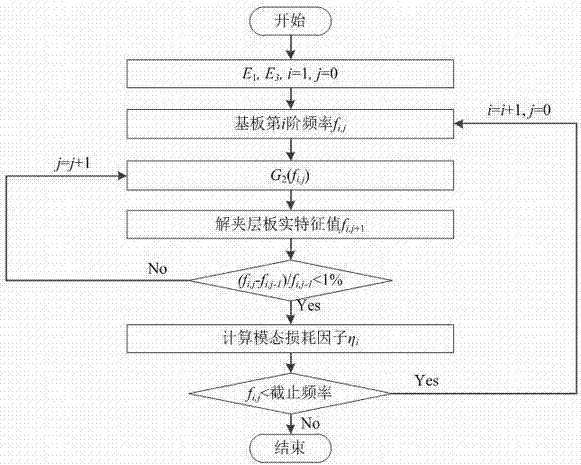
Figure 2 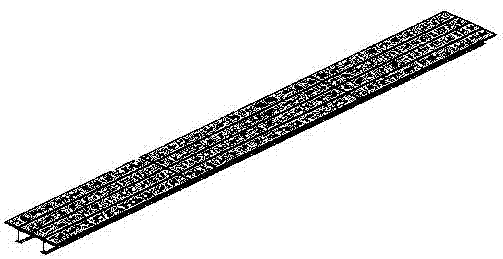
Figure 3
Abstract
Description
technical field
[0001] The invention belongs to the technical field of structural vibration control, and specifically relates to a new method for calculating structural vibration of constrained damping layers based on modal strain energy and statistical energy analysis principles, which can be applied to steel bridges or steel-concrete combined beam bridges for constrained damping layers. Theoretical calculation and optimal design of vibration and noise control of large structures. Background technique
[0002] Engineering structures vibrate under dynamic loads (wind, vehicles, pedestrians, etc.). Excessive vibration will not only affect the normal use of the structure, but also cause vibration and noise pollution to the surrounding environment. Under the same dynamic load, the vibration and noise generated by the steel structure are often 10-20dB higher than that of the concrete structure, which greatly limits the application of steel structures in practical engineering, e...
Examples
Embodiment Construction
[0031] The method for calculating the structural vibration of the constrained damping layer based on the analysis of modal strain energy and statistical energy proposed by the present invention will be further described below in conjunction with the accompanying drawings and examples.
[0032] The calculation process of the method for calculating the structural vibration of the constrained damping layer based on modal strain energy and statistical energy analysis proposed by the present invention is as follows: figure 1 , figure 2 shown. First, the subsystems of the large structure are divided according to the modal similarity criterion, boundary conditions and material medium properties. Establish the finite element model of the bare plate of the subsystem, calculate the distribution of its modal strain energy, select elements with larger modal strain energy in each mode within the dominant frequency range to lay the constrained damping layer, and determine the layout of th...