
Network risk blocking method based on attack graph and co-evolution
A co-evolution and attack graph technology, applied in electrical components, transmission systems, etc., can solve problems such as low accuracy, long calculation time, and inability to achieve the effect of improving efficiency, reducing cost, and enhancing accuracy
Patent Information
- Authority / Receiving Office
- CN · China
- Current Assignee / Owner
- Publication Date
- 2019-01-15
Smart Images
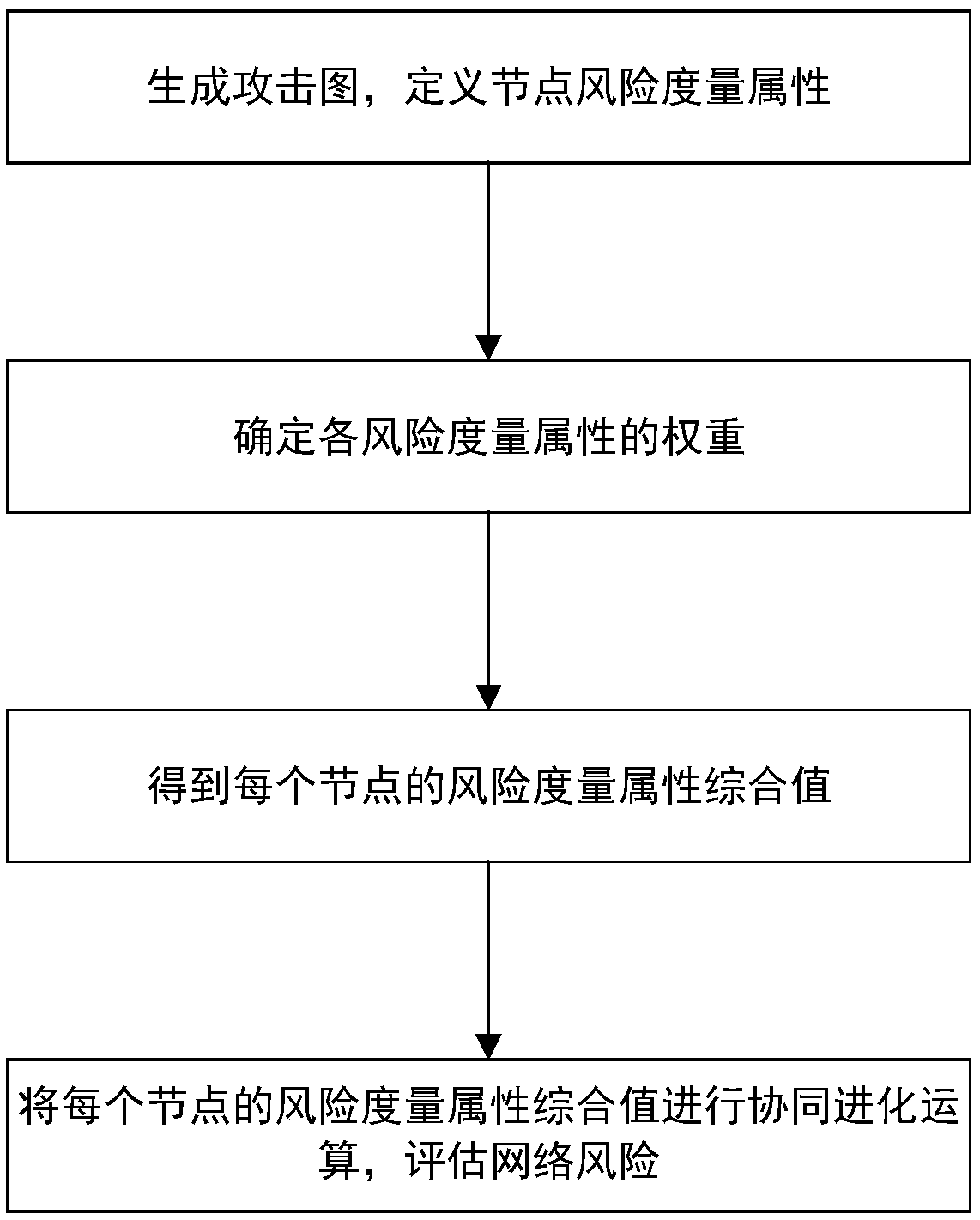
Figure 1 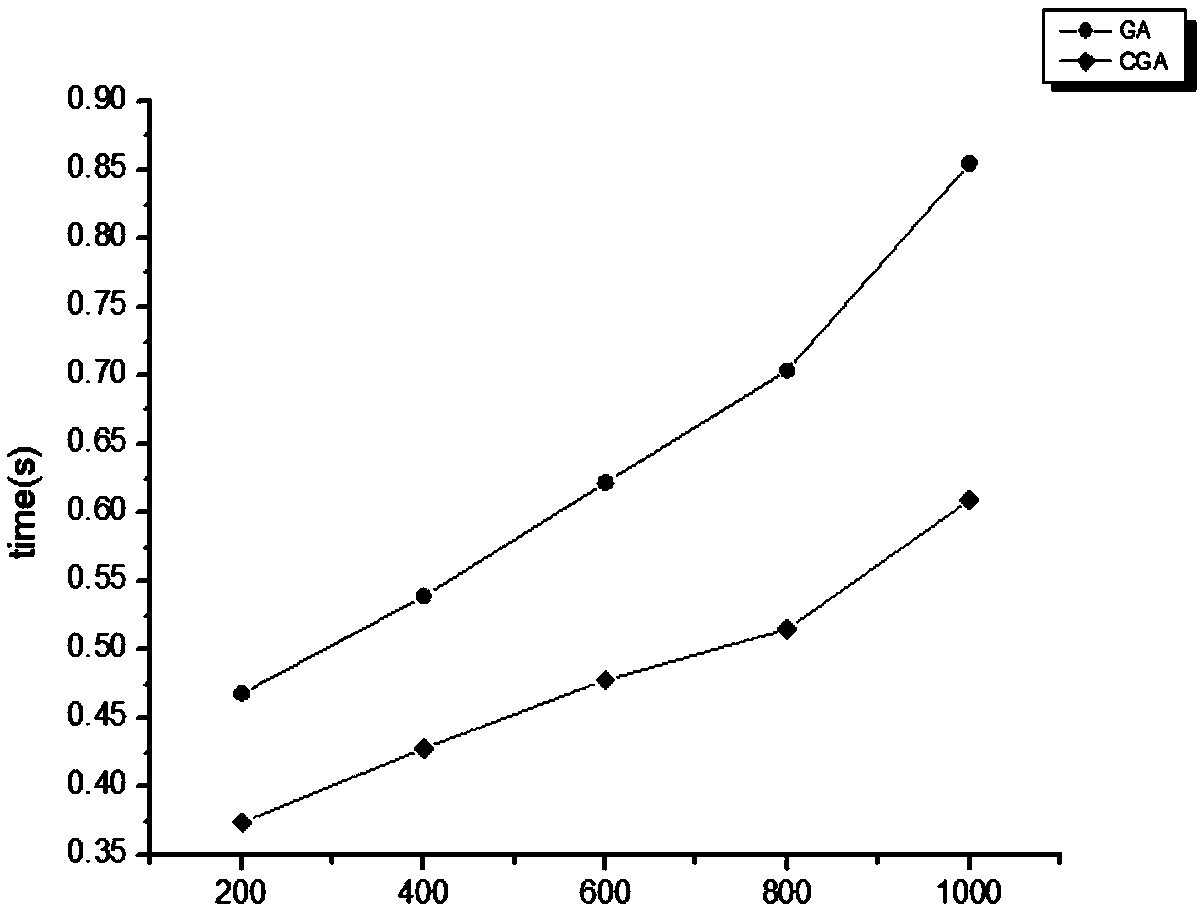
Figure 2 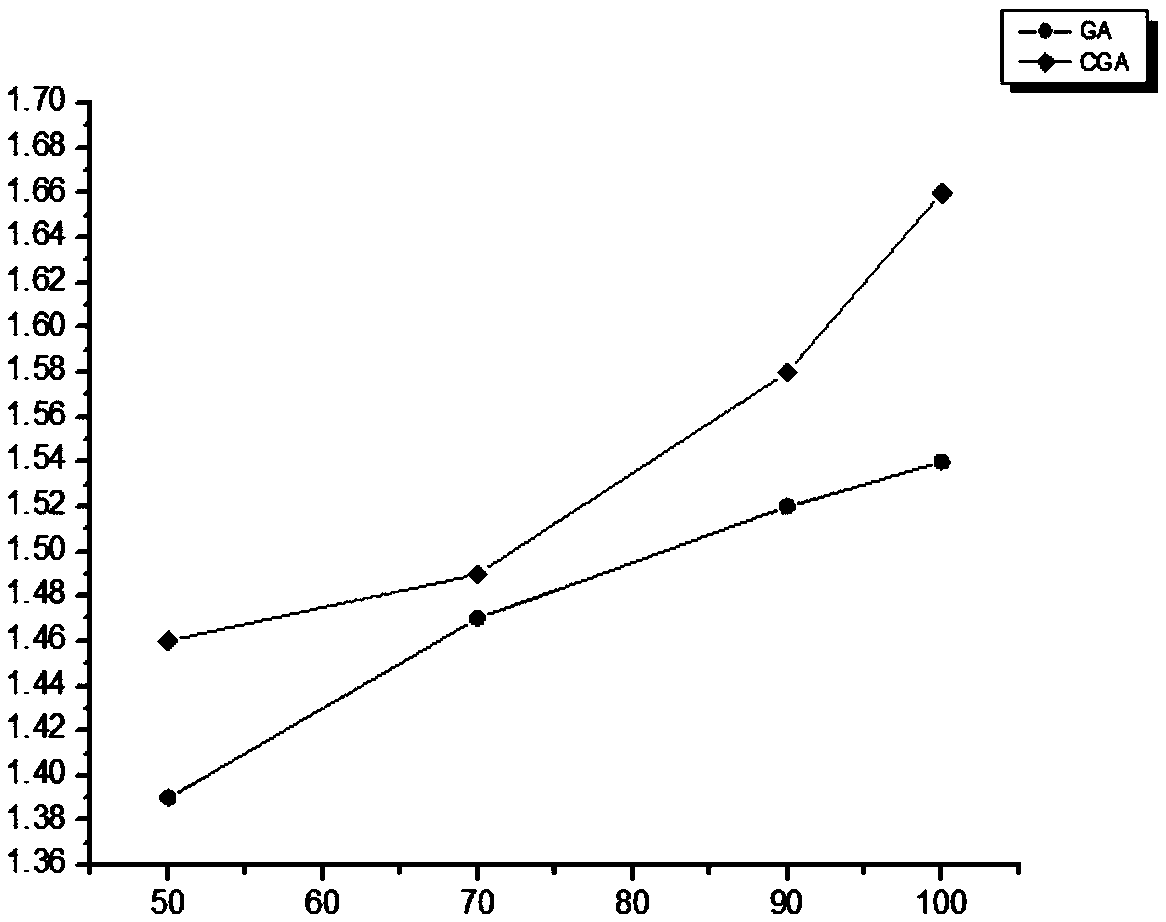
Figure 3
Abstract
Description
technical field
[0001] The invention belongs to the technical field of computer network security, and in particular relates to a network risk blocking method based on attack graph and co-evolution. Background technique
[0002] Network security assessment methods are mainly divided into two types, one is the rule-based assessment method, and the other is the model-based assessment method. The traditional rule-based network risk assessment method uses intrusion detection and vulnerability scanning tools, which can only discover the risks exposed in the surface layer of the network environment. Evaluate. The model-based evaluation method can objectively evaluate the overall vulnerability of the current network environment and the existing security risks by taking into account the correlation between hosts or server nodes in the network environment and the correlation between the vulnerable points on it.
[0003] The attack graph model considers the network topology informati...
Examples
Embodiment Construction
[0032] The present invention will be described in detail below with reference to the accompanying drawings and examples.
[0033] The attack graph model considers the network topology information in the network modeling work, which provides comprehensive information for the evaluation, and the model detector provides an automatic means for the generation of the attack graph model, which reduces the human subjective factors in the evaluation work. Influence, more scientifically. The attack graph model can be used to qualitatively or quantitatively analyze the vulnerable links, vulnerable links, attack paths, and system loss risks of computer network systems.
[0034] The co-evolutionary algorithm is a new algorithm proposed for the deficiencies of the current popular intelligent optimization algorithms. It considers the influence of the relationship between individuals and between individuals and the environment on the evolution of individuals. Compared with the genetic algor...