Intermediate-frequency electrical stimulation wearable terminal and intermediate-frequency electrical stimulation wearable system

A wearable terminal, electrical stimulation technology, applied in electrodes, electrotherapy, artificial respiration, etc., can solve problems such as failure to meet regulatory requirements, achieve the effect of simple and easy connection, deep stimulation, and avoidance of safety risks

CN110721403APending Publication Date: 2020-01-24津准(三明)医学技术有限公司
7 Cites 2 Cited by

Patent Information

Authority / Receiving Office
CN · China
Patent Type
Applications(China)
Current Assignee / Owner
Publication Date
2020-01-24

Smart Images

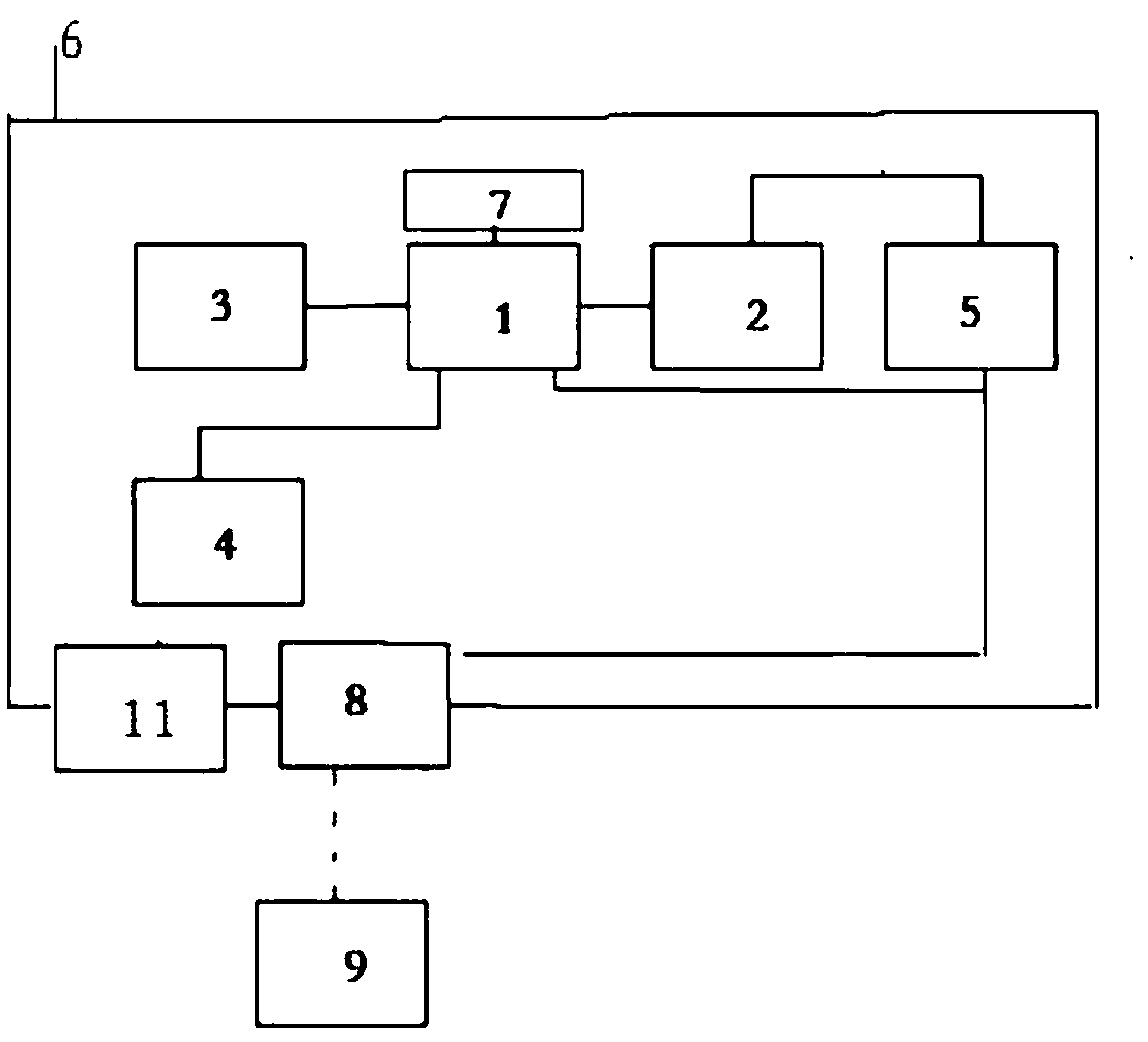
  • Figure 1
    Figure 1
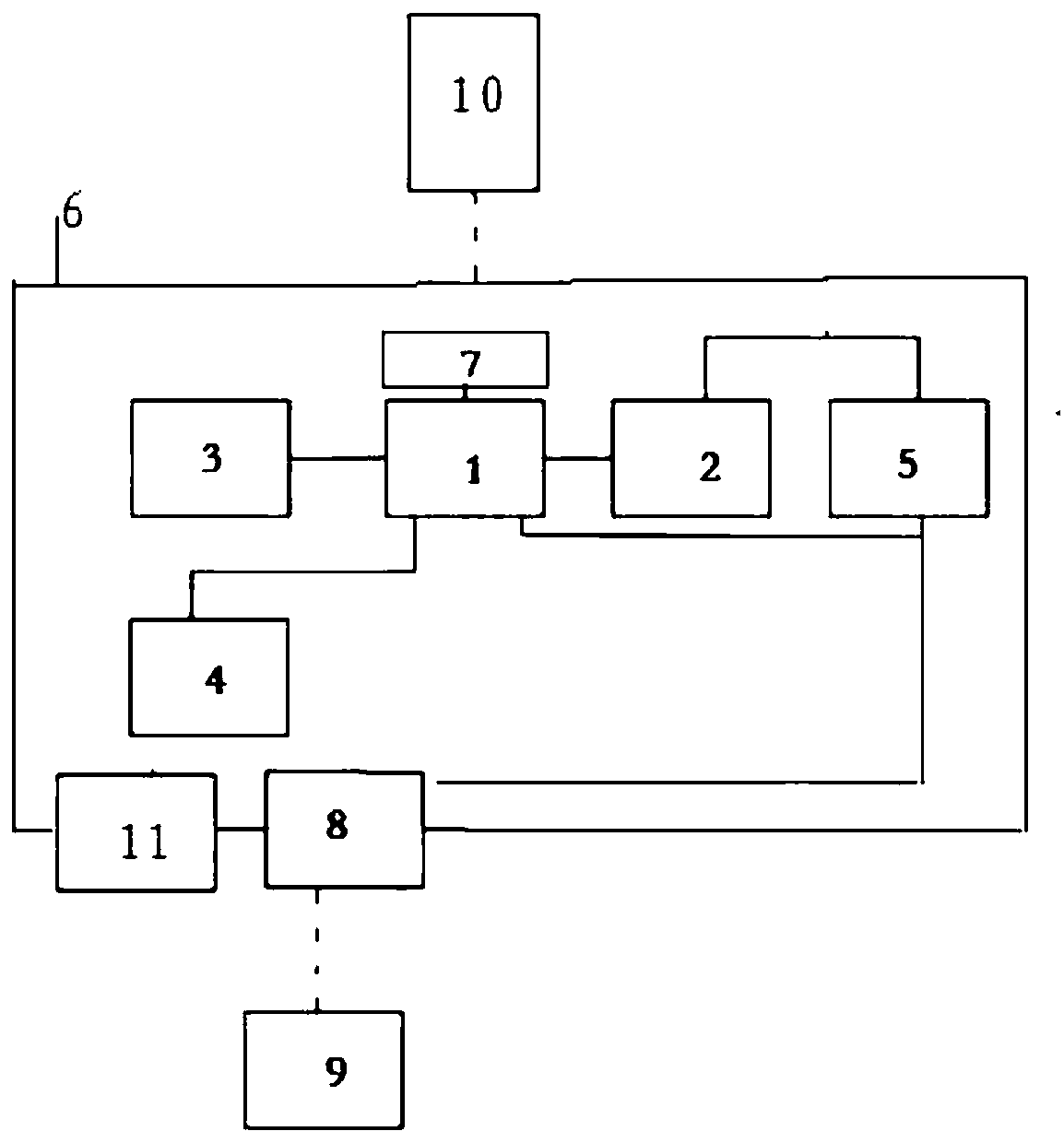
  • Figure 2
    Figure 2
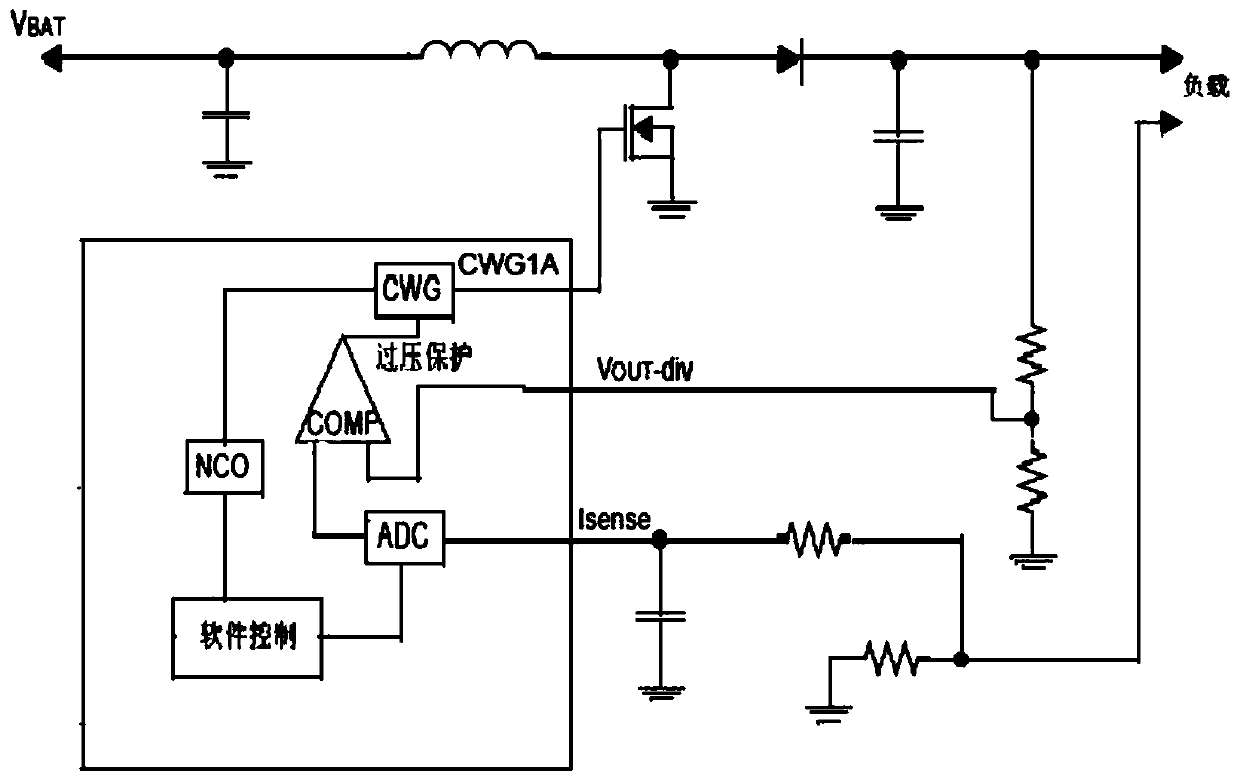
  • Figure 3
    Figure 3
Patent Text Reader

Abstract

The invention discloses an intermediate-frequency electrical stimulation wearable terminal and an intermediate-frequency electrical stimulation wearable system. The intermediate-frequency electrical stimulation wearable terminal comprises a body (6) and an electrode slice (9) magnetically attracted to the body (6). The body (6) comprises: a rechargeable internal power supply (4) which supplies power to the intermediate-frequency electrical stimulation wearable terminal, a communication unit (7) which wirelessly receives the intermediate-frequency electrical stimulation information, a storage cell (3), wherein the storage unit (3) connected with the communication unit is used for storing the intermediate-frequency electrical stimulation information, a master control unit (1) which is in circuit connection with the rechargeable internal power supply (4) and the storage unit to generate an intermediate-frequency electrical stimulation current based on the intermediate-frequency electricalstimulation information, a stimulation current amplification unit (2) which is connected with the main control unit (1) to amplify and output the intermediate-frequency electrical stimulation current, and a solid-state magnetic conductor (8) which is used for magnetic attraction conduction and is in circuit connection with the stimulation current amplification unit (2).
Need to check novelty before this filing date? Find Prior Art

Description

technical field

[0001] The invention relates to the technical field of wearable medical devices, in particular to an intermediate frequency electric stimulation wearable terminal and an intermediate frequency electric stimulation wearable system. Background technique

[0002] The operation itself is a kind of trauma. After the limbs are cut off due to some blood vessels, internal fixation such as steel plates and screws will also stimulate the surrounding tissues and cause swelling. After the limb is swollen, the distal circulation is poor, local inflammatory substances and metabolites accumulate, and the inflammation subsides slowly; fresh blood and nutrients cannot be transported to the damaged part in time, and tissue growth and repair are affected; swelling produces pressure on tissue, aggravating pain ; Postoperative limb immobilization, blood flow slows down, platelets stay and accumulate around blood vessels, and it is easy to form thrombus. These factors will affect...

Examples

Embodiment Construction

[0038] The following will refer to the appendix figure 1 to the attached Figure 5 Specific embodiments of the present invention are described in more detail. While specific embodiments of the present invention are shown in the drawings, it should be understood that the present invention may be embodied in various forms and should not be limited by the embodiments set forth herein. Rather, these embodiments are provided so that the present invention will be more thoroughly understood, and will fully convey the scope of the present invention to those skilled in the art.

[0039] It should be noted that certain terms are used in the description and the claims to refer to specific components, and those skilled in the art should understand that the same component may be referred to by different terms. The description and the claims do not use the difference in terms as a way to distinguish components, but use the difference in function of the components as a criterion for distin...