

Wearable intraocular pressure detection device and detection method based on corneal contact lens grating
A contact lens and detection device technology, applied in the field of ray optics, can solve the problems of contact lens operation, low comfort, easy device failure, etc., and achieves the requirements of avoiding complex insulating packaging, reducing sensitivity, and low geometric size requirements. Effect
Patent Information
- Authority / Receiving Office
- CN · China
- Patent Type
- Applications(China)
- Current Assignee / Owner
- Publication Date
- 2020-06-30
- Estimated Expiration
- Not applicable · inactive patent
Smart Images
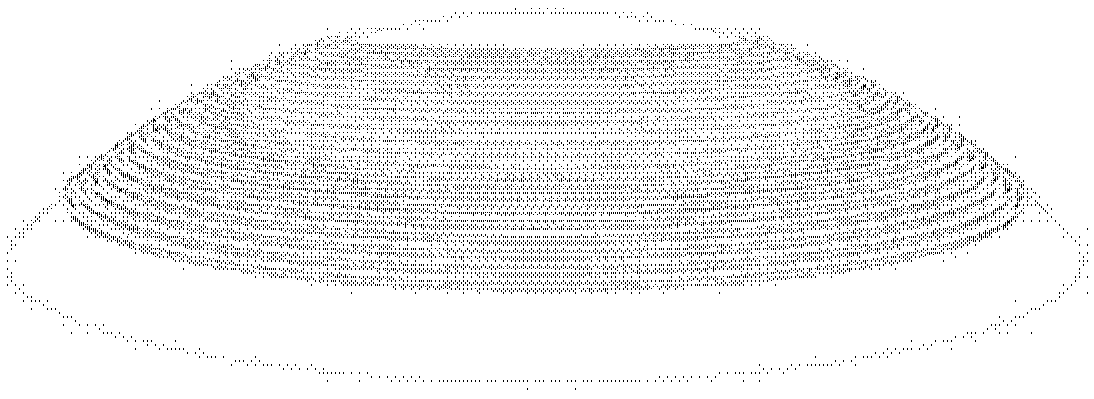
Figure 1 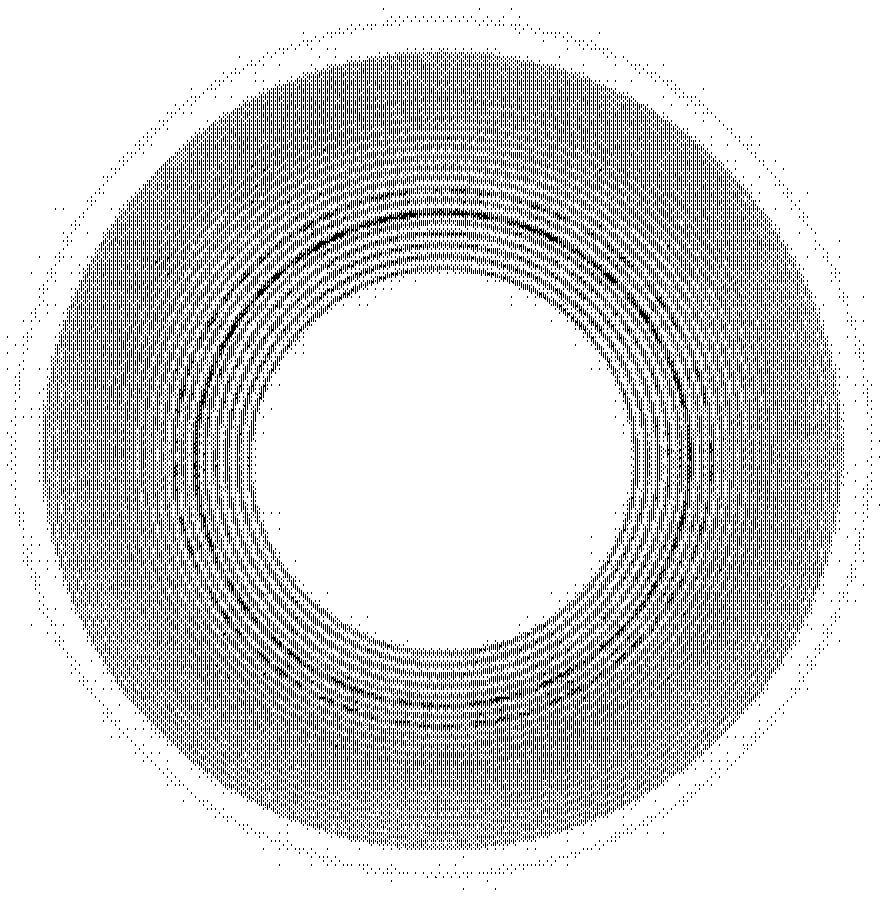
Figure 2 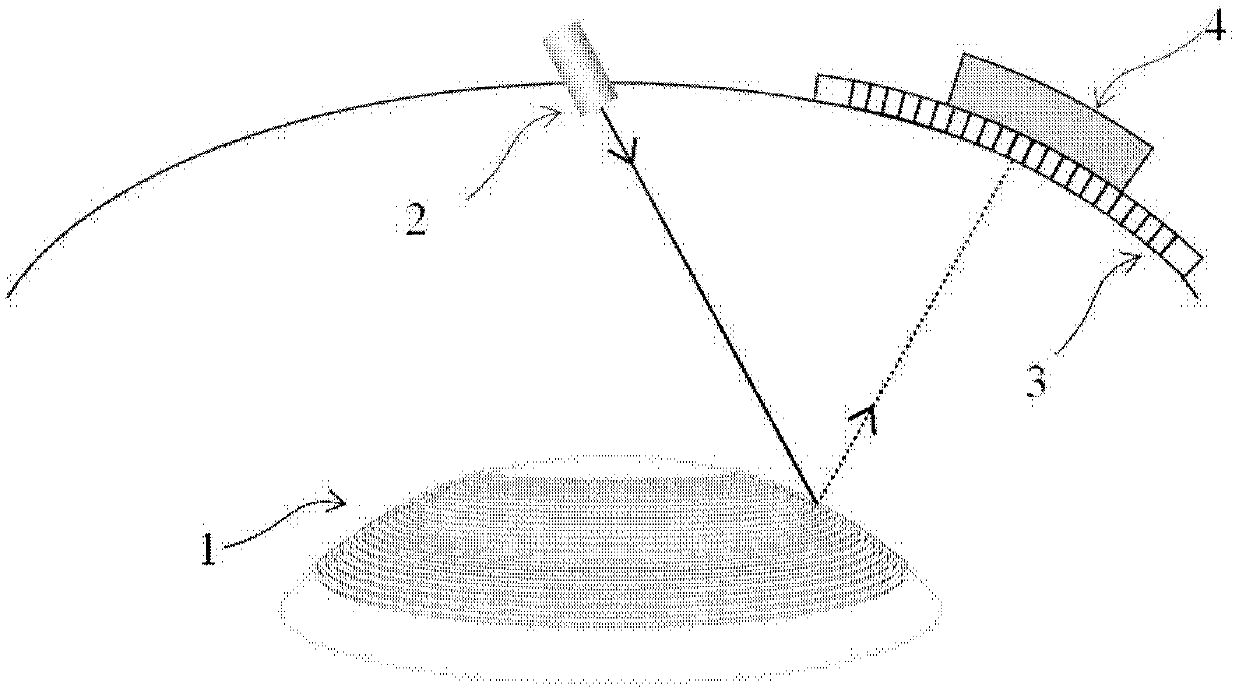
Figure 3
Abstract
Description
technical field
[0001] The invention relates to the technical field of ray optics, in particular to a wearable intraocular pressure detection device and detection method based on a corneal contact lens grating. Background technique
[0002] Glaucoma is an irreversible ophthalmic disease. Increased intraocular pressure is the main clinical manifestation of glaucoma. Long-term high intraocular pressure will lead to gradual loss of vision. Therefore, it is necessary to continuously monitor the intraocular pressure of glaucoma patients for a long time for timely prevention and treatment. The traditional intraocular pressure testing instrument is a desktop device with a large volume and complicated operating procedures. It needs to be checked by a doctor or professional nurse after the patient registers in the hospital. This makes it difficult to have a continuous understanding of the real-time fluctuations in IOP. It is not very convenient to control the patient's condition an...
Examples
Embodiment Construction
[0040] In order to make the object, technical solution and advantages of the present invention clearer, the present invention will be further described in detail below in conjunction with specific embodiments and with reference to the accompanying drawings.
[0041] According to one embodiment of the present invention, a wearable intraocular pressure detection device based on a corneal contact lens grating is provided, such as image 3 Shown is a schematic structural diagram of a wearable intraocular pressure detection device based on a corneal contact lens grating in this embodiment, including:
[0042] A wearable bracket for placing a light source 2, a photodetector 3 and a processing circuit 4, and the light source 2 is used for emitting light beams;
[0043] The contact lens 1 is used to reflect the light beam emitted by the light source 2, including a transparent grating-free area located in its central area, and a grating area located in its peripheral area;
[0044] Th...