
Three-dimensional braided composite material damage source positioning method and device
A composite material and three-dimensional weaving technology, which is applied in positioning, analyzing materials, measuring devices, etc., can solve problems such as damage to three-dimensional weaving composite materials, and positioning methods that cannot meet the requirements of precise positioning.
Patent Information
- Authority / Receiving Office
- CN · China
- Current Assignee / Owner
- Publication Date
- 2020-10-23
Smart Images
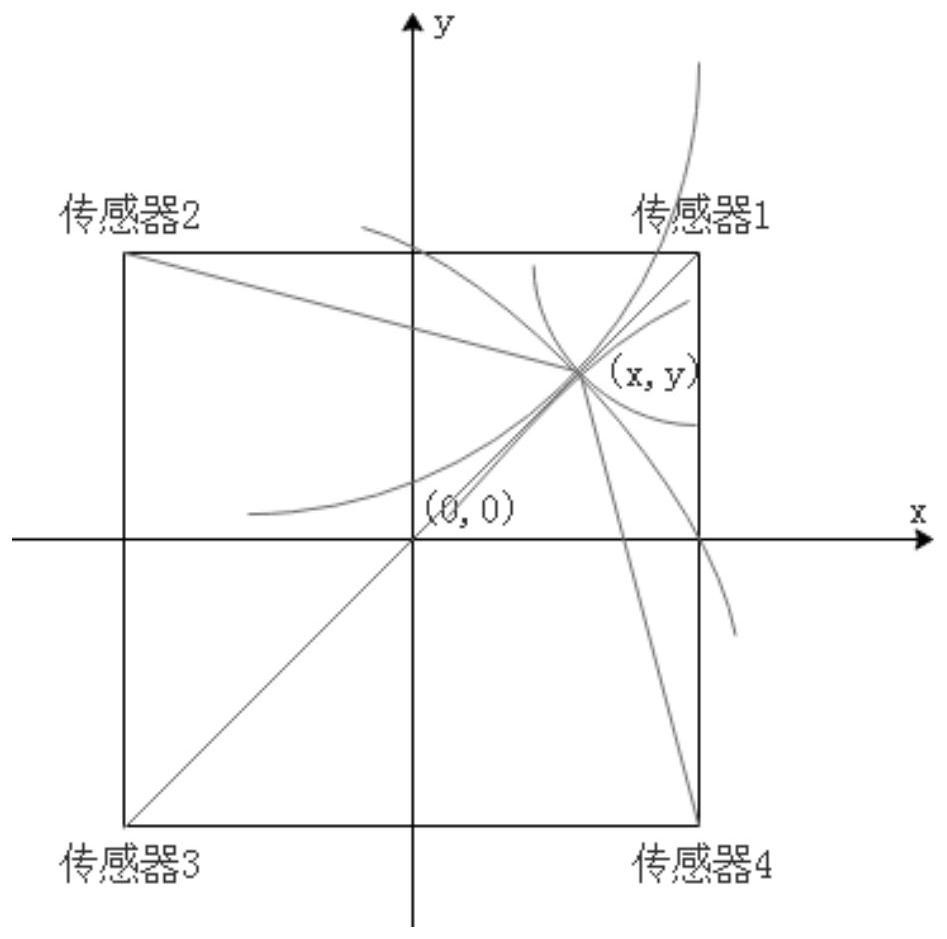
Figure 1 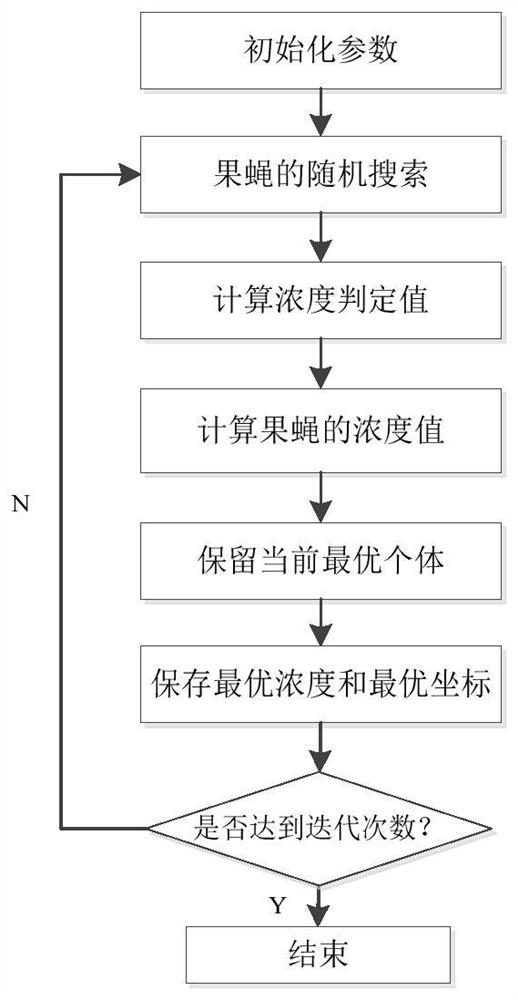
Figure 2 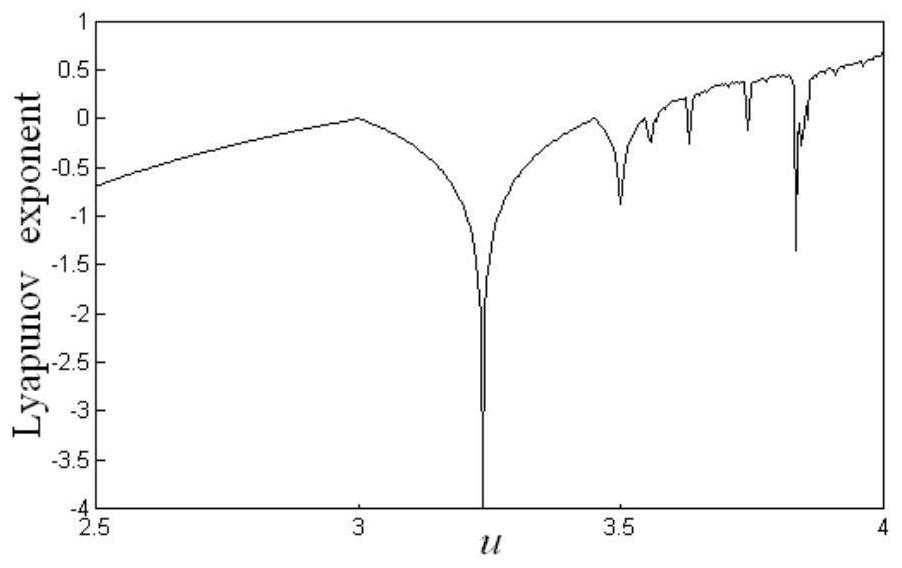
Figure 3
Abstract
Description
technical field
[0001] The invention belongs to the field of composite materials, in particular to a method and device for locating damage sources of three-dimensional braided composite materials. Background technique
[0002] Acoustic emission source location is one of the important purposes of acoustic emission nondestructive testing, and the location accuracy reflects the degree of agreement between the identified location and the actual damage location. The premise of the traditional AE source location is to determine the propagation velocity of the sound wave in the solid medium, and determine the location of the AE source by the time difference between the sound waves arriving at the two sensors. However, three-dimensional braided composite materials have anisotropic characteristics, and the speed of sound waves is not only related to material properties and plate thickness, but also related to the propagation angle, and environmental factors such as temperature and hu...
Examples
Embodiment Construction
[0074] It should be noted that, in the case of no conflict, the embodiments of the present invention and the features in the embodiments can be combined with each other.
[0075] In describing the present invention, it is to be understood that the terms "center", "longitudinal", "transverse", "upper", "lower", "front", "rear", "left", "right", " The orientations or positional relationships indicated by "vertical", "horizontal", "top", "bottom", "inner" and "outer" are based on the orientations or positional relationships shown in the drawings, and are only for the convenience of describing the present invention and Simplified descriptions, rather than indicating or implying that the device or element referred to must have a particular orientation, be constructed and operate in a particular orientation, and thus should not be construed as limiting the invention. In addition, the terms "first", "second", etc. are used for descriptive purposes only, and should not be understood a...