Through hole filling method and structure

A filling method and support structure technology, which is applied to semiconductor/solid-state device parts, semiconductor devices, electrical components, etc., can solve the problem of low filling yield of through holes

CN111834234AActive Publication Date: 2020-10-27NAT CENT FOR ADVANCED PACKAGING
8 Cites 0 Cited by

Patent Information

Authority / Receiving Office
CN · China
Current Assignee / Owner
Publication Date
2020-10-27

Smart Images

  • Figure 1
    Figure 1
  • Figure 2
    Figure 2
  • Figure 3
    Figure 3
Patent Text Reader

Abstract

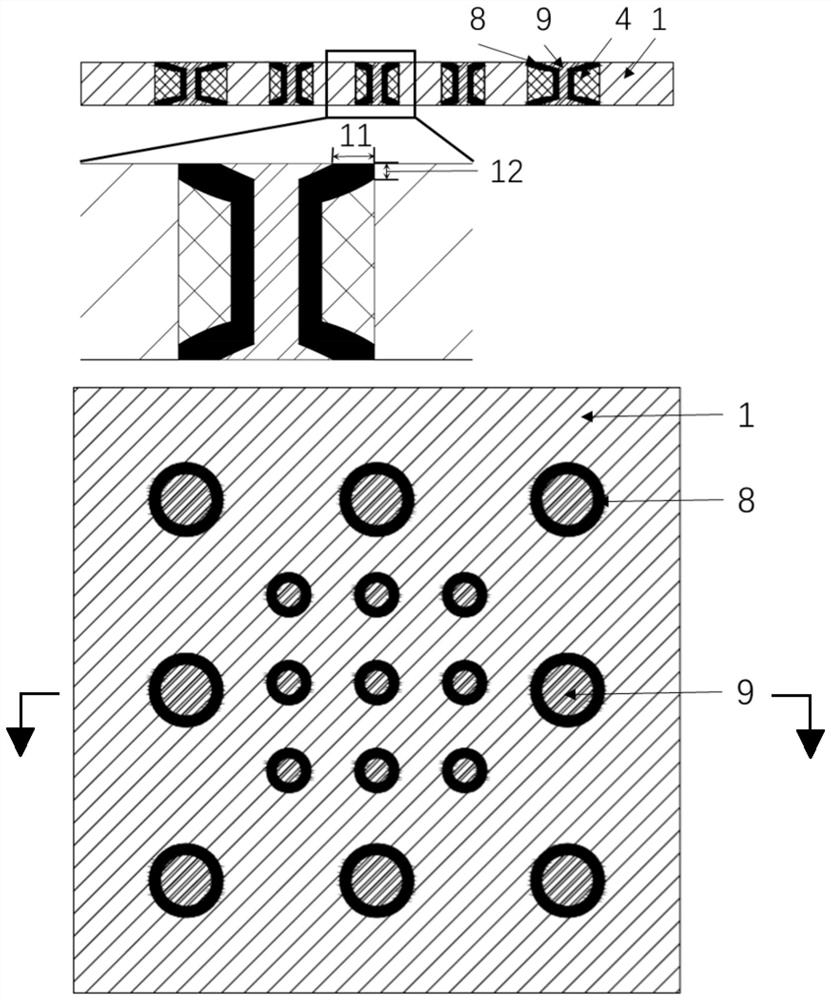
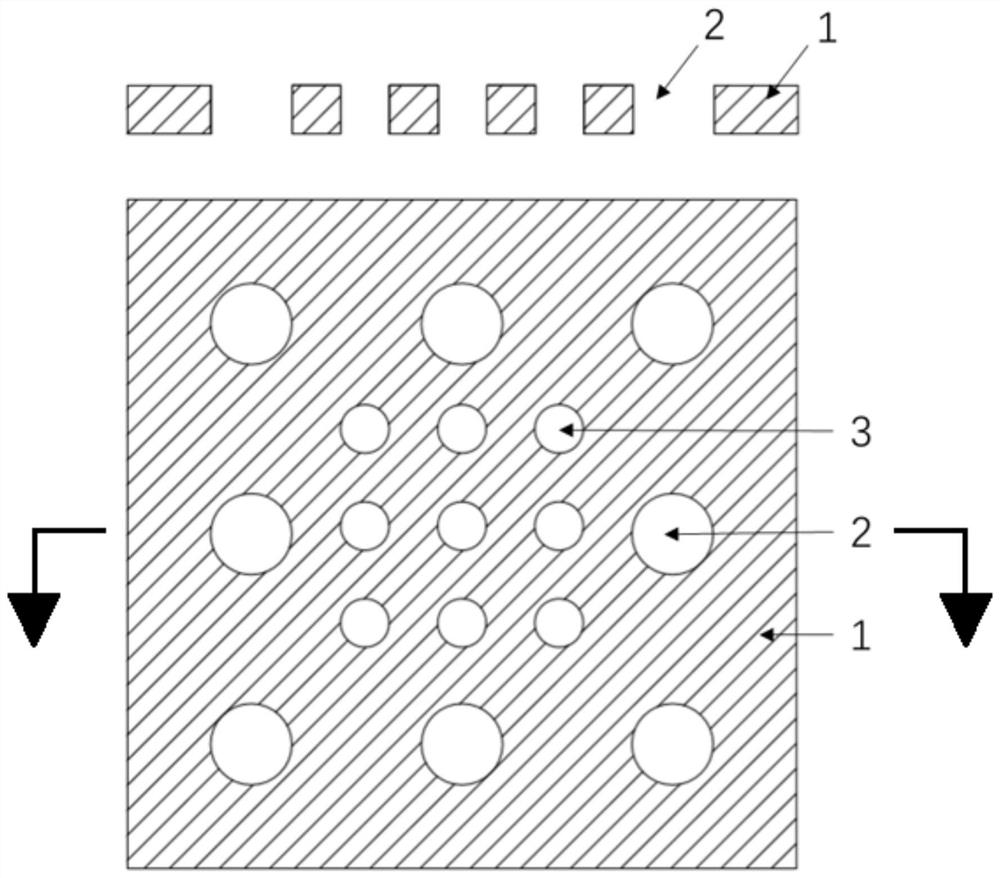
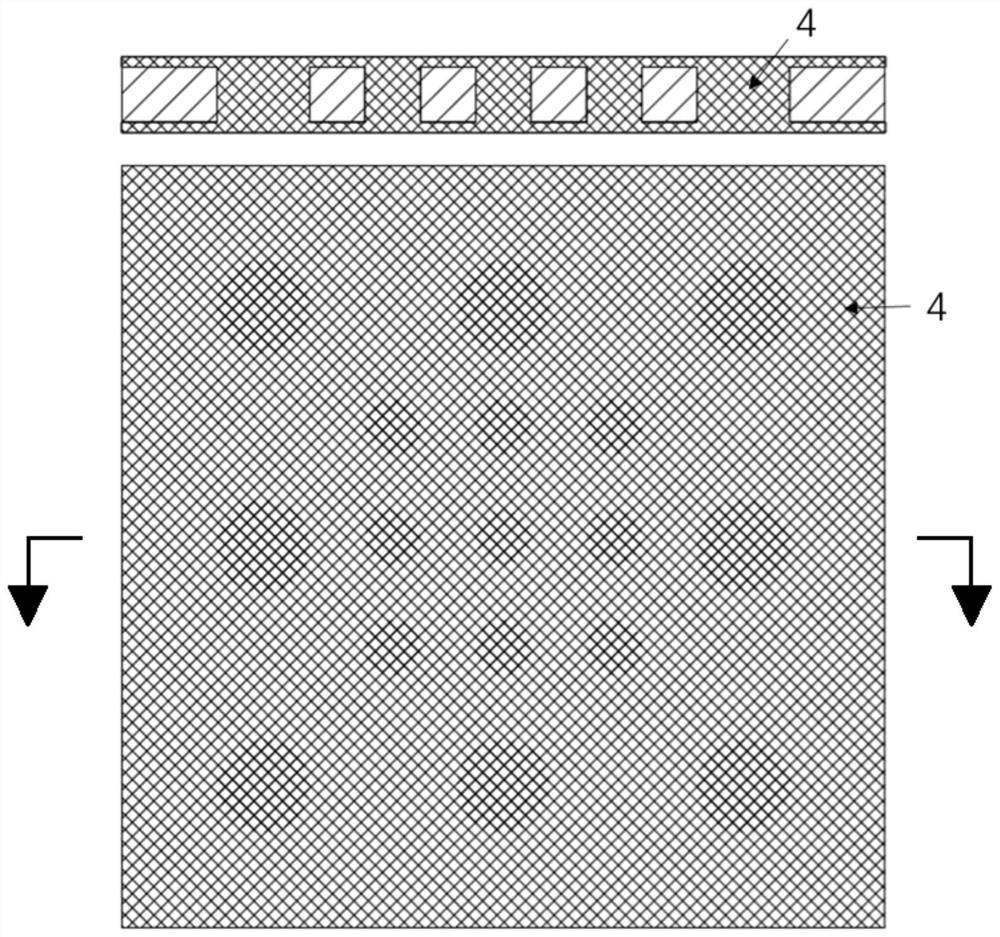
The invention provides a through hole filling method and structure, and the method comprises the steps: filling a through hole with colloid, and enabling the colloid to be semi-cured; removing the colloid on the surface of the substrate, wherein the colloid in the through hole sinks inwards; solidifying the colloid; punching the solidified colloid to form a standard hole with the diameter smallerthan that of the through hole; carrying out metal deposition to form a transition structure, wherein the transition structure wraps the side wall of the standard hole, the surface of the substrate andthe outer surface of the solidified colloid; forming an electroplated metal layer through a metal electroplating process, and filling the standard hole; and removing the transition structure and theelectroplated metal layer on the upper surface and the lower surface of the substrate; according to the invention, the problems that holes occur in large-aperture holes with high depth-to-width ratio,surface plating layers are too thick and the like are solved, the yield is high, the cost is low, and the realizability is good.
Need to check novelty before this filing date? Find Prior Art

Description

technical field

[0001] The invention relates to the technical field of semiconductor packaging, in particular to a through hole filling method and structure. Background technique

[0002] In the manufacturing process of substrates (such as organic substrates, glass substrates or ceramic substrates), it is usually necessary to perform through-hole processing on thick substrates and metal plating to realize the interconnection of the electrical properties of the upper and lower surfaces. Full-hole electroplating for small-aperture holes can obtain good filling effect, but for large-aperture (≥50um) high-aspect-ratio holes, if a similar process is used, problems such as voids and over-thickness of the surface coating are likely to occur, and the yield rate is low. , high cost and poor realizability. Therefore, it is usually implemented by first depositing thin-walled metal and then plugging or only depositing thin-walled metal without filling. Unfilled vias cannot achieve ver...

Examples

Embodiment Construction

[0041] The through-hole filling method and structure proposed by the present invention will be further described in detail below with reference to the drawings and specific embodiments. Advantages and features of the present invention will be apparent from the following description and claims. It should be noted that all the drawings are in a very simplified form and use imprecise scales, and are only used to facilitate and clearly assist the purpose of illustrating the embodiments of the present invention.

[0042] In addition, unless otherwise stated, features in different embodiments of the present invention can be combined with each other. For example, a feature in the second embodiment may be used to replace a corresponding or functionally identical or similar feature in the first embodiment, and the resulting embodiment also falls within the scope of disclosure or description of the present application.

[0043] The core idea of ​​the present invention is to provide a t...