
Squirrel-cage rotor adapts adapting skin effect to improve conductivity of conducting bar
A technology of electrical conductivity and squirrel cage rotor, which is applied in the field of squirrel cage rotors, can solve problems such as uneven distribution, increased heat generation, and reduced cross section, and achieve the effects of increasing heat dissipation surface area, reducing dynamic load, and reducing cost
Patent Information
- Authority / Receiving Office
- CN · China
- Patent Type
- Applications(China)
- Current Assignee / Owner
- Publication Date
- 2020-11-24
Smart Images
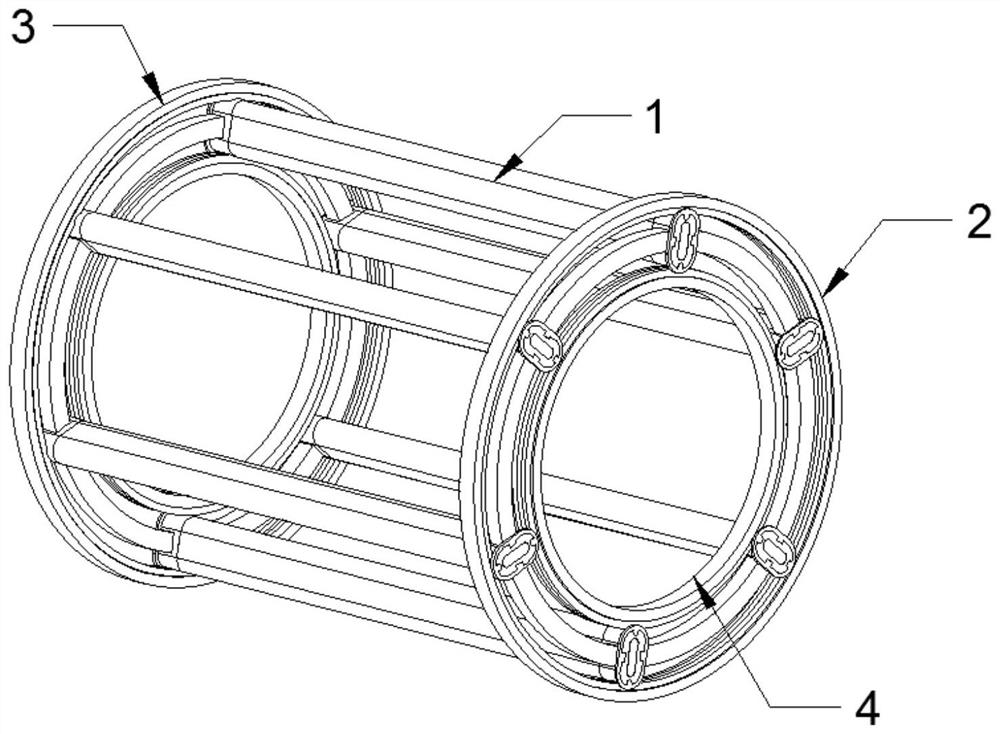
Figure 1 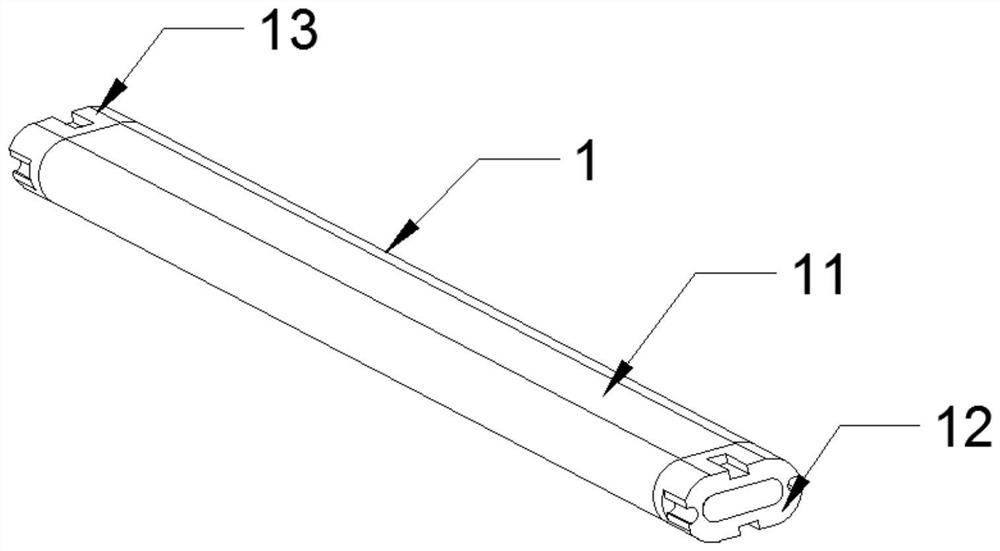
Figure 2 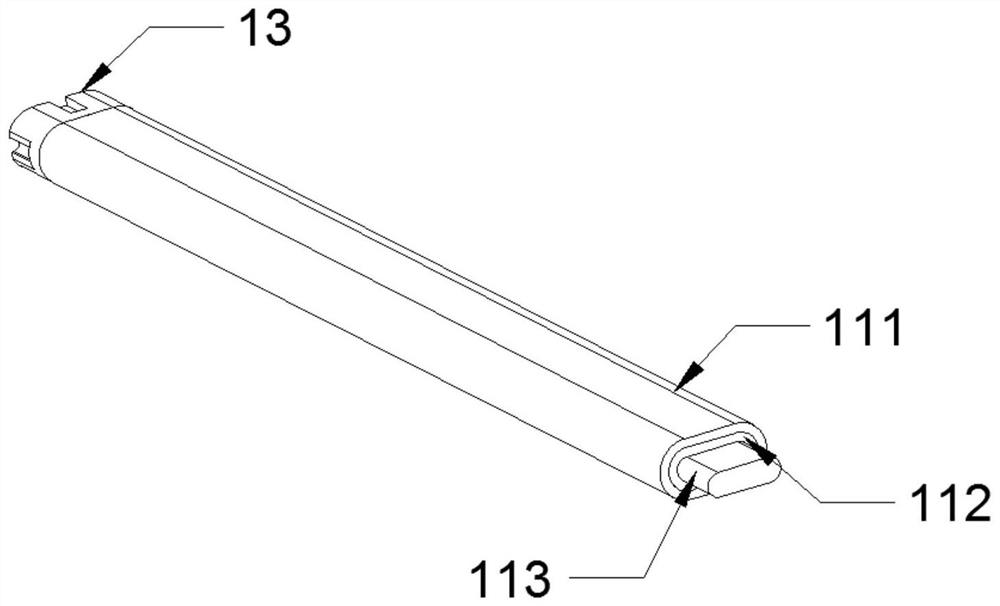
Figure 3
Abstract
Description
technical field
[0001] The invention relates to the technical field of squirrel-cage rotors, in particular to a squirrel-cage rotor that adapts to the skin effect to improve the conductivity of a guide bar. Background technique
[0002] The squirrel-cage motor is a kind of three-phase asynchronous motor, and the squirrel-cage rotor is the rotating part of the squirrel-cage motor. Generally, a copper or aluminum rotor coil is cast in a cage-shaped slot on the rotor core. The coil is a closed loop that is not connected to other parts, and its main function is to suppress the stator current.
[0003] The existing squirrel-cage rotor generates induced current in the rotating magnetic field, but due to the existence of the skin effect, the distribution of the induced current on the cross-section of the bar is uneven, the current density on the surface of the conductor is greater than that in the center, and the current will Concentrate on the surface of the conductor to flow, wh...
Examples
Embodiment Construction
[0020] The following will clearly and completely describe the technical solutions in the embodiments of the present invention with reference to the accompanying drawings in the embodiments of the present invention. Obviously, the described embodiments are only some, not all, embodiments of the present invention. Based on the embodiments of the present invention, all other embodiments obtained by persons of ordinary skill in the art without making creative efforts belong to the protection scope of the present invention.
[0021] see figure 1 , a squirrel-cage rotor adapted to the skin effect to improve the conductivity of the bar in the illustration, including the first fastening ring 3 and the second fastening ring 4, the stator current is suppressed by the structure of the squirrel-cage rotor.
[0022] see figure 1 , the inner wall of the first fastening ring 3 and the inner wall of the second fastening ring 4 are fixedly installed with an end ring group 2 for heat dissipati...