Unlock instant, AI-driven research and patent intelligence for your innovation.

Method for Detecting the Presence of Target Bacteria or a Target Component Carbohydrate Antigen Thereof

a technology of target bacteria and carbohydrate antigen, which is applied in the field of detecting the presence of target bacteria or a target component carbohydrate antigen thereof, can solve the problems of cumbersome methodology, bacterial disease diagnosis and diagnosis often arrived at slowly and difficulty, and sputum may give false negative or false positiv

Inactive Publication Date: 2008-04-24
ALERE SCARBOROUGH
View PDF37 Cites 6 Cited by
  • Summary
  • Abstract
  • Description
  • Claims
  • Application Information

AI Technical Summary

Benefits of technology

"This patent describes a method for creating highly specific and sensitive antibodies to detect bacterial carbohydrate antigens in bodily fluids, particularly urine. The method involves purifying the target antigen from the bacteria and using it to affinity purify antibodies from raw polyvalent antibodies. These purified antibodies can then be used in various immunoassay procedures to detect the target antigen. The technical effect of this patent is the ability to quickly and accurately detect bacterial carbohydrate antigens in bodily fluids, which can aid in the diagnosis and treatment of bacterial infections."

Problems solved by technology

They offer wide opportunities for rapid diagnostic tests, e.g., via ICT immunoassays, to identify bacteria that have heretofore been difficult to identify rapidly and accurately, whereby diagnoses of bacterial diseases they caused were often arrived at slowly and difficulty, using cumbersome methodology.
(3) Samples from, e.g., sputum may give false negative or false positive results due to difficulties in obtaining or culturing the sample, possible presence of colonies of bacteria in the patient's nose or throat that are chronically present and were not causative of disease, and other similar difficulties.
While some of the tests have been useful in some cases, none of them has so far gained sufficient clinical acceptance of reliability to be used independently of cell culture tests.

Method used

the structure of the environmentally friendly knitted fabric provided by the present invention; figure 2 Flow chart of the yarn wrapping machine for environmentally friendly knitted fabrics and storage devices; image 3 Is the parameter map of the yarn covering machine
View more

Image

Smart Image Click on the blue labels to locate them in the text.
Viewing Examples
Smart Image
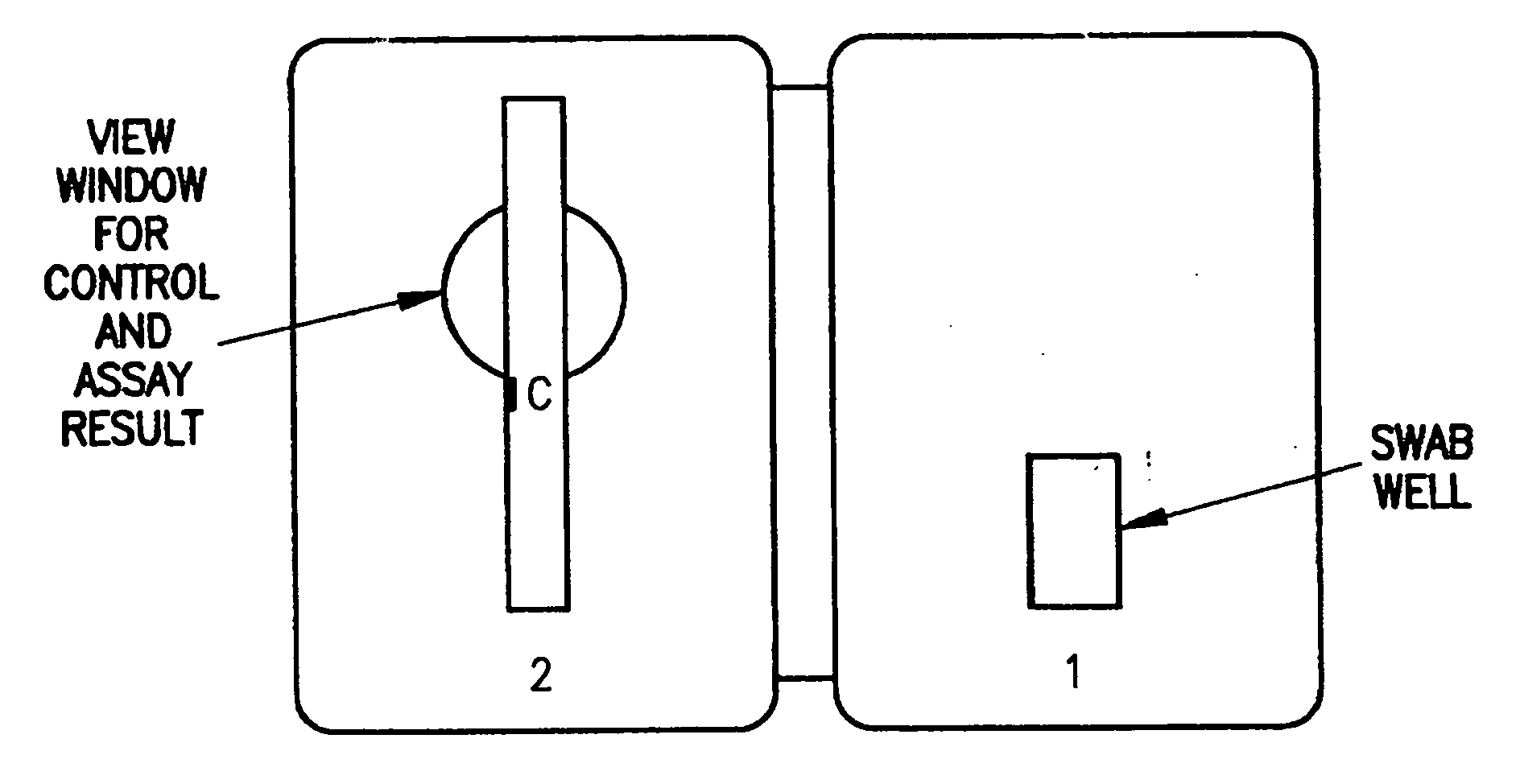
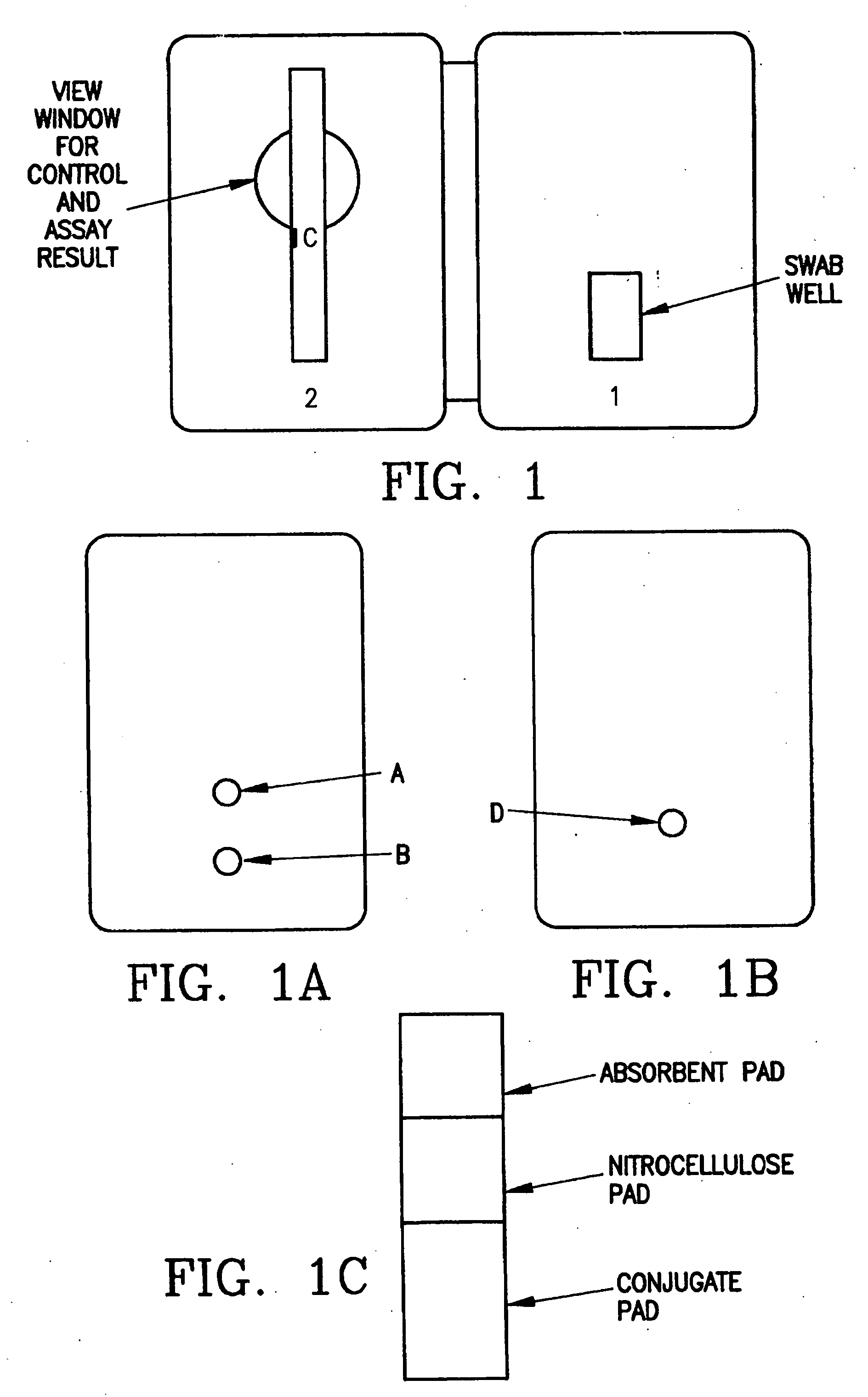
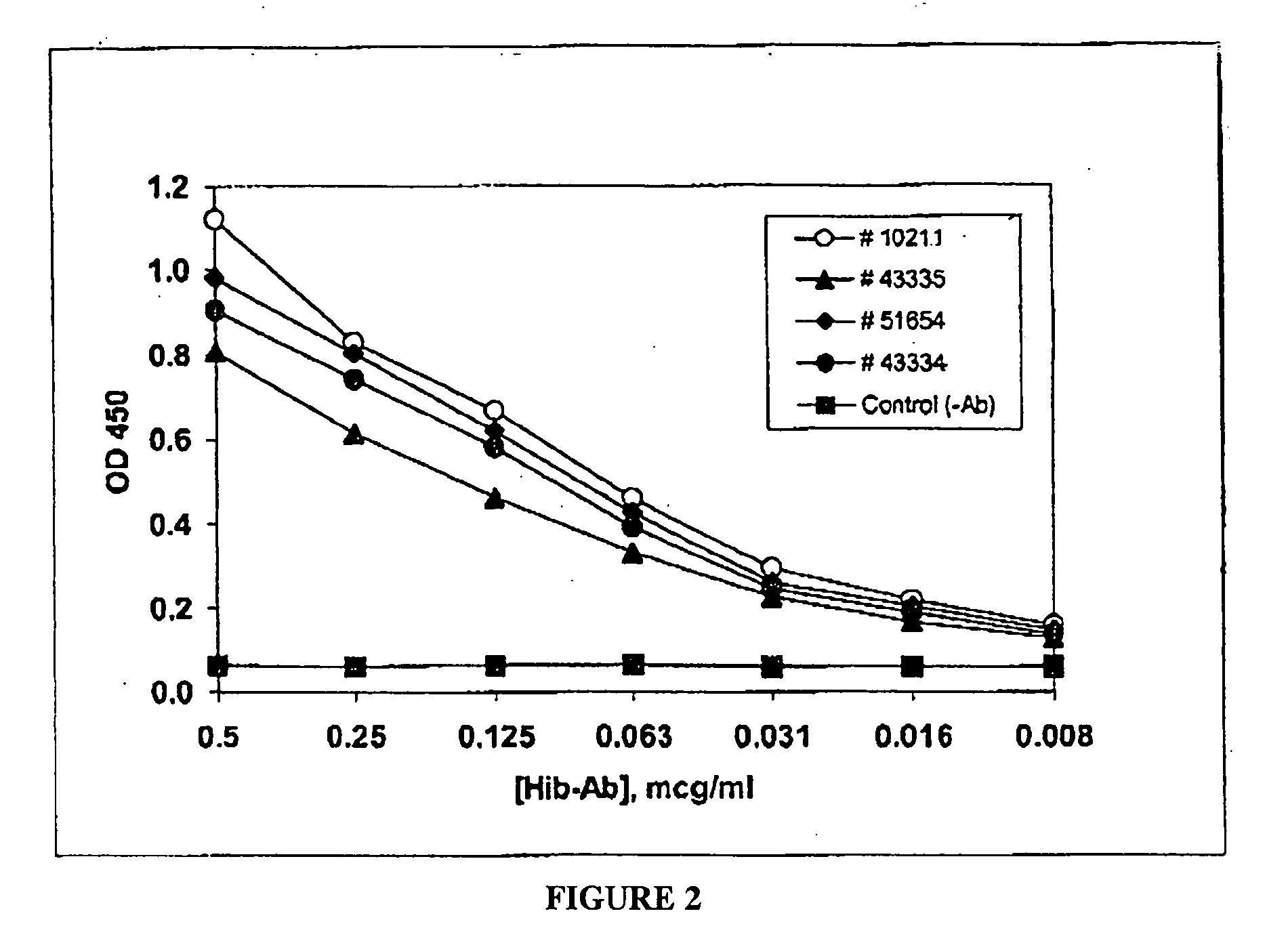
  • Method for Detecting the Presence of Target Bacteria or a Target Component Carbohydrate Antigen Thereof
  • Method for Detecting the Presence of Target Bacteria or a Target Component Carbohydrate Antigen Thereof
  • Method for Detecting the Presence of Target Bacteria or a Target Component Carbohydrate Antigen Thereof

Examples

Experimental program
Comparison scheme
Effect test

example 1

Culture Conditions for Culturing the Target Carbohydrate Antigen

[0050]Haemophilus influenzae type b (ATCC #10211) was grown in supplemented Mueller Hinton broth at 37° C. with 5 percent CO2 for 24 hours without agitation.

[0051] The broth composition, per liter, was:

Acid hydrolyzate of casein17.5 g. Beef heart extract3.0 g.Starch1.5 g.

[0052] Supplements as follows were also present:

Hematin15 mg. / mLNAD (nicotine adenine dinucleotide)15 mg. / mLYeast extract 5 mg. / mL

[0053] The pH of this mixture was 7.3±0.1 as measured at 25° C.

example 2

Purification of Carbohydrate Antigen

[0054] After 24 hours, 1.82 g. of cetyltrimethylammonium bromide CAS #57-09-0 was dissolved in 30 mL of distilled water and the solution was added to 500 mL of broth supernatant to yield a final concentration of 0.01 M cetyltrimethylammonium bromide. The mixture was incubated in an ice bath with stirring for one hour and left at 4° C. overnight.

[0055] The mixture from Example 1 was centrifuged at 12,000 rpm and 4° C. for 20 minutes to yield a pellet and a supernatant. Both were collected and treated, respectively, as follows:

[0056] (1) The pellet was resuspended in 0.5 M NaCl with sonication and was then dropwise precipitated at 4° C. in ten times the resuspension volume of ethanol. The resulting solution was stored overnight at 4° C. to allow precipitation.

[0057] The solution was then centrifuged at 12,000 rpm for 20 minutes. The pellet was dissolved in distilled water and then dialyzed against distilled water in dialysis tubing having a mole...

example 3

Preparation of Affinity Column

[0061] Five mg. of lyophilized Haemophilus influenzae type b polysaccharide antigen was dissolved in 4.52 mL of distilled water and the pH was adjusted to 5-6 with HCl; 15.64 mg. of bovine serum albumen-hydrazine conjugate of pH 5-6 was then added, followed by mixing for three minutes.

[0062] 2.6 μg of 1-ethyl-3-(3-dimethylaminopropyl) carbodiimide (“EDAC”) was dissolved in 100 μL of distilled water. 50 μL of this solution was added to the antigen / BSA-hydrazine conjugate solution, followed by three minutes of mixing. The balance of the EDAC solution was then added to this mixture followed by two hours of mixing at room temperature. The pH was then adjusted to 8 with NaOH and mixed for one hour at room temperature, followed by storage overnight at 4° C.

[0063] The next day the pH of the stored mixture was adjusted to 7 with HCl and a portion was subjected to the ELISA test, confirming its activity.

[0064] 2.12 mg. of the EDAC-treated antigen / BSA hydrazi...

the structure of the environmentally friendly knitted fabric provided by the present invention; figure 2 Flow chart of the yarn wrapping machine for environmentally friendly knitted fabrics and storage devices; image 3 Is the parameter map of the yarn covering machine
Login to View More

PUM

PropertyMeasurementUnit
concentrationaaaaaaaaaa
temperatureaaaaaaaaaa
pHaaaaaaaaaa
Login to View More

Abstract

A process is disclosed for separating a carbohydrate antigen from a Gram-positive or Gram-negative bacteria in a purified form that contains no more than 10% protein. The separated antigen is coupled to an affinity column, over which polyclonal antibodies to the same bacteria are chromatographed and recovered in a purified form that exhibits high specificity and sensitivity in immunoassays for the raw carbohydrate antigen corresponding to the purified antigen on the column. A particularly preferred form of rapid immunochromatographic assay employing the purified antibodies, which assay is very useful as an aid to rapid diagnosis of diseases caused by bacteria, is disclosed.

Description

RELATED APPLICATIONS [0001] This application is a continuation-in-part of each of the following U.S. applications, all of which were assigned to Binax, Inc., the corporation having the rights to receive assignment in full of this application. [0002] (1) Ser. No. 09 / 139,720, filed Aug. 25, 1998, [0003] (2) Ser. No. 09 / 156,486, filed Sep. 16, 1998, now abandoned in favor of its continuation-in-part application, [0004] (3) Ser. No. 09 / 397,110, filed Sep. 16, 1999, [0005] (4) Ser. No. 09 / 458,998, filed Dec. 10, 1999, as a continuation-in-part of Ser. No. 09 / 139,720.INTRODUCTION TO THE PRESENT INVENTION [0006] The present invention relates to achieving rapid and accurate diagnoses, of high sensitivity and specificity, of bacterial infections caused by bacteria characterized by the possession of carbohydrate antigens. In particular, the invention involves the initial purification of such carbohydrate antigens to an essentially protein-free state, followed by utilization of each so-purifie...

Claims

the structure of the environmentally friendly knitted fabric provided by the present invention; figure 2 Flow chart of the yarn wrapping machine for environmentally friendly knitted fabrics and storage devices; image 3 Is the parameter map of the yarn covering machine
Login to View More

Application Information

Patent Timeline
no application Login to View More
Patent Type & Authority Applications(United States)
IPC IPC(8): G01N33/569C07K16/12C12P19/00
CPCC07K16/1242G01N33/558G01N2400/50G01N2333/28G01N33/56911G01N33/54388
Inventor KOULCHIN, VLADIMIR ANDREIMOORE, NORMAN JAMESMOLOKOVA, ELENA VALENTINFENT, MARY KATHLEEN
Owner ALERE SCARBOROUGH