Populations of several species of pollinators, however, are in decline throughout the world, threatening the stability of our ecosystems and productivity of our agricultural landscapes.
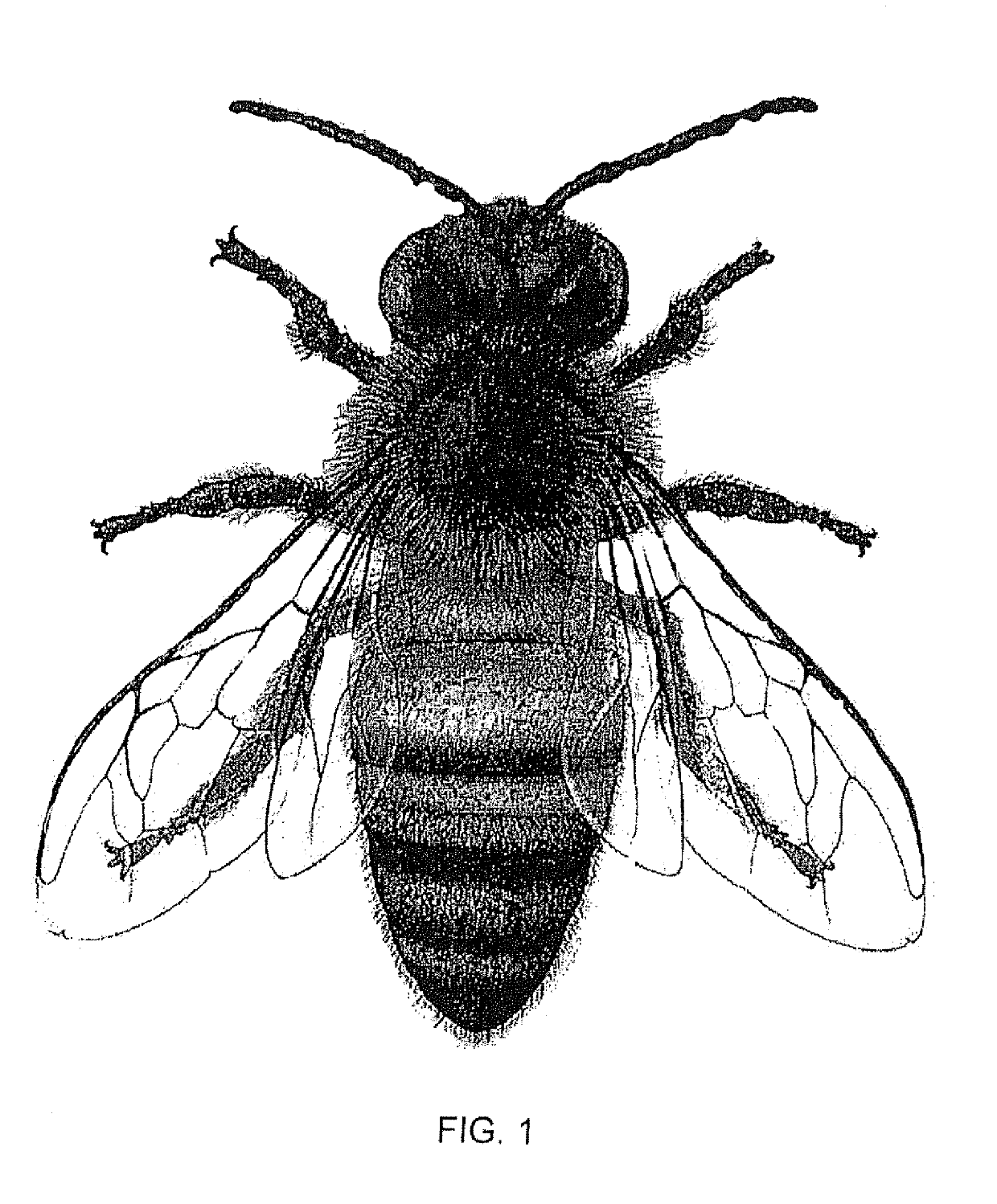
Overwhelming evidence now suggests that numerous wild and managed bee populations are in decline.
In the last 20 years, the bee-keeping sector registered very consistent losses worldwide, in terms of bee numbers and productivity.
Recently, queen failure has been proposed to be a major driver of managed
honey bee colony losses.
Common microbial pathogens appear to be major threats to
honey bees, while sublethal doses of
pesticide may enhance their deleterious effects on
honey bee larvae and adults.
Nevertheless,
pesticide use is still a controversial issue and is at the regulatory forefront in most countries.
Neonicotinoids are suspected to
pose an unacceptable risk to bees, partly because of their systemic uptake in plants.
The
neonicotinoid class of chemical pesticides has recently received considerable attention because of potential risks it poses to
ecosystem functioning and services.
Sub-lethal doses of neonicotinoids have been shown to negatively
impact the health of honeybees.
Neonicotinoid pesticides, at levels shown to occur in the wild, interfere with the learning circuits in the bee's brain.
Disruption in this important function has profound implications for honeybee colony survival, because bees that cannot learn will not be able to find food.
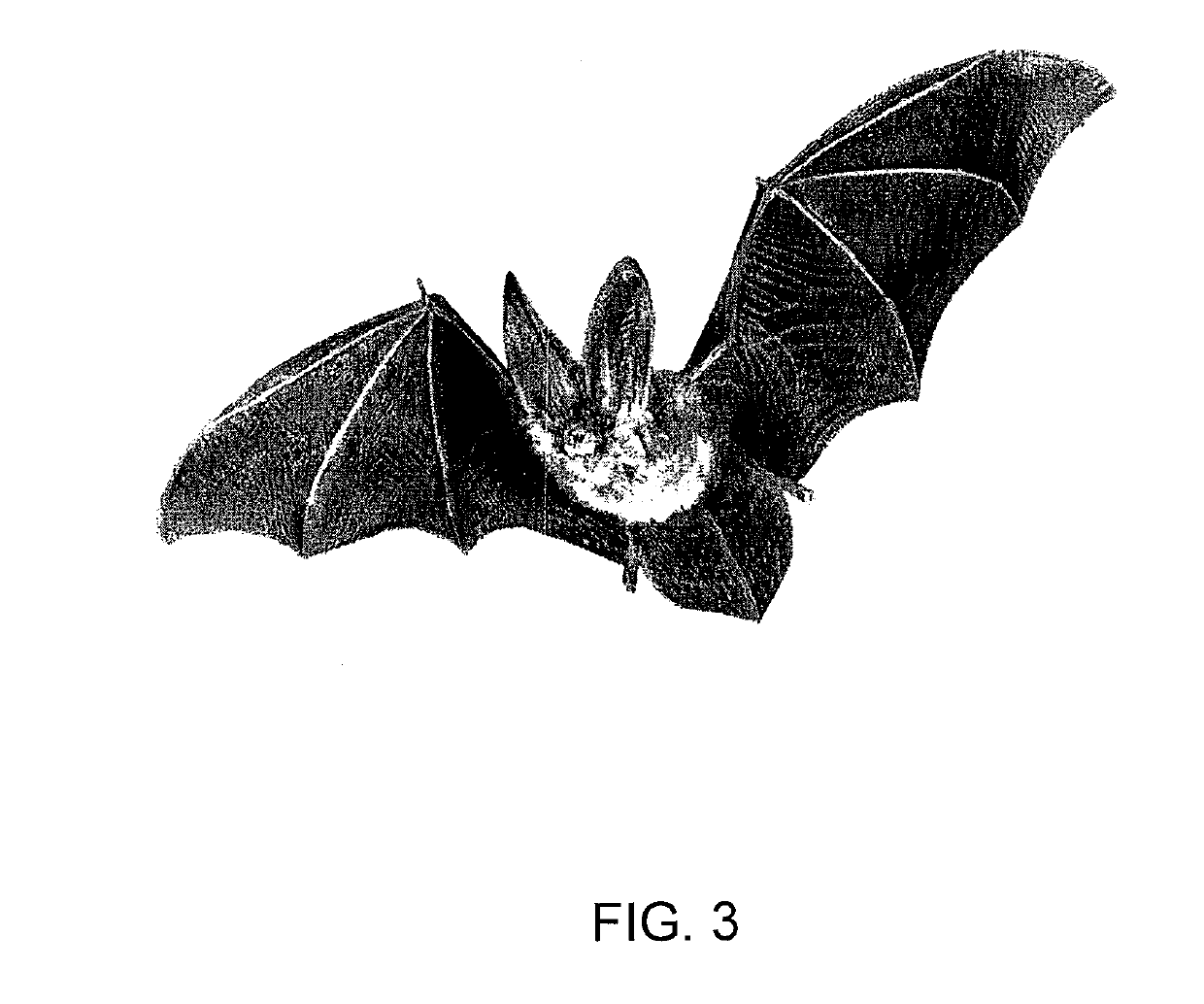
Bats in torpor experience reduced immune function, thus potentially compromising their ability to combat WNS.
Bats may be more susceptible than other mammals to the effects of low doses of bioaccumulative contaminants due to their annual life cycles, requiring significant fat deposition followed by extreme fat depletion during
hibernation or migration, at which time contaminants may be mobilized into the brain and other tissues.
Sub-lethal doses of neonicotinoids can disrupt pollinators' cognitive abilities, communication and
physiology.
Neonicotinoids also have harmful synergistic impacts on pollinators in combination with other chemicals in the field, compounding their effects.
In addition to their
toxicity, neonicotinoids persist in plants much longer than most other insecticides, thereby compounding their
impact on pollinators.
The ramifications of the
elimination of such an important
pollinator, such as the bat, will have tremendous and as yet unforeseen negative effects on the environment.
A need for a treatment is therefore long felt and unsolved.
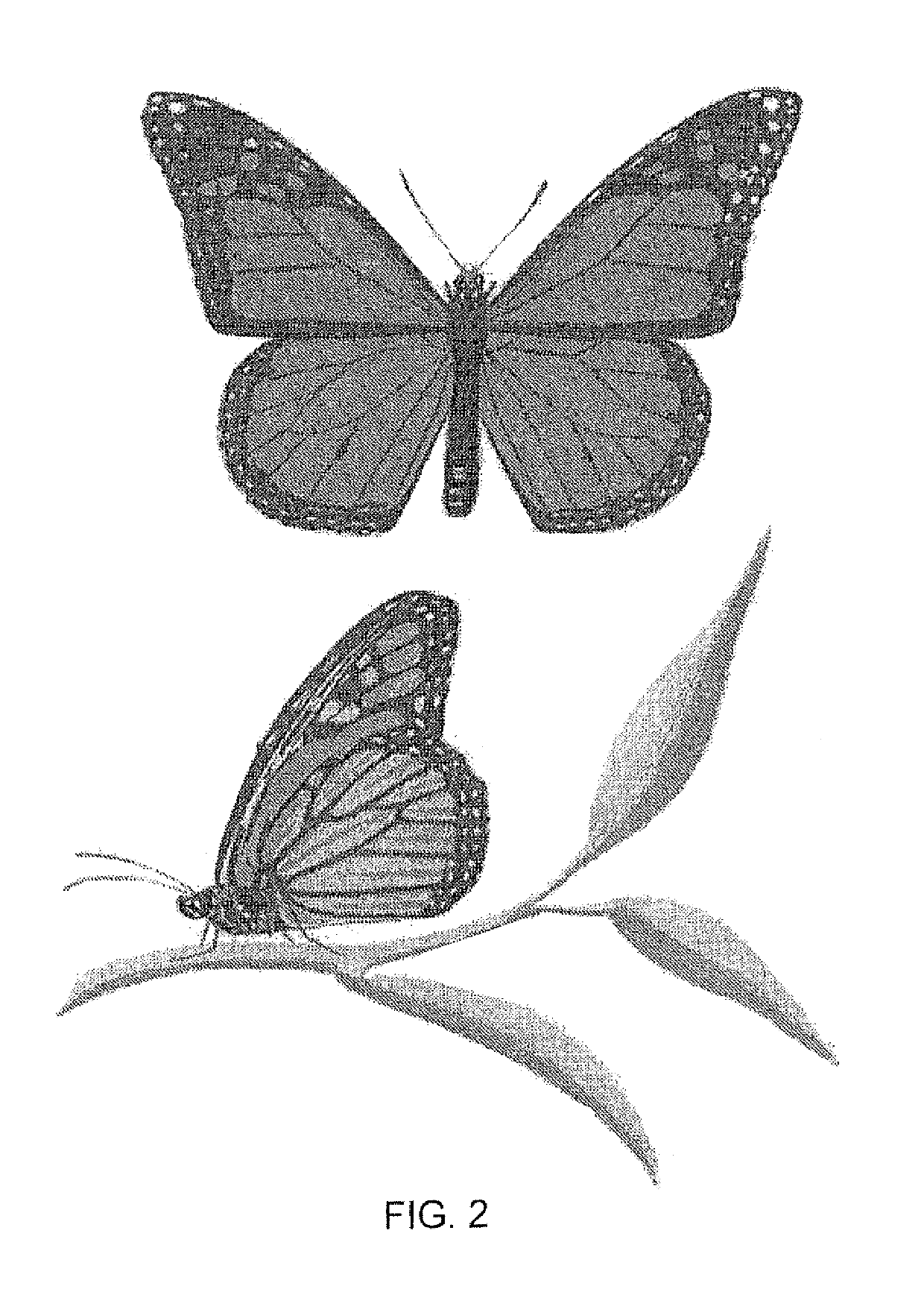
Unlike other butterflies that can overwinter as larvae, pupae, or even as adults in some species, monarchs cannot survive the cold winters of northern climates.
As shown by a report from a
task force of the International Union of Nature Conservation based in Switzerland, neonicotinoids, such as
clothianidin (Bayer), are a particular
hazard because, unlike most pesticides, they are soluble molecules.
The ramifications of the
elimination of the monarch butterfly will have tremendous and as yet unforeseen negative effects on the environment.
A need for a treatment is therefore long felt and unsolved.



 Login to View More
  Login to View More