Inconsistent speed, accuracy and customer experience, which can occur throughout the traditional drive-thru process,
pose unique challenges for corporate planners.
Miscommunications due to language barriers, speaker or
microphone malfunction, or just plain poor attitudes can combine to create a very unpleasant customer experience.
This traditional drive-thru
system has inherent inefficiency of wait time in the interaction process.
However, this method results in having more attendants with the three windows and relevant
building construction cost.
This method is also not easily adaptable to the other type of drive-thru interaction process than that of the quick-service restaurant.
While they have interesting and versatile approaches to the drive-thru process, the customers in the vehicle need to have mobile access to the network, which could require extra cost and burden to the customer.
Unless enough people within the local area have mobile access to the network mentioned in the U.S. Pat. No. 6,026,375 of Hall et al., there is a possibility that the network might not be utilized.
Also, signals of mobile access, such as
cell phones, weaken, depending upon the location,
weather condition, etc.
Finally, since the interface is not natural (i.e., the user has to select from a large menu using the alpha-
numeric keypad), there are issues of
delay.
While this approach tries to improve the drive-thru interaction using the
video communication system in addition to the conventional voice only drive-thru system, allowing the customer to maintain eye-to-eye
visual contact with the attendant located within the restaurant, the approach is still not able to solve the delay of
interaction problem for the plurality of customers and vehicles.
While the suggested method increases the
throughput of the interaction process, it also results in hiring more attendants or order-takers for each
station, thus increasing labor costs.
However, these systems result in maintenance and
hygiene issues since the drivers touch the system physically.
The touch-screen display is fixed and, therefore, cannot adapt to the various sizes of vehicles and
arm lengths of people.
This would be devastating to the fast food drive-thru industry with the increase in order time alone.
This also causes difficulty in parking the vehicle, as it needs to be close to the system as possible in order for the driver to be able to touch the screen, stretching the hand to the device.
This is ergonomically inappropriate because it is not only uncomfortable to the driver but also could cause damage to the system.
If the driver has to step out of the vehicle to use the automatic systems, this will result in more delay and inconvenience to the customer.
Other solutions include a device that the user can put inside the vehicle, such as a keypad, or track ball; however, these also involve disadvantages of hygienic issues and durability.
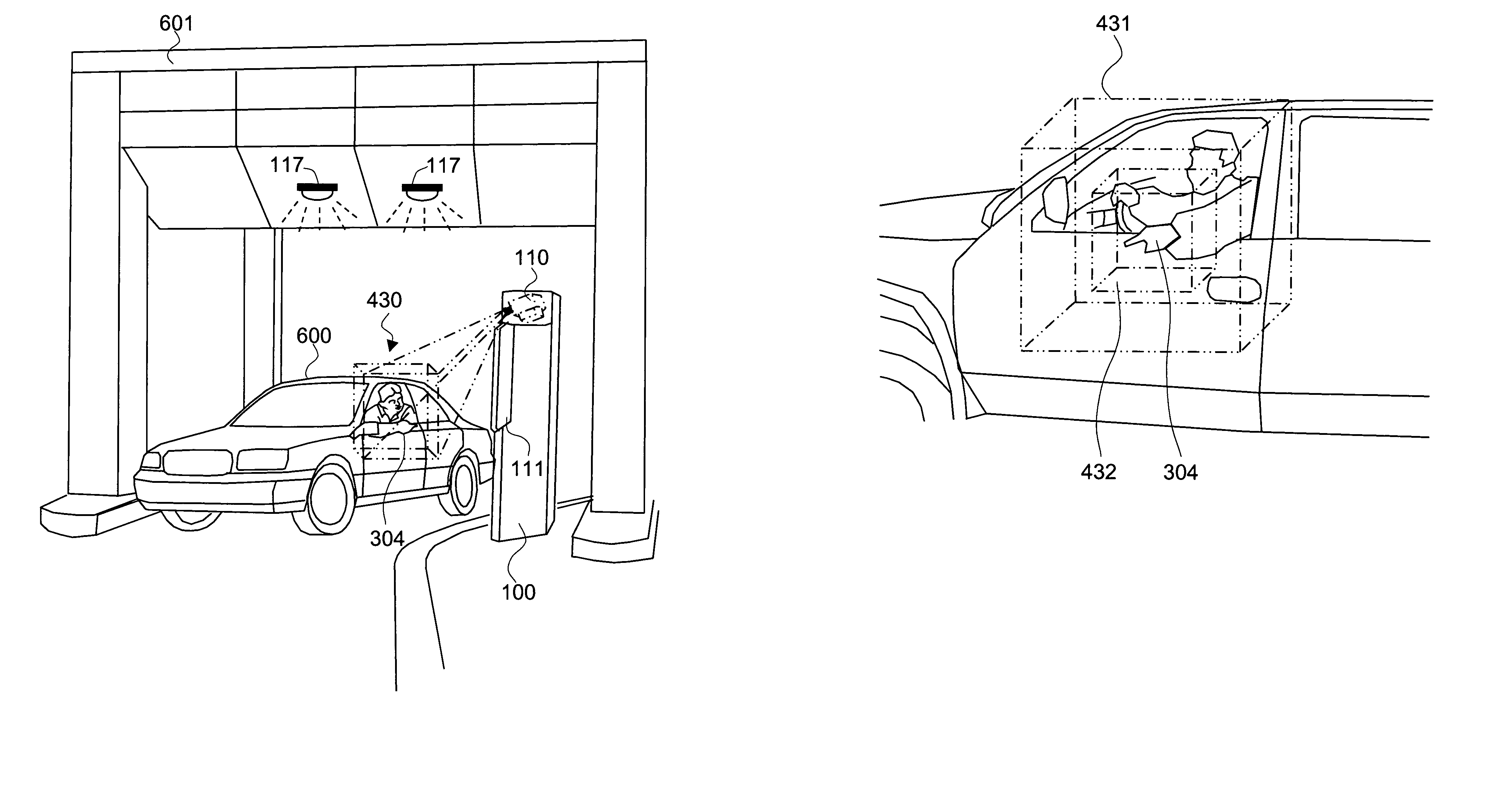
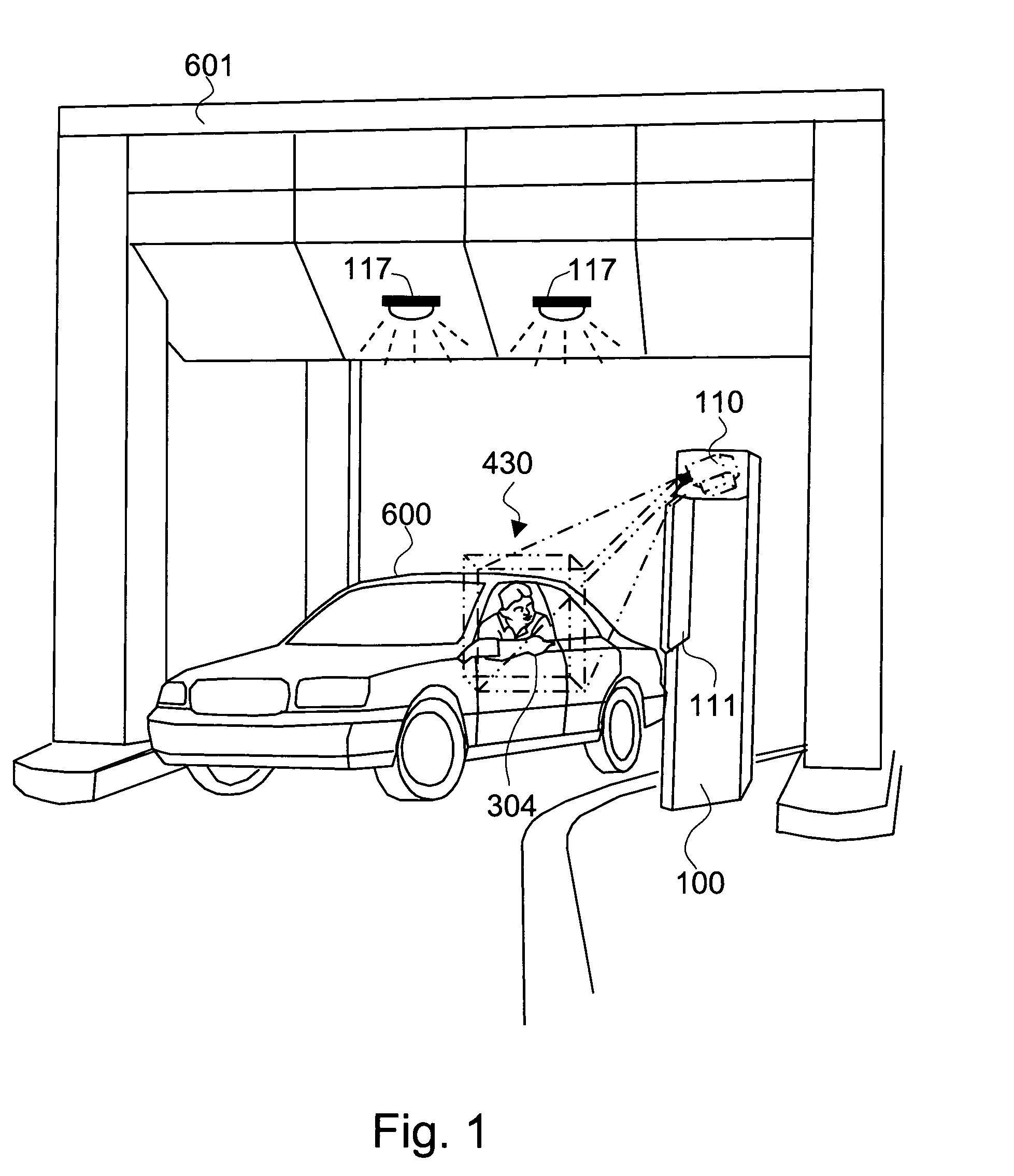
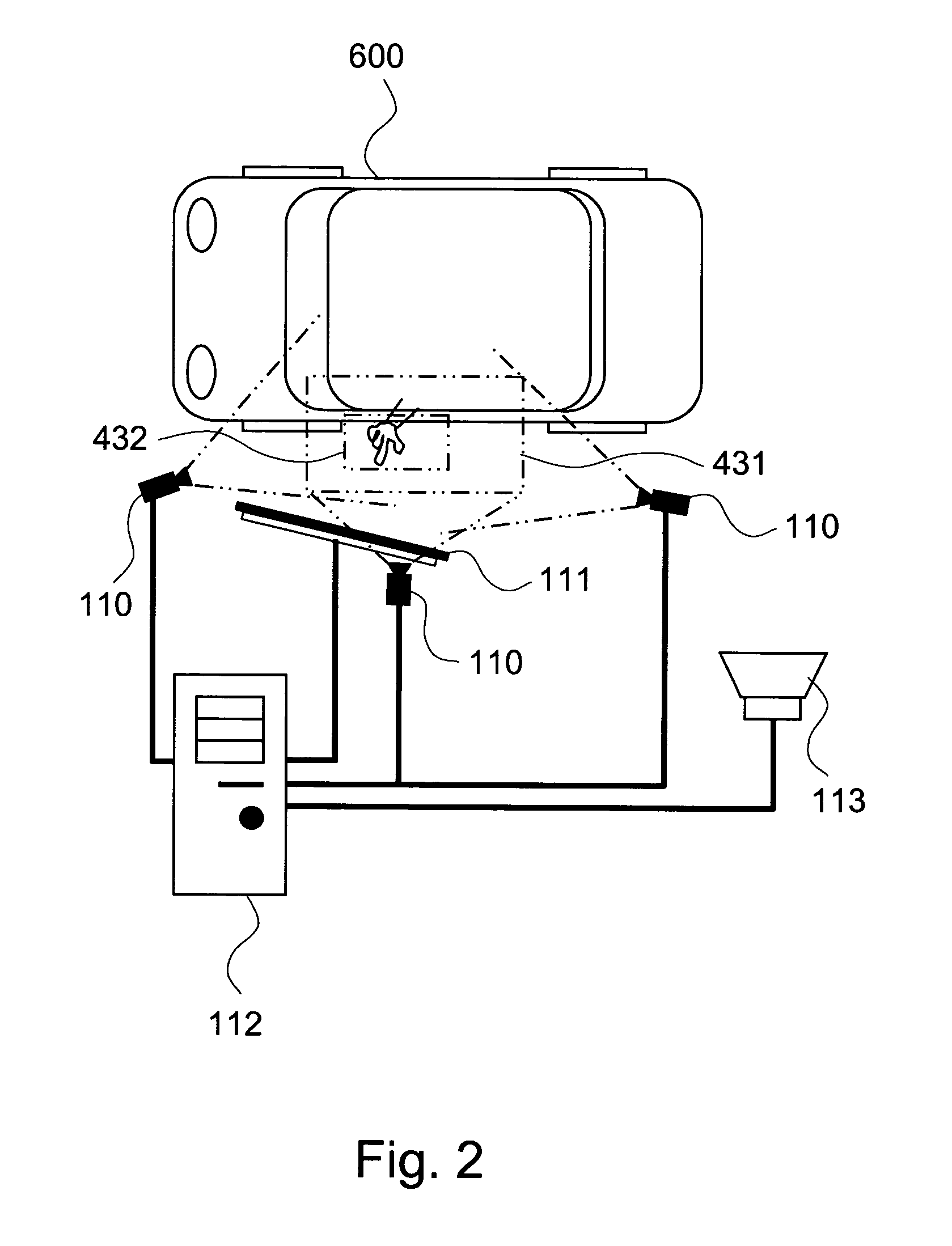
However, in most cases, the driver will feel comfortable in interacting with the VTOS within the optimal interaction volume because of the physical limitation in the
range of movement a driver can reach with his or her hand.


 Login to View More
  Login to View More