
Robust state estimation method in electric power system based on exponential type objective function
A technology of robust state estimation and objective function, applied in information technology support systems, calculations, electrical components, etc., can solve problems such as complex calculations, objective functions that are not continuous and differentiable, and few practical applications
Patent Information
- Authority / Receiving Office
- CN · China
- Patent Type
- Applications(China)
- Current Assignee / Owner
- Publication Date
- 2009-12-09
- Estimated Expiration
- Not applicable · inactive patent
Smart Images
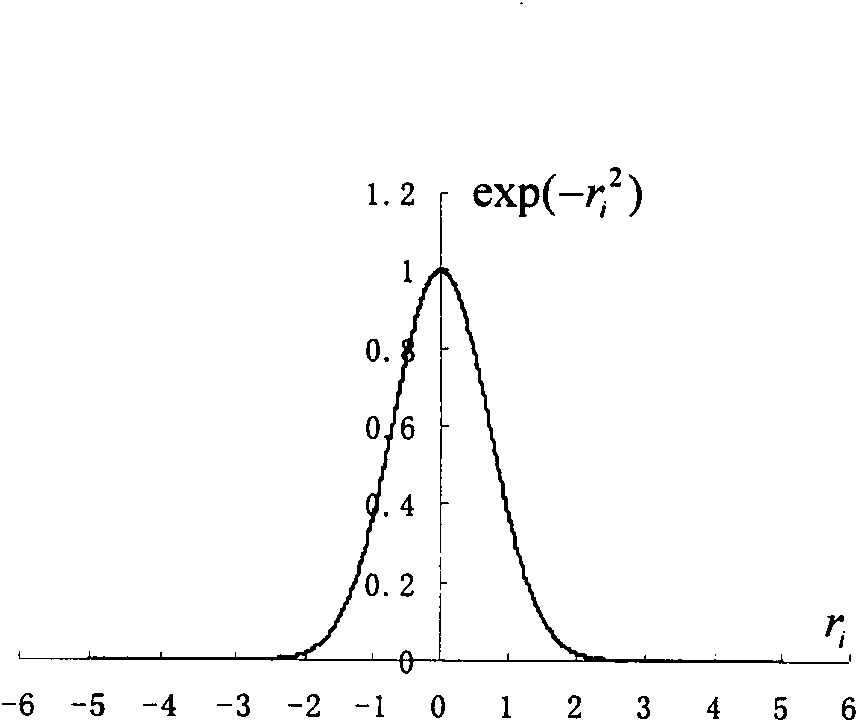
Figure 1 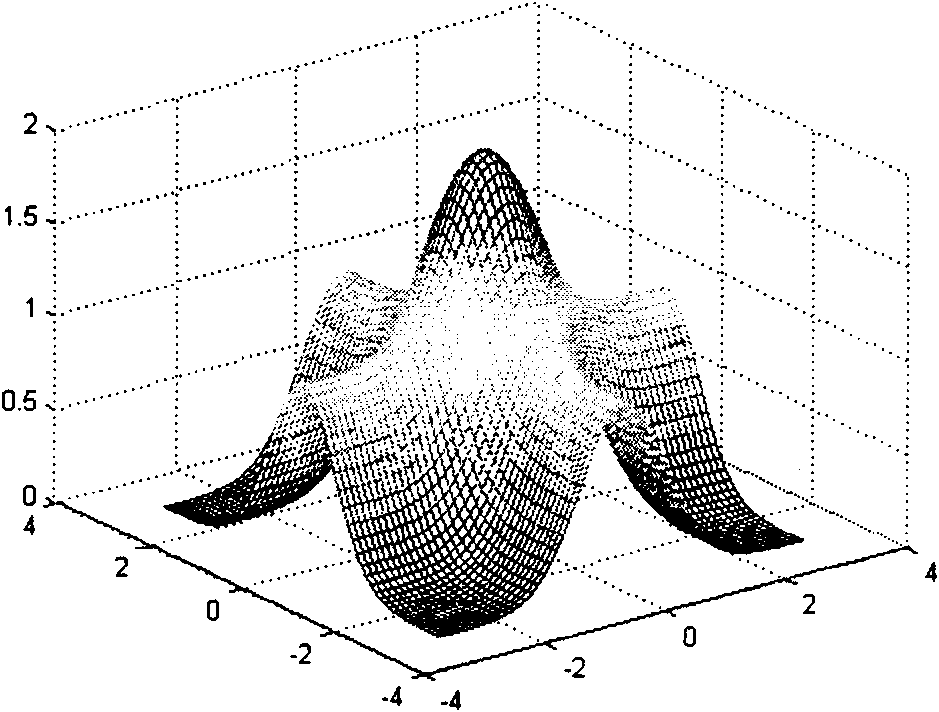
Figure 2 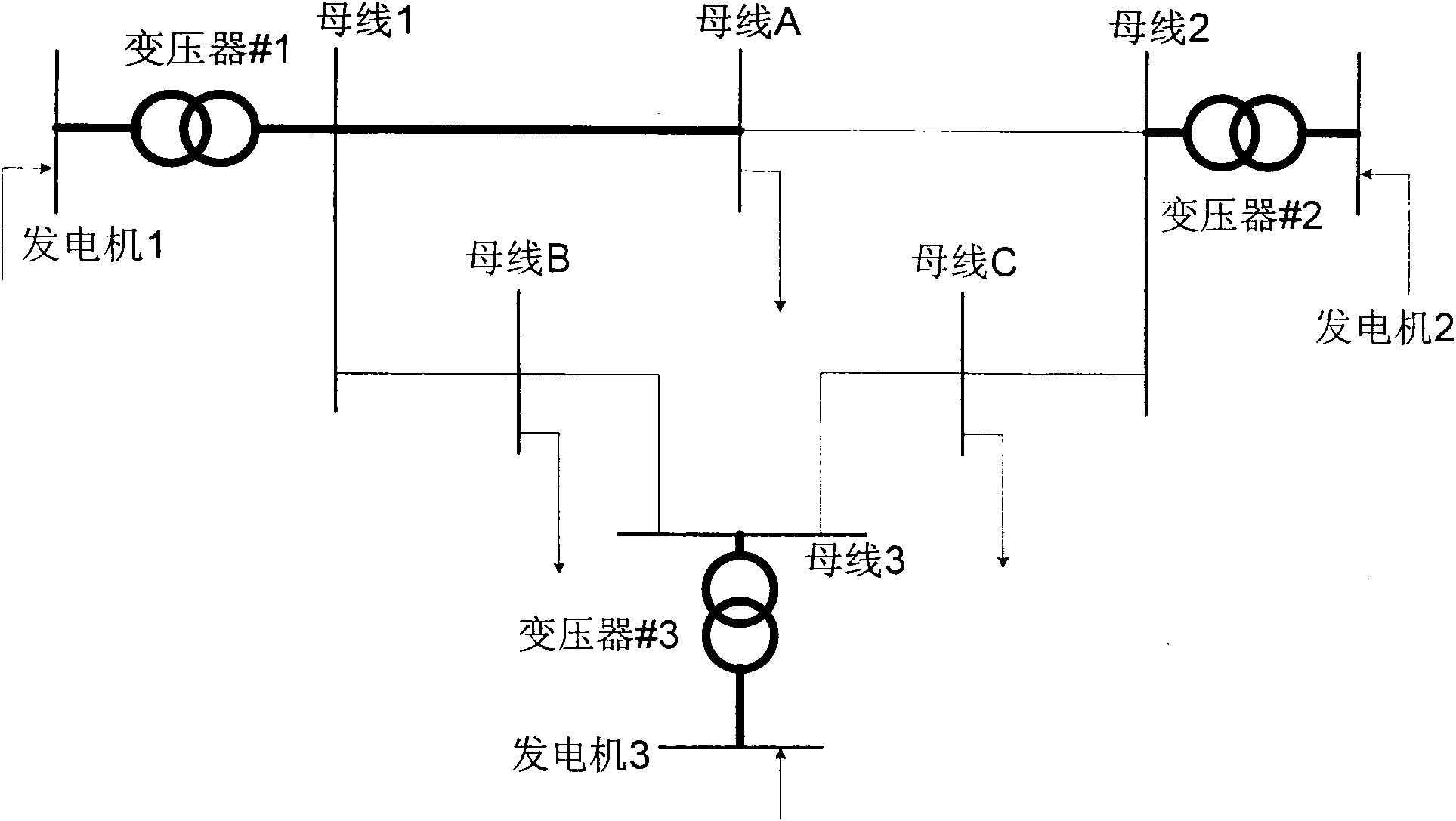
Figure 3
Abstract
Description
technical field
[0001] The invention relates to a power system tolerance state estimation method based on an exponential objective function, and belongs to the technical field of power system scheduling automation and power grid simulation. Background technique
[0002] State estimation is the basic function of the energy management system, which estimates the operating state of the power grid by using the actual measurement data and the parameters of the power grid model. The most widely used state estimation method is the weighted least squares method. When the measurement error distribution is a normal distribution without gross error, it can be proved that when the measurement weight of the weighted least squares method state estimation algorithm is the reciprocal of the measurement variance, the weighted least squares method state estimation is a maximum likelihood estimation. However, the least squares method is not resistant to error, that is, when bad data (gross er...
Examples
Embodiment Construction
[0044] The robust state estimation method proposed by the present invention comprises the following steps:
[0045] (1) Establish a state estimation model based on an exponential objective function, the objective function of which is continuously differentiable. The one and two measurement objective function distributions are respectively as figure 1 with figure 2 As shown, when the measurement residual is greater than 2, the objective function is close to 0, so the measurement of bad data basically has no effect on the objective function. And when the measurement residual is small, its objective function is close to 1.
[0046] max J ( X ) = Σ i exp ( - 1 R ii ( z i ...