

Hip joint torque measuring system
A technology of torque measurement and hip joints, applied in diagnostic recording/measurement, medical science, sensors, etc., to improve curative effect, reduce postoperative dislocation rate, and increase stability
Patent Information
- Authority / Receiving Office
- CN · China
- Current Assignee / Owner
- Publication Date
- 2015-04-08
- Estimated Expiration
- Not applicable · inactive patent
Smart Images
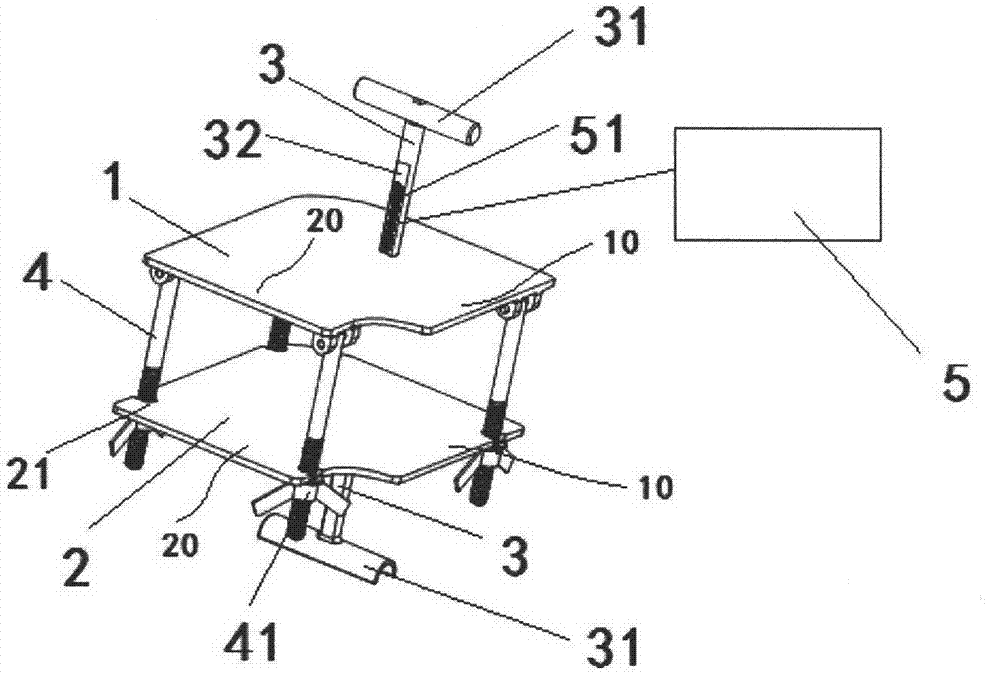
Figure 1 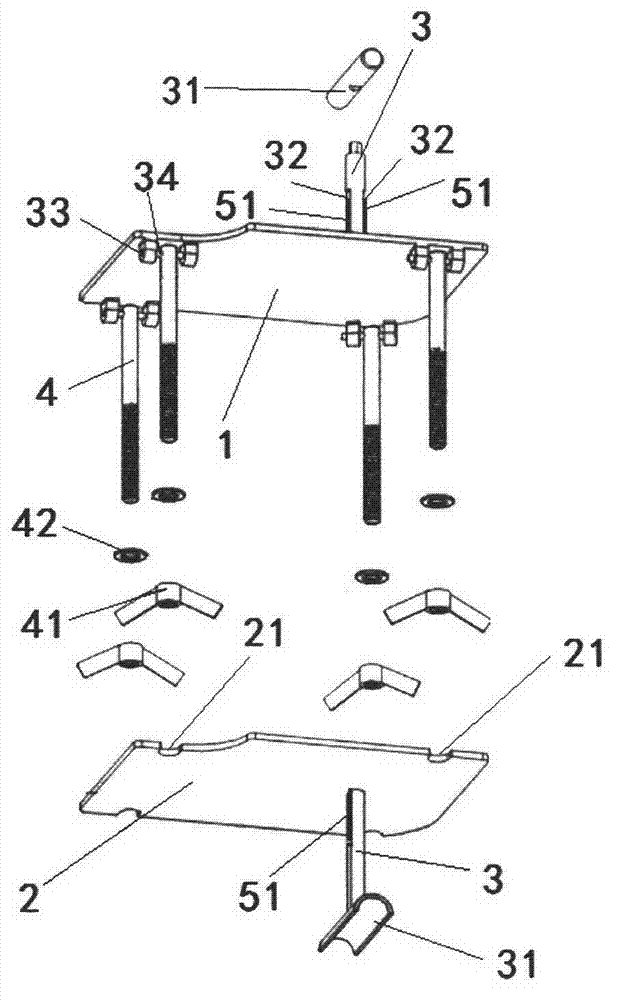
Figure 2 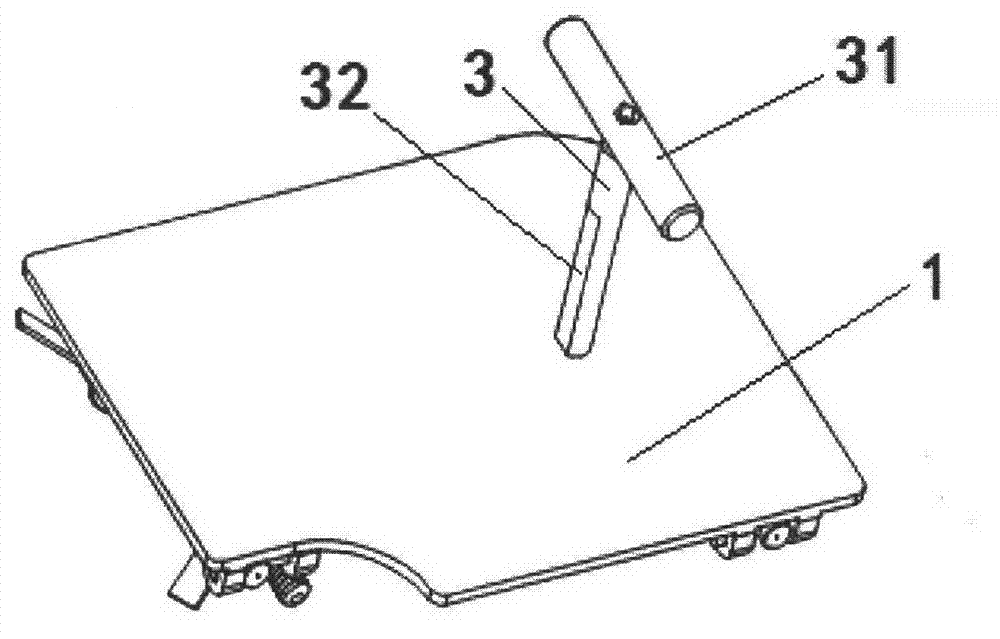
Figure 3
Abstract
Description
technical field
[0001] The invention relates to a hip joint torque measurement system, which belongs to the technical field of hip joint torque measurement. Background technique
[0002] At present, the most commonly used posterolateral approach has many advantages in hip replacement surgery, such as less soft tissue damage, simple operation, clear acetabulum exposure, better protection of abductor muscles, low incidence of heterotopic ossification, The postoperative recovery is good, etc., which makes the posterolateral approach more and more widely used. However, compared with other surgical approaches, the rate of joint dislocation after posterolateral approach is relatively high.
[0003] Various repair and evaluation methods in the prior art usually artificially limit the patient's body position and range of motion after the operation. Postoperative rehabilitation has the disadvantages of long time and slow effect, which not only brings pain to the patient, but also t...
Examples
Embodiment
[0038] This embodiment provides a hip joint torque measurement system, such as Figure 1-6 As shown, it includes a fixing device suitable for being fixed on the limb connected with the hip joint to be tested, a strain device fixedly connected with the fixing device, the strain device is exerted force and rotates the limb through the fixing device, and Further, when the femur covered by the limb rotates around the axis of the femur, a uniform strain can be generated, and the measuring device 5 for determining the strain amount of the strain device can be generated.
[0039] The fixing device includes a first fixing plate 1 and a second fixing plate that can be fixedly clamped on the left and right sides of the knee joint connected to the limb through a connecting structure, and at the same time clamp a part of the thigh part and the calf part connected to the knee joint. Two fixing plates 2 are used to ensure that the rotation angle of the fixing device is synchronized with the...