Ultralow-temperature moulding device and method for aluminum and lithium alloy complex curved-surface thin-walled components

A technology for complex curved surface and thin-walled components, applied in forming tools, metal processing equipment, manufacturing tools, etc., can solve problems such as uneven deformation and local stress concentration, difficulty in controlling shape and size, increase material strength, etc., and achieve refrigeration temperature Wide range, reduced thinning and local wrinkling, and improved formability

CN110722043APending Publication Date: 2020-01-24CENT SOUTH UNIV
0 Cites 8 Cited by

Patent Information

Authority / Receiving Office
CN · China
Current Assignee / Owner
Publication Date
2020-01-24

Smart Images

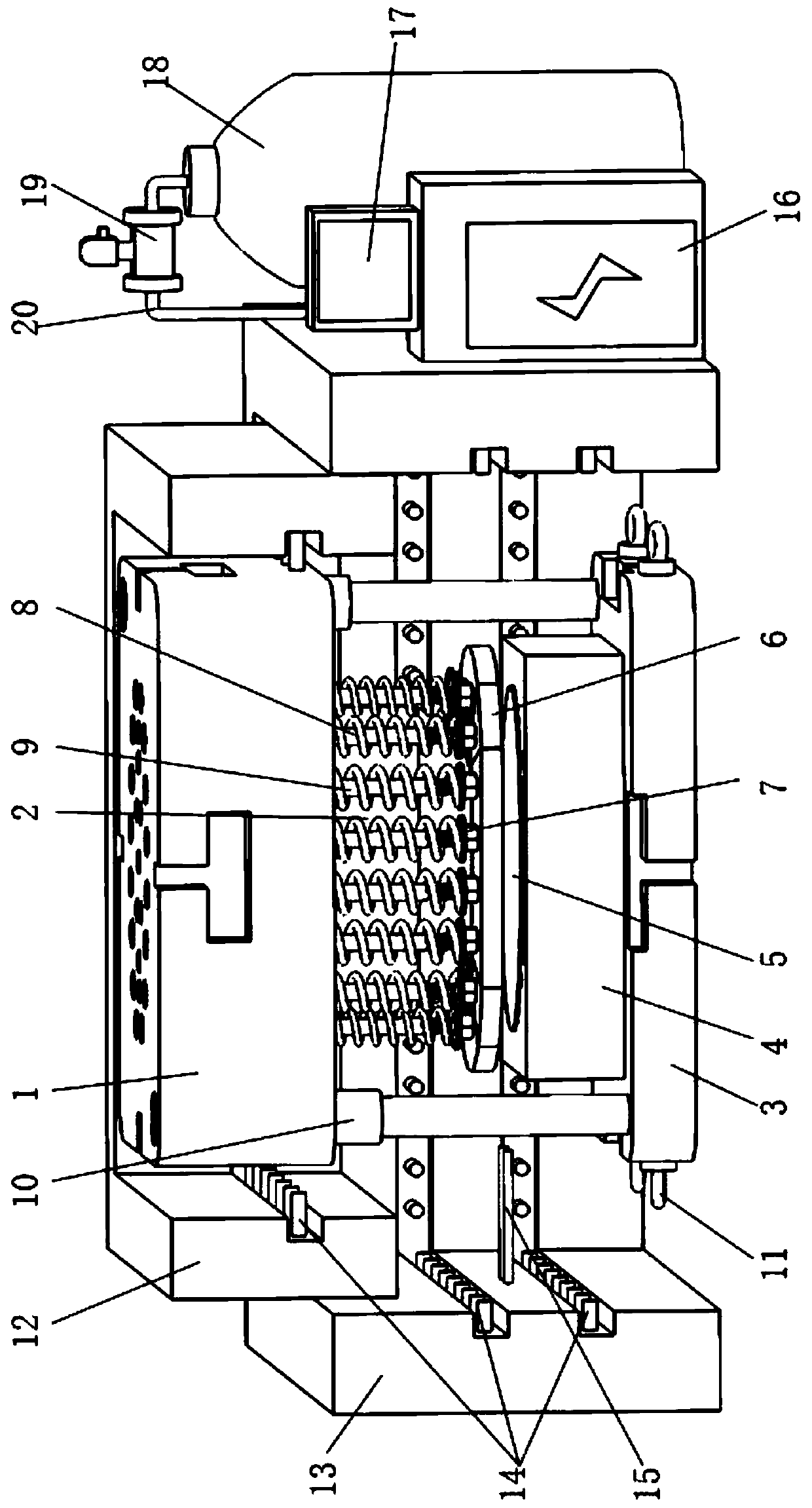
  • Figure 1
    Figure 1
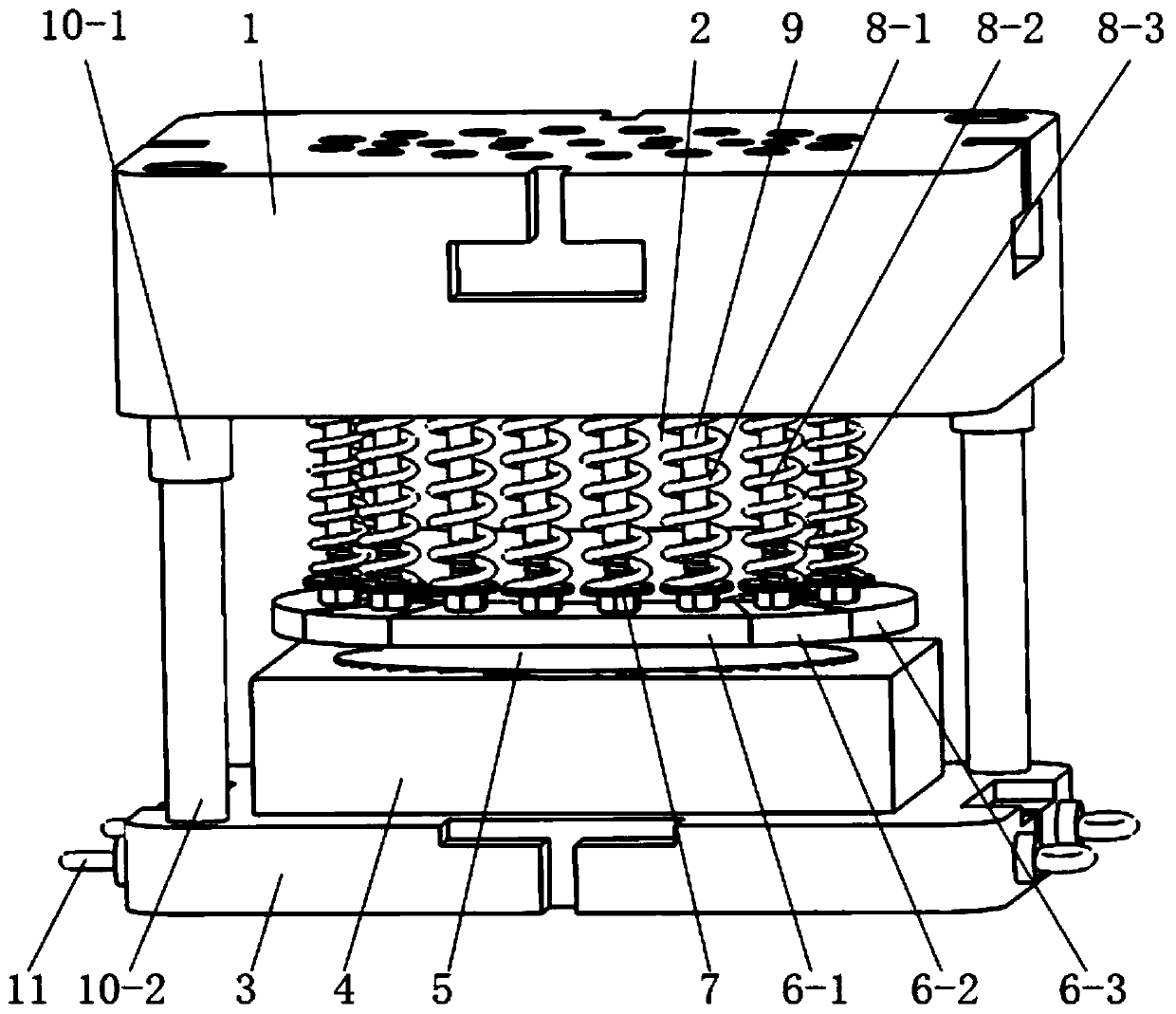
  • Figure 2
    Figure 2
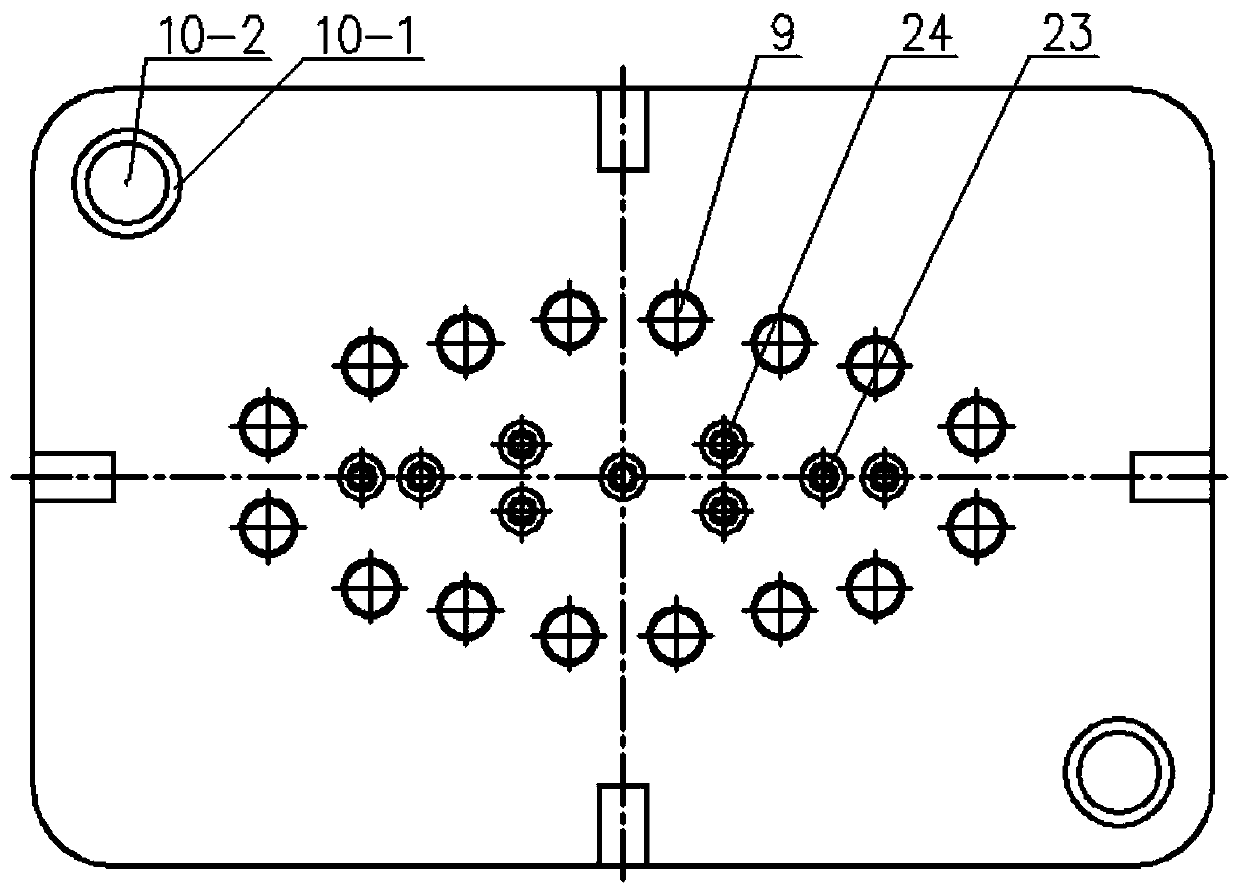
  • Figure 3
    Figure 3
Patent Text Reader

Abstract

The invention discloses an ultralow-temperature moulding device and method for aluminum and lithium alloy complex curved-surface thin-walled components. The moulding device comprises a copious coolingtank, a control cabinet, a liquid nitrogen container, a solenoid valve group, a male mould, a female mould, a temperature detector and an edge pressing device; the male mould, the female mould, the temperature detector and the edge pressing device are arranged in the copious cooling tank; the solenoid valve group is arranged on a pipeline which connects the liquid nitrogen container and the copious cooling tank; the solenoid valve group and the temperature detector are both electrically connected to the control cabinet; the edge pressing device is arranged to be capable of pressing a plate blank between the male mould and the female mould; and a tank door is arranged on the copious cooling tank. By adopting a cooling device of the ultralow-temperature moulding device, temperature can be maintained unchanged at any temperature between 0 DEG C to minus 180 DEG C during a moulding process; an ultralow-temperature energy field is provided for the moulding process, so that moulding capability of aluminum and lithium alloy thin plates is greatly improved; deforming is more uniform; thinning and partial corrugating during the moulding process are reduced; and breakage of the components during the moulding process is avoided.
Need to check novelty before this filing date? Find Prior Art

Description

technical field

[0001] The invention belongs to the technical field of plate forming, in particular to an ultra-low temperature forming device and method for an aluminum-lithium alloy complex curved surface thin-walled component. Background technique

[0002] As one of the six key technologies of aerospace manufacturing, the manufacture of thin-walled parts has always been the focus and difficulty of aerospace structural parts research. Aircraft thin-walled components account for more than 50% of the weight of the whole aircraft structure, need to bear complex loads, and need to meet the service performance requirements of high reliability and long life. For fighter jets, a large number of light-weight and thin-walled parts with excellent performance can further increase the cruising distance and the number of bombs attached to the fighter jets, and improve the combat capabilities of fighter jets. The forming of wall parts places extremely high demands. With the developmen...

Examples

Embodiment Construction

[0034] The embodiments of the present invention will be described in detail below with reference to the accompanying drawings, but the present invention can be implemented in many different ways defined and covered by the claims.

[0035] Such as Figure 1-5 As shown, the present invention discloses an ultra-low temperature forming device for aluminum-lithium alloy complex curved surface thin-walled components, including an upper template 1, a lower template 3, a punch 2, a concave mold 4, a guide mechanism 10, lifting lugs 11, and adjustable parts. Blankholder structure and cooling device with variable blankholder force. Among them, the upper template 1 and the lower template 3 are respectively connected to the upper and lower working planes of the press (not shown) with bolts through T-shaped slots, and the punch 2 is installed on the upper and lower working planes through the upper positioning pin 23 and the upper hexagon socket head cap screw 24. On the template 1, the di...