

Pediatric atresia magnets
a magnet and esophageal atresia technology, applied in the field of medical devices, can solve the problems of affecting the ability of caregivers to nurture the infant, causing esophageal atresia to increase,
- Summary
- Abstract
- Description
- Claims
- Application Information
AI Technical Summary
Benefits of technology
Problems solved by technology
Method used
Image

Examples
Embodiment Construction
[0019] The invention is described with reference to the drawings in which like elements are referred to by like numerals. The relationship and functioning of the various elements of this invention are better understood by the following detailed description. However, the embodiments of this invention as described below are by way of example only, and the invention is not limited to the embodiments illustrated in the drawings. It should also be understood that the drawings are not to scale and in certain instances details have been omitted, which are not necessary for an understanding of the present invention, such as conventional details of fabrication and assembly. Additionally, it should be noted that, as used herein, the term “magnet” refers to a material that is naturally surrounded by a magnetic field and has the property of attracting iron or steel.
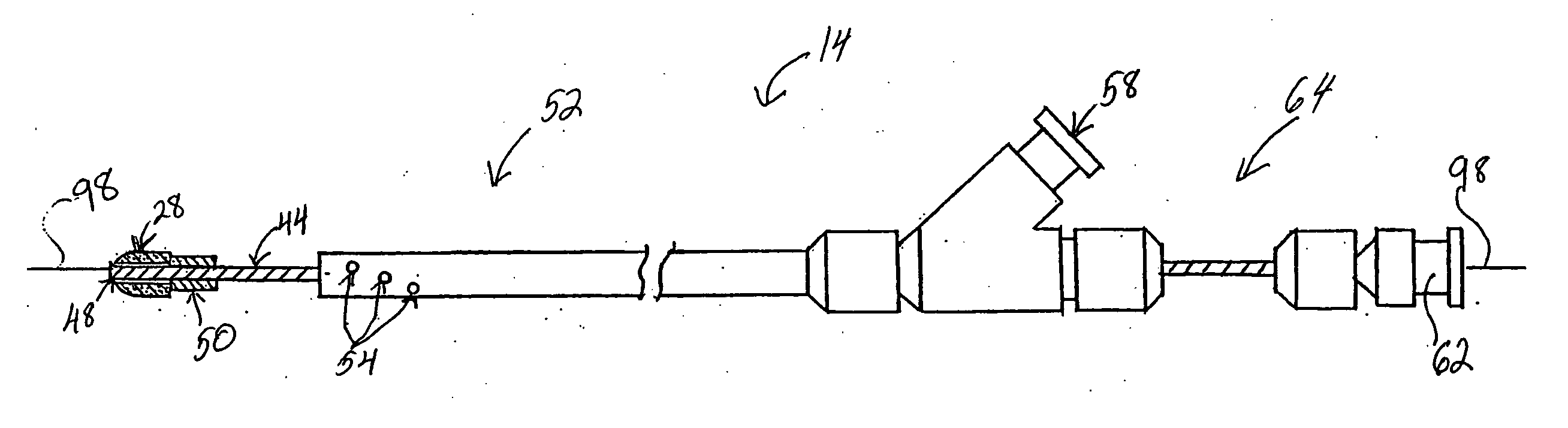
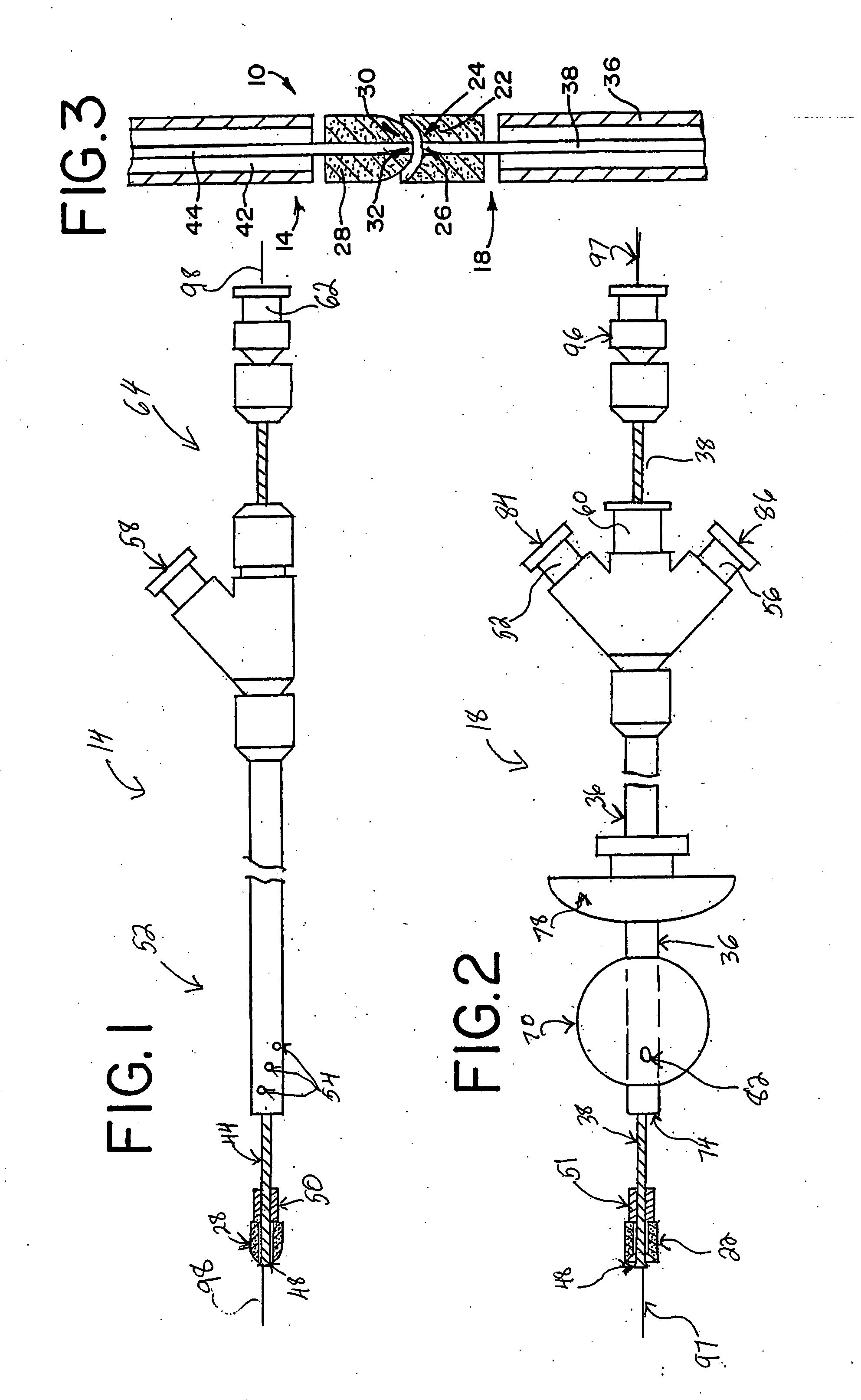
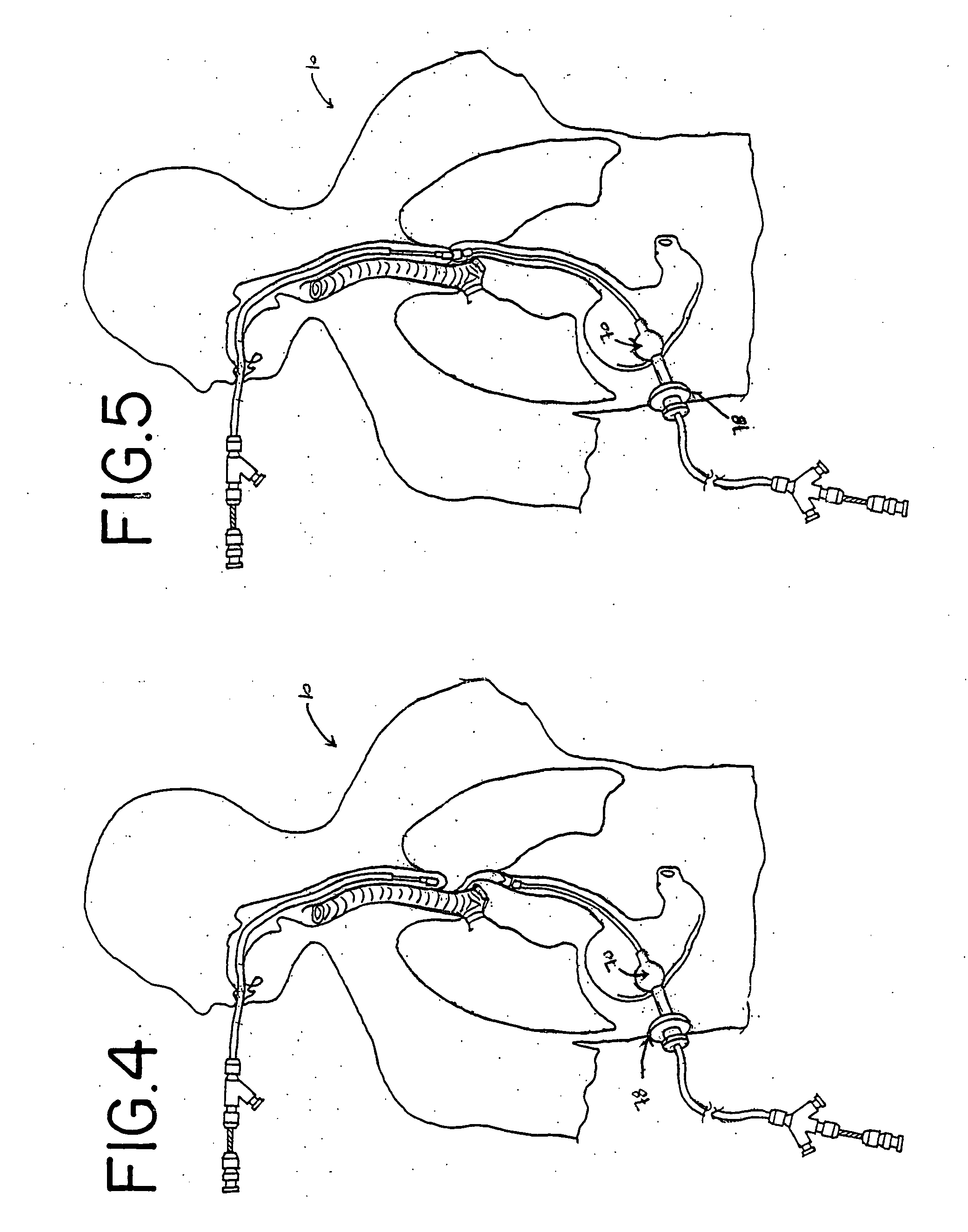
[0020] Referring to the drawings, FIGS. 1-5 depict an illustrative embodiment of the present invention. Generally, a medical syste...
PUM
 Login to View More
 Abstract
Description
Claims
Application Information
 Login to View More