
Optimized lossless data compression methods
a lossless data and compression method technology, applied in the field of lossless data compression and lossless transmission of data, can solve the problems of lossy compression, lossy system making determined sacrifices of data, general imperceptible data loss, etc., and achieve the effect of better compression and greater freedom of choice of compression procedur
- Summary
- Abstract
- Description
- Claims
- Application Information
AI Technical Summary
Benefits of technology
Problems solved by technology
Method used
Image

Examples
Embodiment Construction
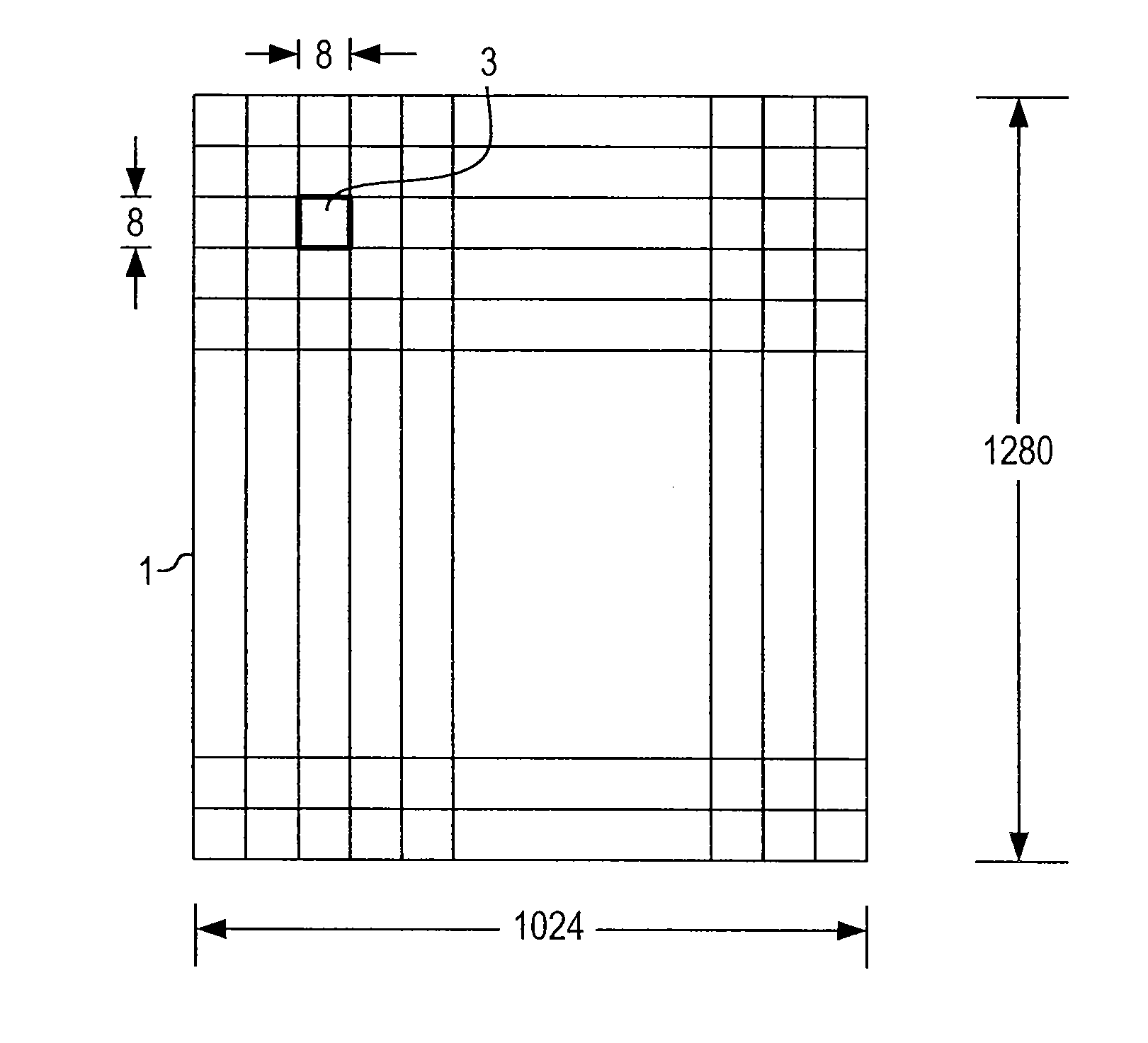
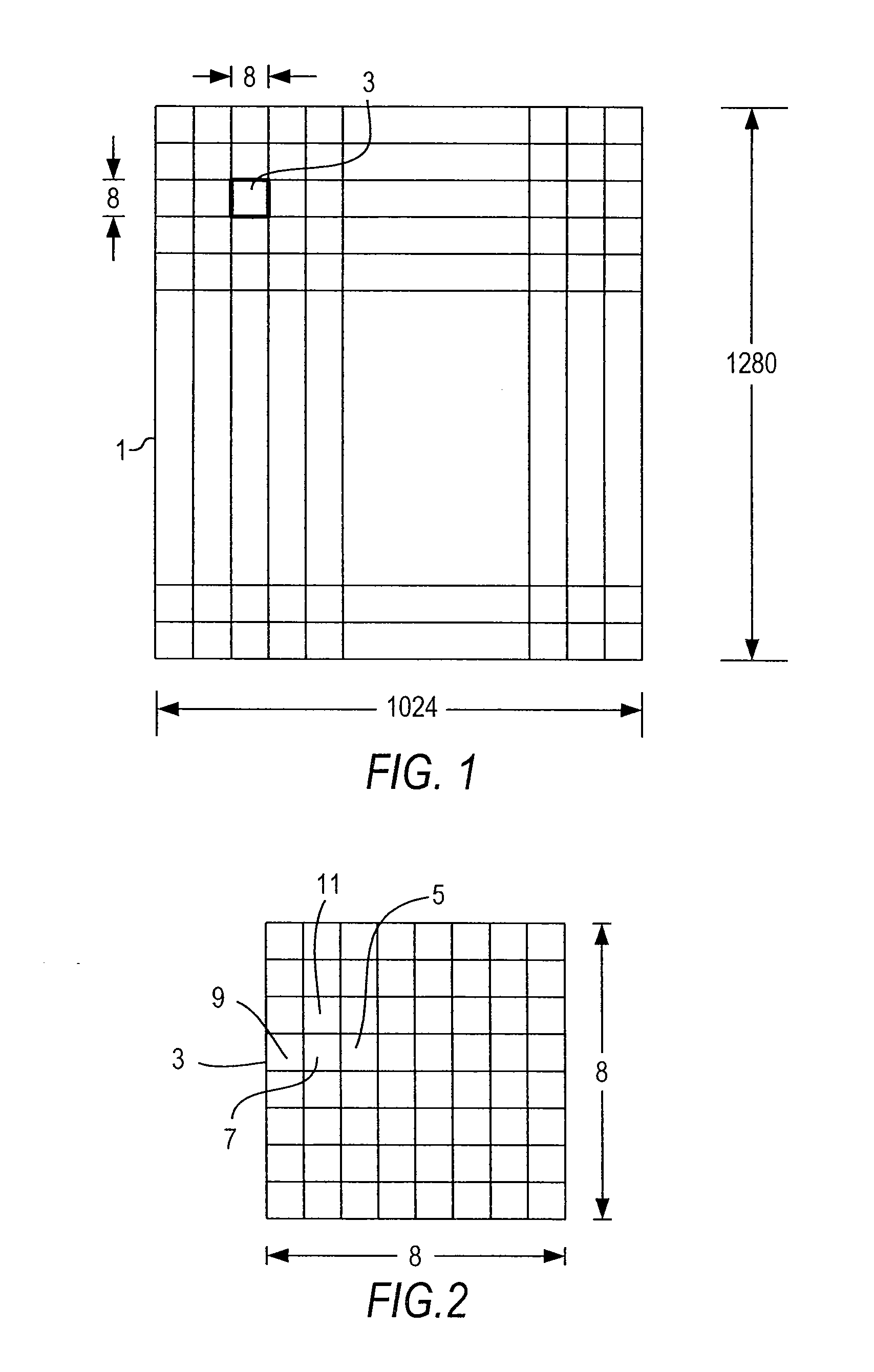
[0045] The Z algorithm for data compression is designed for the compression of raster graphics images although the invention is suitable for other data types. A raster graphics image, digital image, or bitmap, is a data file or structure representing a generally rectangular grid of pixels, or points of color, on a computer monitor, paper, or other display device. The color of each pixel is individually defined; images in the RGB color space, for instance, often consist of colored pixels defined by three planes of bytes-one byte each for red, green and blue. Less colorful images require less information per pixel; an image with only grey scale pixels only requires a single byte for each pixel, and thus a single plane; an image with only black and white requires on a single bit for each pixel. Raster graphics are distinguished from vector graphics in that vector graphics represent an image through the use of geometric objects such as curves and polygons.
[0046] A bitmap corresponds bi...
PUM
 Login to View More
 Abstract
Description
Claims
Application Information
 Login to View More