
Ultra-sensitive detection of faint fingerprints on rough surfaces and corresponding fingerprint detection kit
a fingerprint detection and ultra-sensitive technology, applied in the field of ultra-sensitive detection of faint fingerprints on rough surfaces and corresponding fingerprint detection kits, can solve the problems of latent fingerprints, difficult tasks, and difficult tasks in forensic investigation, and achieve the effects of reducing the difficulty of forensic investigation, and reducing the accuracy of forensic investigation
- Summary
- Abstract
- Description
- Claims
- Application Information
AI Technical Summary
Benefits of technology
Problems solved by technology
Method used
Image

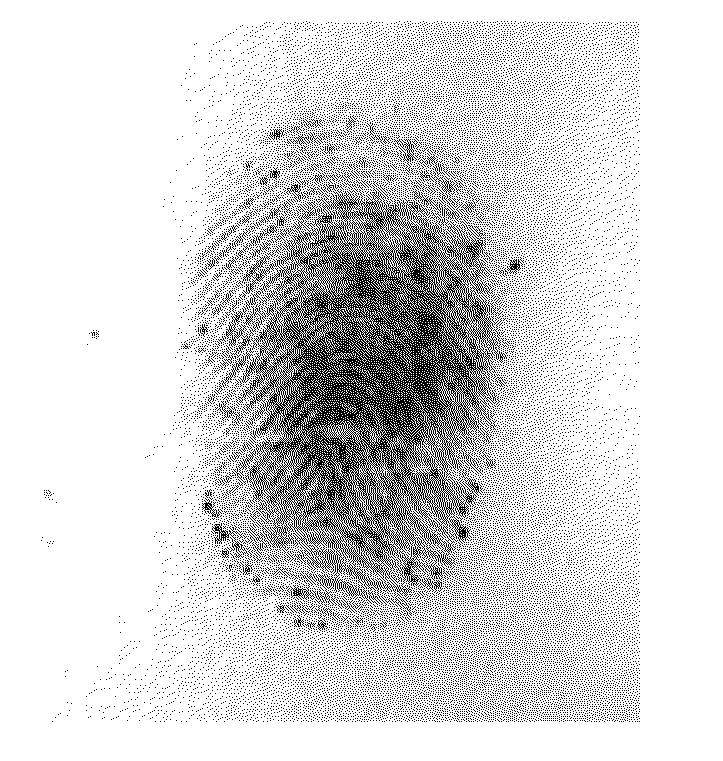
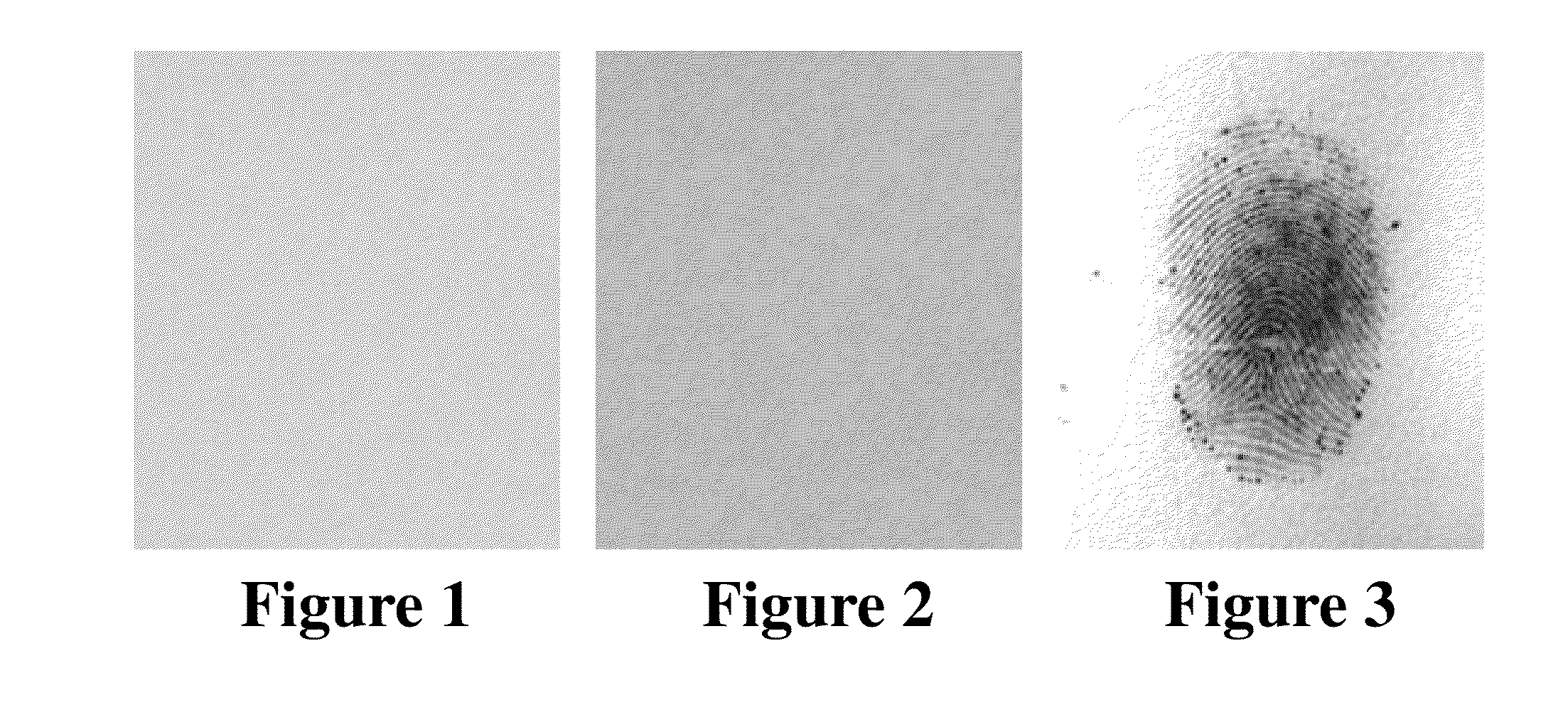
Examples
example 1
[0068]Fume the suspect surface with iodine vapors from an iodine tube for 2 minutes and immediately spray the surface with a fine mist of saturated TMB solution in 70% isopropyl alcohol (IPA). The fingerprints appear as blue lines in a few seconds. The fingerprints appear in red if a solution of 2,2′-di-methoxy-benzidine, (2,2′ DMB), is used instead of the TMB.
example 2
[0069]As in Example 1, but using bromine vapors in a fuming chamber instead of the iodine vapors.
example 3
[0070]As in Example 1, but spraying the surface with a solution of 2% tBHP in 70% IPA. Let the IPA dry for a few minutes and spray it again with a saturated solution of TMB in 70% IPA. The fingerprints appear as blue lines in a few minutes. The fingerprints appear in red if a solution of 2,2′-di-methoxy-benzidine, (2,2′ DMB), is used instead of the TMB. Irradiating the surface with a UV lamp makes the prints appear quicker.
PUM
 Login to View More
 Abstract
Description
Claims
Application Information
 Login to View More