

Isolating Lubricating Oils from Subsurface Shale Formations
a technology of lubricating oil and subsurface shale, which is applied in the direction of mechanical equipment, transportation and packaging, and well accessories, etc., can solve the problems of unreliable and reliable oil recovery, unreliable oil recovery, and unreliable oil recovery, so as to achieve more environmental protection, more economical, and more efficient in producing commercial products
Patent Information
- Authority / Receiving Office
- US · United States
- Current Assignee / Owner
- Publication Date
- 2013-11-28
- Estimated Expiration
- Not applicable · inactive patent
Smart Images
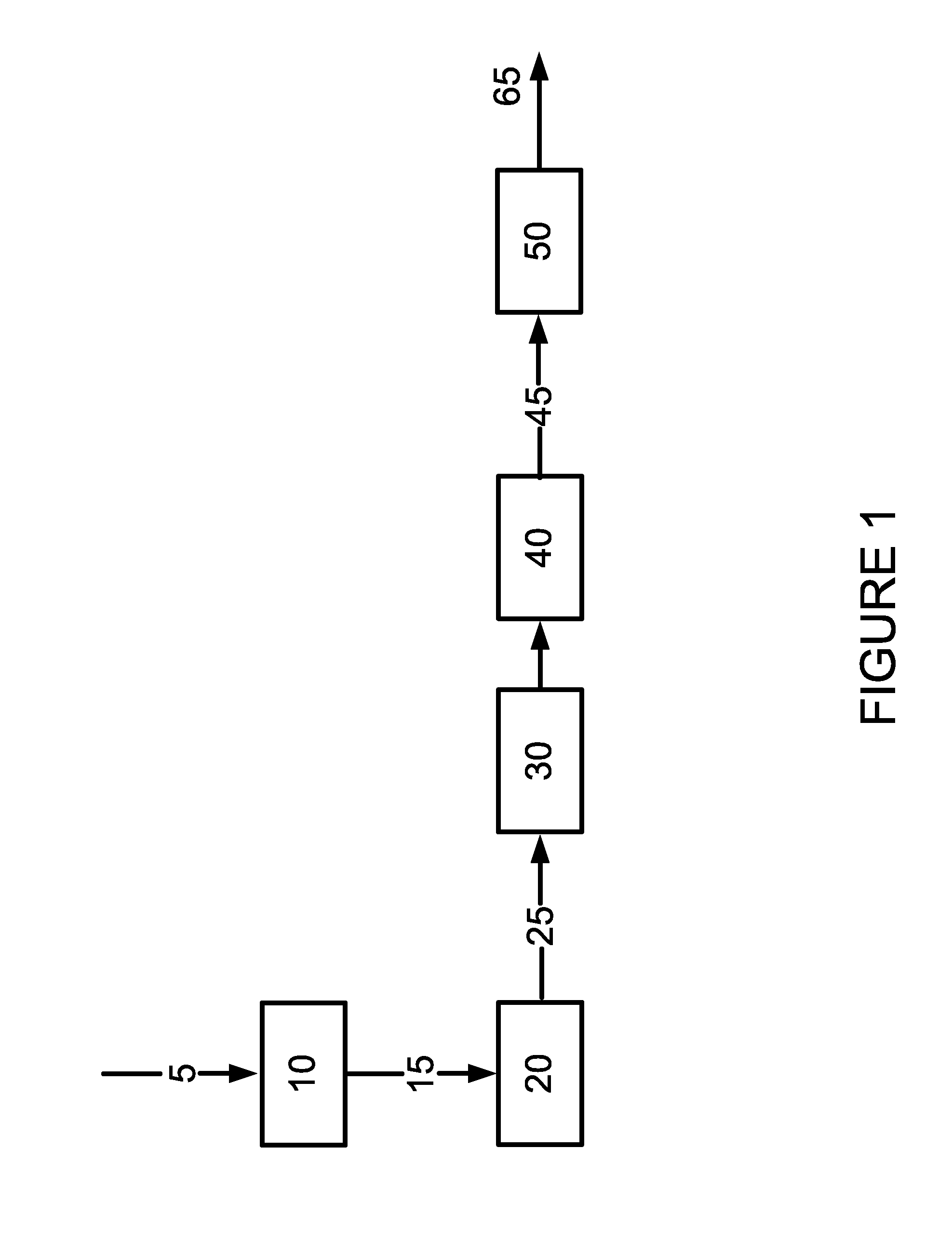
Figure 1 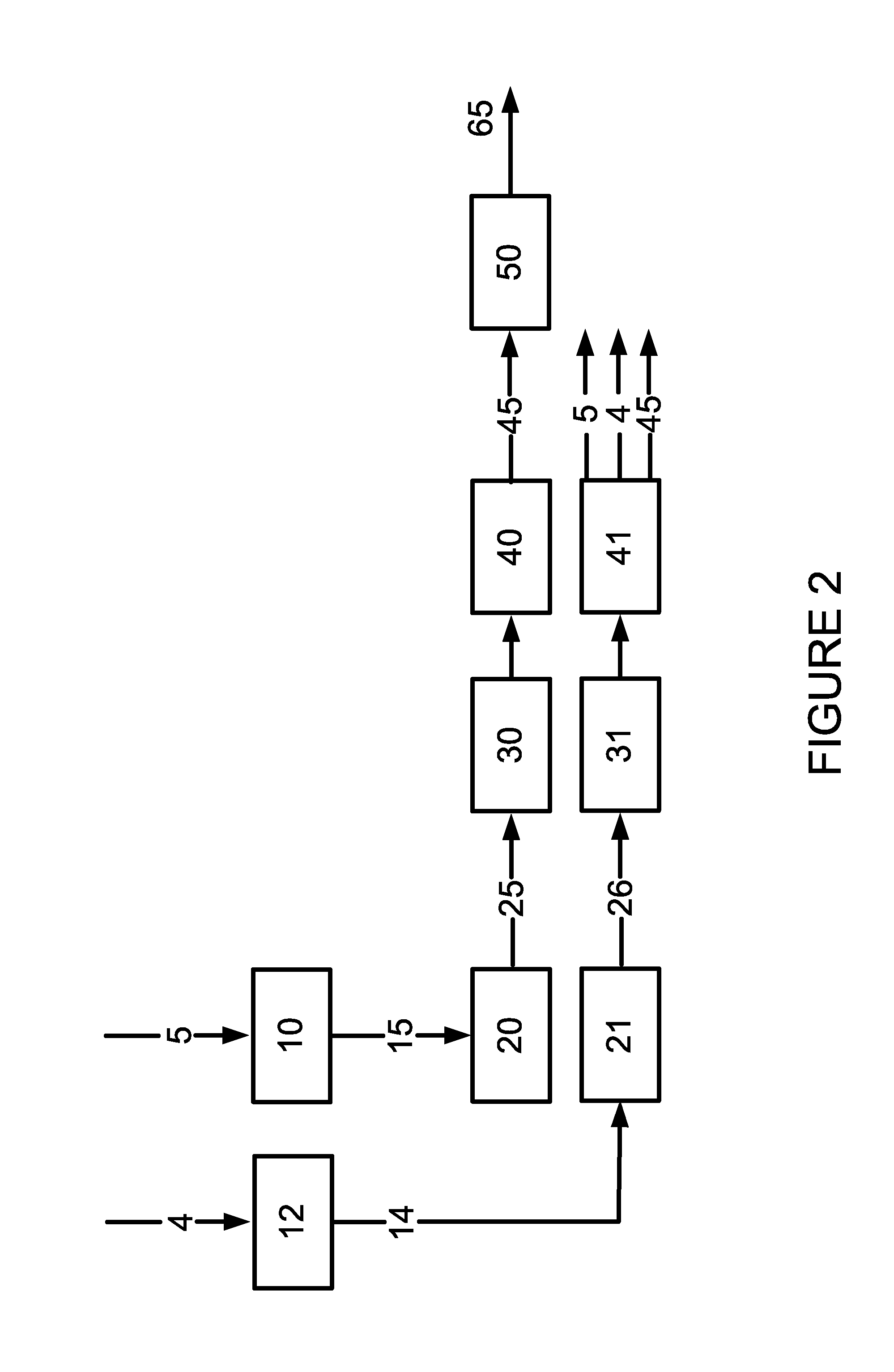
Figure 2
Abstract
Description
RELATED APPLICATIONS
[0001] The subject application is related to U.S. Provisional Application Ser. No. 61 / 426,340, filed Dec. 22, 2010. This application is also related to U.S. application Ser. No. 13 / 335,409 (attorney docket number 70205.0216USU1), entitled “In-Situ Kerogen Conversion and Recovery” filed Dec. 22, 2011; U.S. application Ser. No. 13 / 335,525 (attorney docket number 70205.0216USU2), entitled “In-Situ Kerogen Conversion and Product Isolation” filed Dec. 22, 2011; U.S. application Ser. No. 13 / 335,607 (attorney docket number 70205.0216USU3), entitled “In-Situ Kerogen Conversion and Upgrading” filed Dec. 22, 2011; U.S. application Ser. No. 13 / 335,673 (attorney docket number 70205.0216USU4), entitled “In-Situ Kerogen Conversion and Recycling” filed Dec. 22, 2011, and U.S. application Ser. No. 13 / 335,195 (attorney docket number 70205.0232US01), entitled “Preconditioning a Subsurface Shale Formation by Removing Extractible Organics” filed Dec. 22, 2011. The contents of all of ...
Examples
example
[0119]The 2-methyltetrahydrofuran (2-MeTHF) extract of a Green River oil shale sample from the Piceance Creek Basin in Colorado, USA contained 1.49 weight percent of the fully saturated (perhydro) beta-carotene. The extraction of the organic compounds was performed in combination with supercritical carbon dioxide (81% supercritical CO2 & 19% of 2-MeTHF) under expected in-situ reservoir conditions (40° C. and 1200 psig) in a dynamic mode. Several tests have shown that the extraction is possible in temperature and pressure range of 10° C.-125° C. and 14 psig-2500 psig, respectively. The limiting factor is the thermal stability of the 2-MeTHF and organic compounds present in the oil shale. Gas chromatography-mass spectrometry showed this extract component to have a molecular ion of m / z 558 (C40H78) and to have a mass spectrum and gas chromatographic retention time identical to that of perhydro-beta-carotene prepared by the exhaustive catalytic hydrogenation of beta-carotene. While beta...