However New Zealand has no screening program even though rectal
cancer death is the leading cause of cancer related death amongst the Maori.
The endoscopic equipment must undergo high level disinfection and sterilisation between each patient which is
time consuming and expensive.
As a result,
endoscopy services remain the single most strained diagnostic service in the NHS and in healthcare systems in most developed nations.
These limitations prevent clinicians from making immediate diagnoses when patients first present in outpatient clinics.
As a result of these limitations risk averse clinicians cannot safely rule out
disease particularly in the very young or otherwise low risk patients and are therefore inclined to over refer for
colonoscopy which is an expensive and unpleasant procedure.
The large
referral burden, is placing great strains on
colonoscopy suites which are scarce, expensive to establish, operate and staff.
Conventional bedside examination of the anus and rectum is limited to proctoscopy and rigid sigmoidoscopy.
A typical
system permits the introduction of
biopsy forceps, tubes, needles and other instruments, though the views are obscured and it is performed in a non-air-tight condition as when the viewing window is opened, bowel insufflation is lost which can lead to missed cancers and errors in sampling.
Conventional rigid sigmoidoscopy and proctoscopy systems are impractical, costly due to reprocessing costs, difficult to use and have poor
patient satisfaction and diagnostic value Rao V S, Ahmad N, Al-Mukhtar A, Stojkovic S, Moore P J, Ahmad S M. Comparison of rigid vs flexible sigmoidoscopy in detection of significant anorectal lesions.
Because of the inherent challenges in performing these procedure they have largely been abandoned by most specialists.
Even a skilled surgeon may find the process awkward, uncomfortable and difficult to perform.
Also, in larger patients accurate positioning of the sigmoidoscope may be impeded by the
buttocks.
If the sigmoidoscope needs to be repositioned to secure a complete 360° view of the lower colon and rectum or there is a requirement to remove a
biopsy specimen, there is often a tendency to rest and pivot the scope on the patient's anus which is painful for the patient.
Air is pumped into the rectum via the device using a bladder and
hand pump arrangement (
bellows) which is an awkward two-handed operation, made more difficult in larger patients where the
buttocks must be supported to permit accurate positioning of the sigmoidoscope.
It also makes the procedure inheritably unhygienic as it requires the face of the operator to be in close proximity to the patients
buttocks and anus.
Examinations performed using this technique are rudimentary and often unreliable as the clinician has only a small and awkward
field of view.
Furthermore the reusable elements are hard to clean and present an
infection risk whilst the disposable elements are expensive.
The air filters, which must be changed between each patient, are difficult to remove and replace hence surgeons may be reluctant to change filters which presents an additional risk of cross-infection.
Patient and clinician satisfaction of the procedure may be compromised as there is no way of capturing, storing or sharing images with the patient or colleagues or for surveillance purposes.
Colonoscopy is an invasive, expensive,
hospital based investigation which can only be performed in a surgical setting by a
highly skilled specialist gastroenterologist as it carries a low risk of perforation which may require
surgery.
It can also lead to faecal incontinence.
Colonoscopy is embarrassing, invasive, inconvenient and unpleasant for the patient and requires complete or partial
sedation with the associated costs and risks.



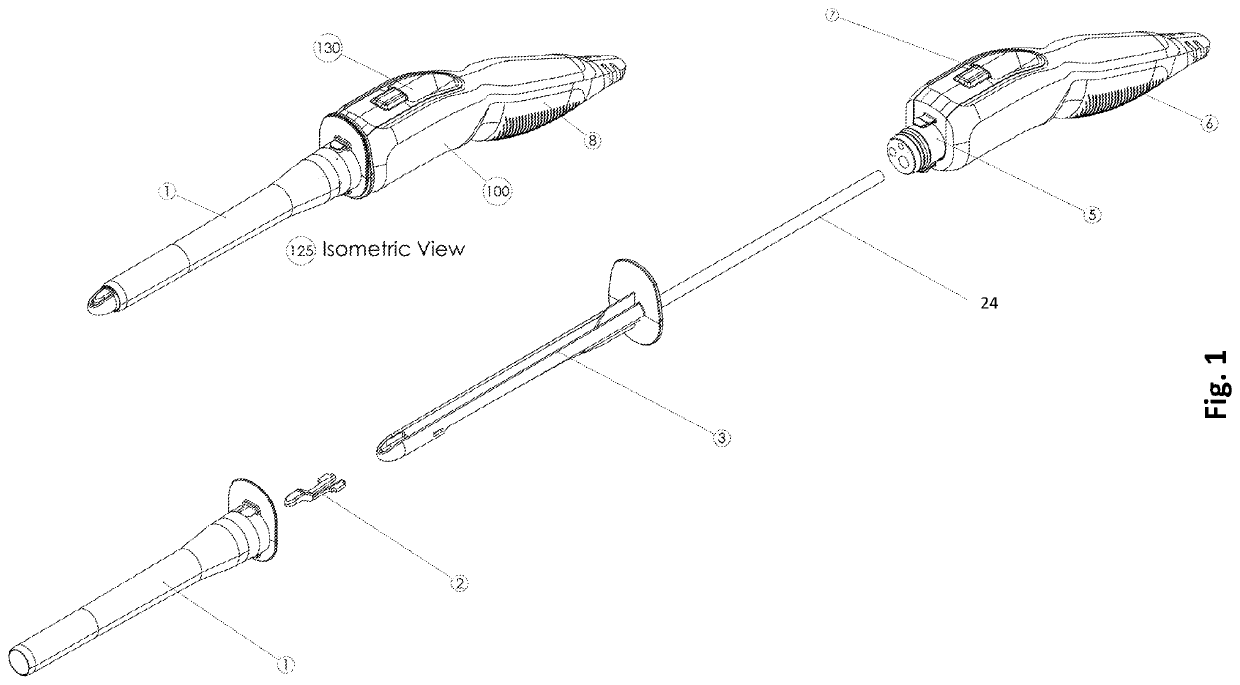
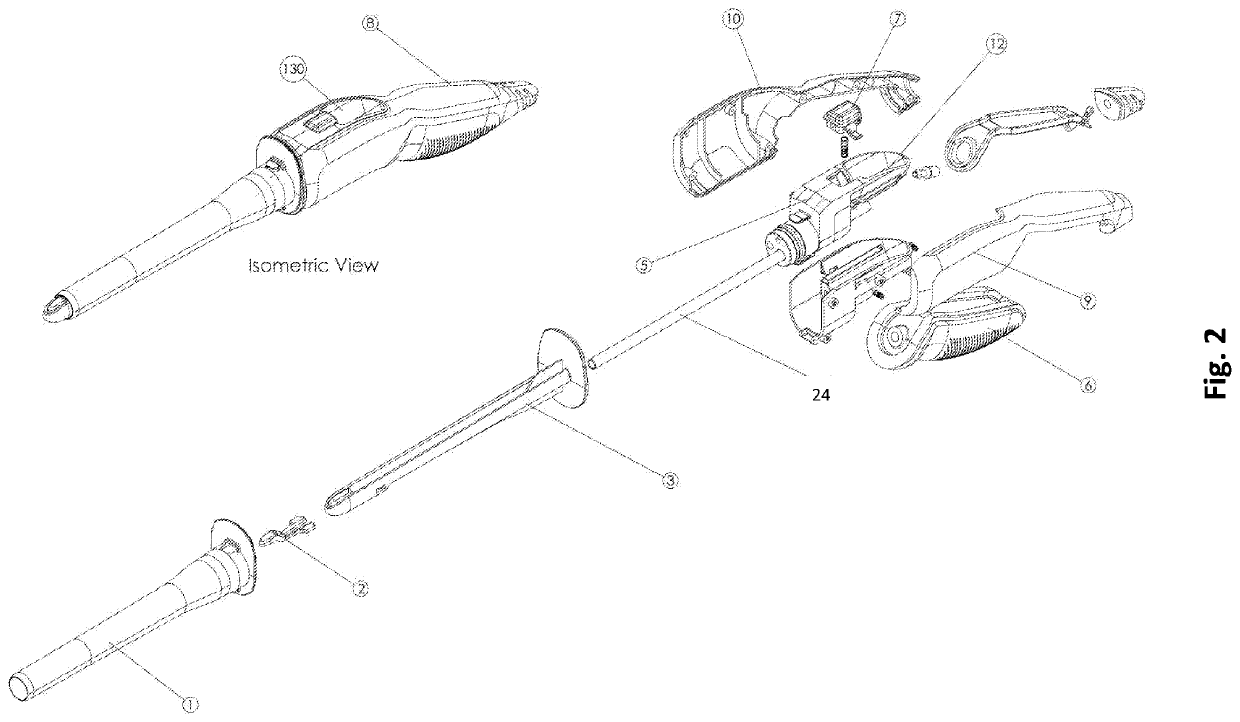
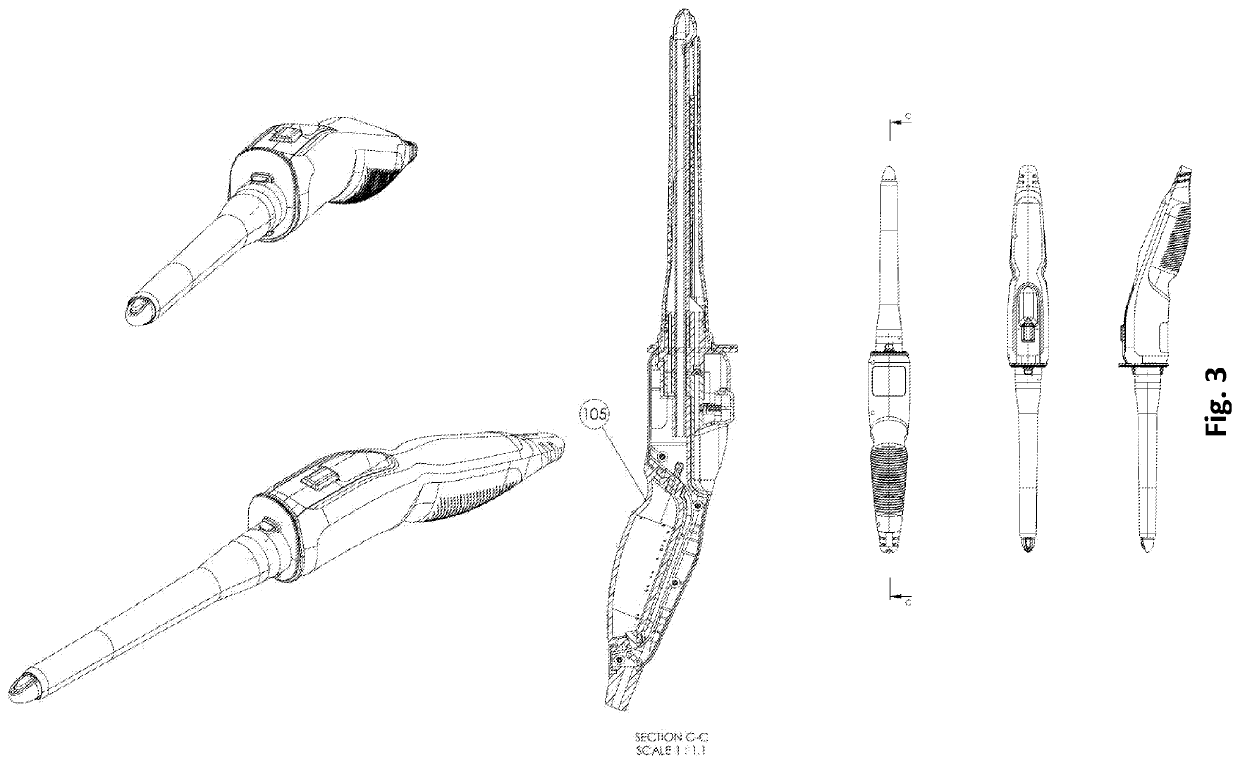
 Login to View More
  Login to View More