
Apparatus and method for fluid phase fraction determination using X-rays
a fluid phase fraction and apparatus technology, applied in the direction of material analysis using wave/particle radiation, volume/mass flow by differential pressure, instruments, etc., can solve the problems of x-ray generator subject to voltage and beam current fluctuation, affecting the degree of accuracy of fluid fractional composition measurement, etc., to reduce complexity and cost of apparatus and/or methods
- Summary
- Abstract
- Description
- Claims
- Application Information
AI Technical Summary
Benefits of technology
Problems solved by technology
Method used
Image

Examples
Embodiment Construction
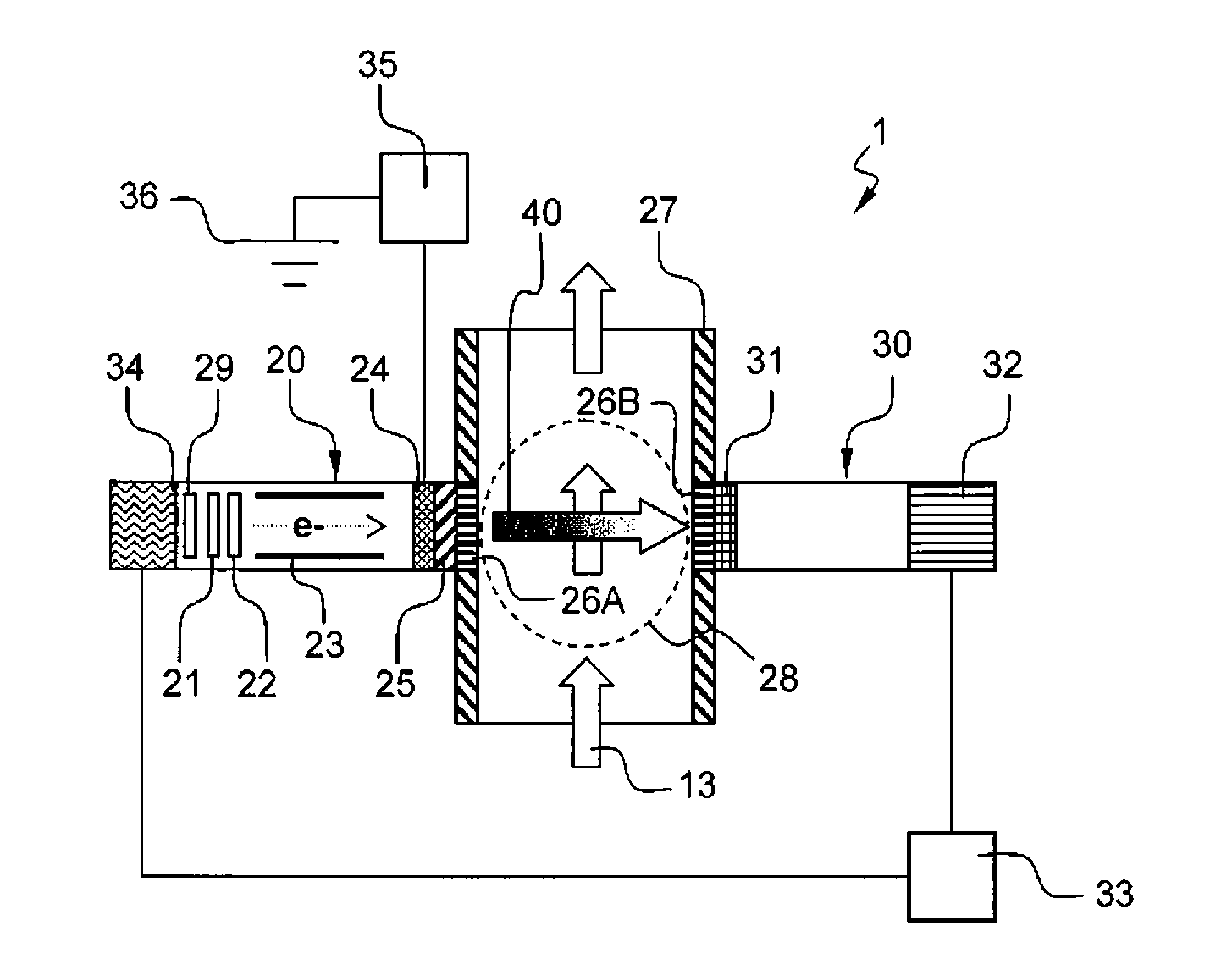
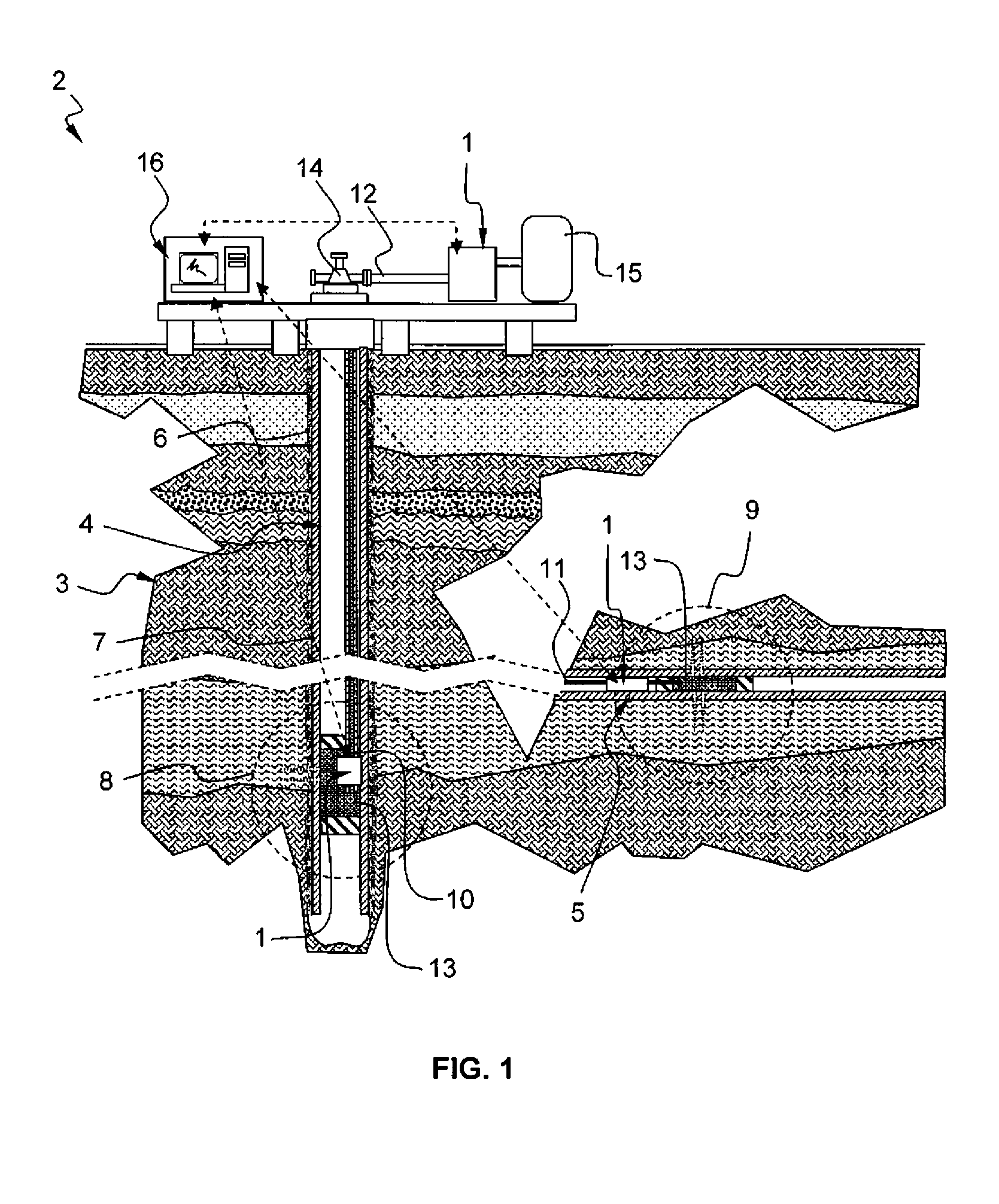
[0050]In the following description, the terminology “multiphase fluid mixture” has a broad meaning. In the oilfield related applications, it includes a broad range of hydrocarbon effluent compositions. It may be a mixture comprising multiple phases, for example oil, gas and water. The composition of the mixture may vary from heavy oil and high water cut to high gas fraction. It may also be a mixture comprising a single phase in specific conditions, resulting in a separation between the components constituting said phase, for example in conditions above the bubble point, or in non-isobaric or / and non-isothermal conditions. In such conditions, the single phase becomes biphasic and drops heavy components. Moreover, it may also be a 4-phases mixture, the fourth phase being considered to be either the water salinity or sulfur mass fraction (in oil, gas, and water), or injected / produced water ratio (if water is injected into the hydrocarbon reservoir for pressure maintenance purposes), or...
PUM
| Property | Measurement | Unit |
|---|---|---|
| thickness | aaaaa | aaaaa |
| thickness | aaaaa | aaaaa |
| thick | aaaaa | aaaaa |
Abstract
Description
Claims
Application Information
 Login to View More