Magneto-acoustic coupling imaging excitation and detection method and device based on low-frequency continuous waves

A magnetic-acoustic coupling imaging and detection method technology, applied in diagnostic recording/measurement, medical science, sensors, etc., can solve the problems of increasing the cost of imaging devices and difficulty in design and implementation, so as to reduce design difficulty and improve application security. The effect of simplifying the experimental setup

CN104013388AActive Publication Date: 2014-09-03INST OF BIOMEDICAL ENG CHINESE ACAD OF MEDICAL SCI
7 Cites 11 Cited by

Patent Information

Authority / Receiving Office
CN · China
Current Assignee / Owner
Publication Date
2014-09-03

Smart Images

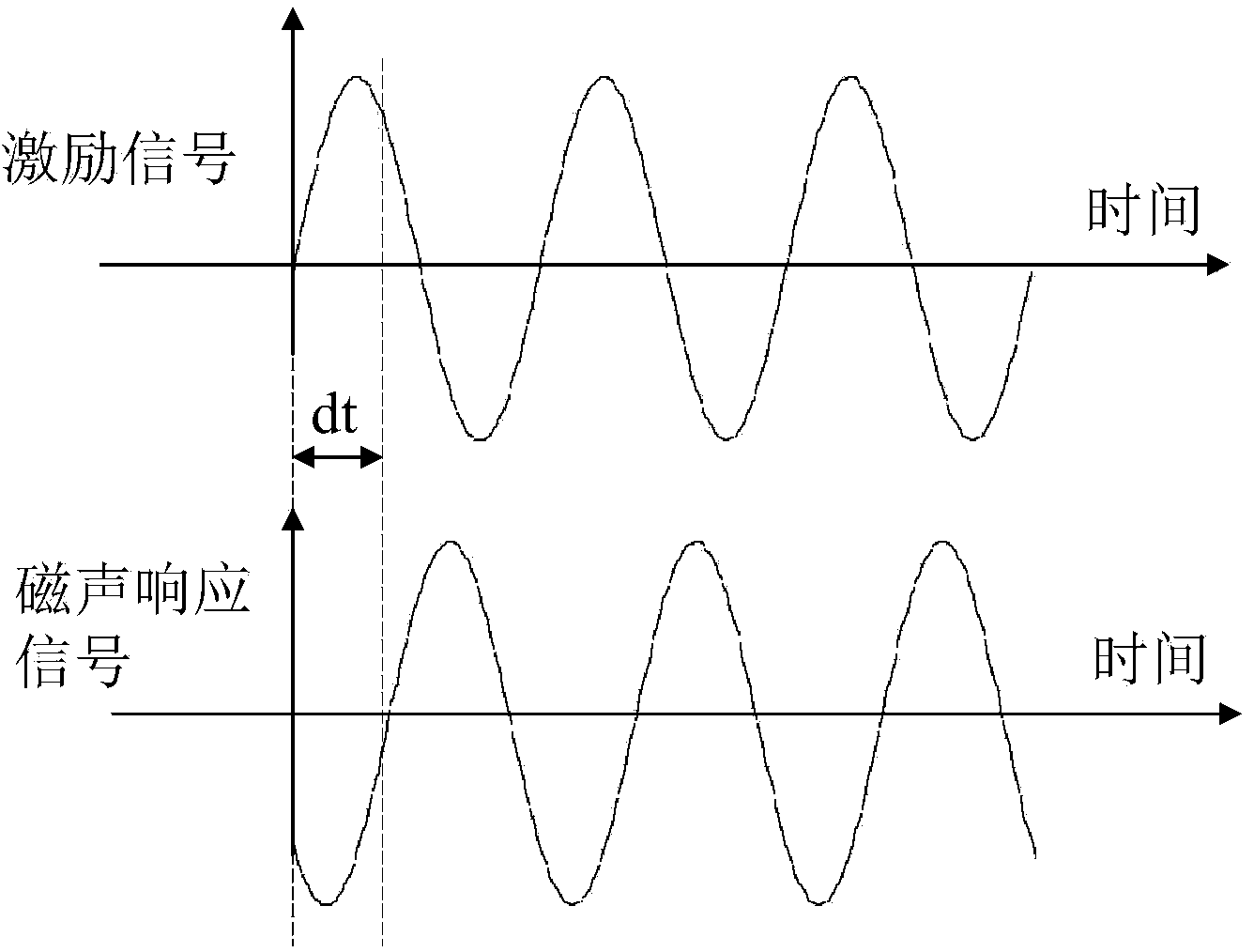
  • Figure 1
    Figure 1
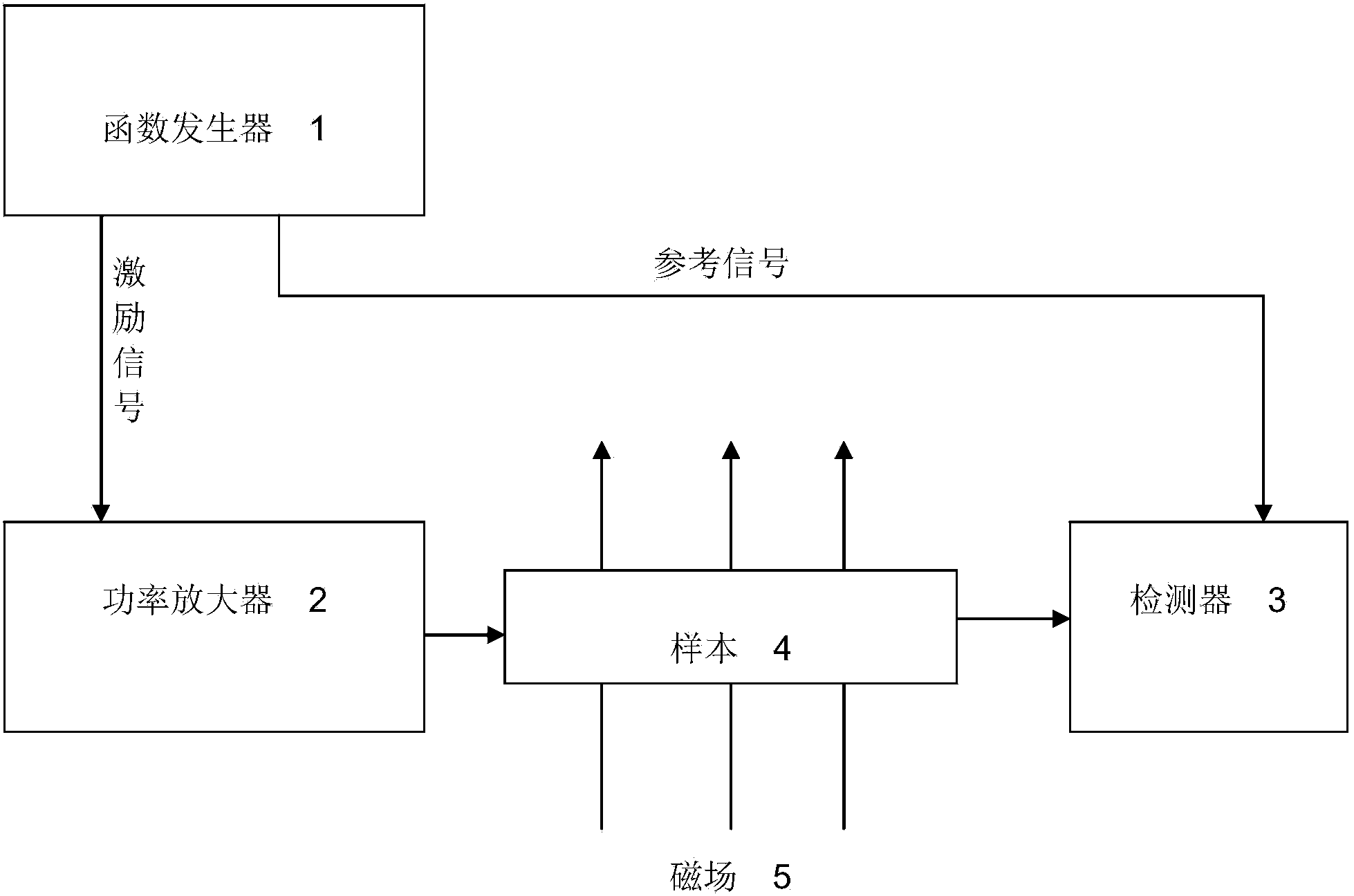
  • Figure 2
    Figure 2
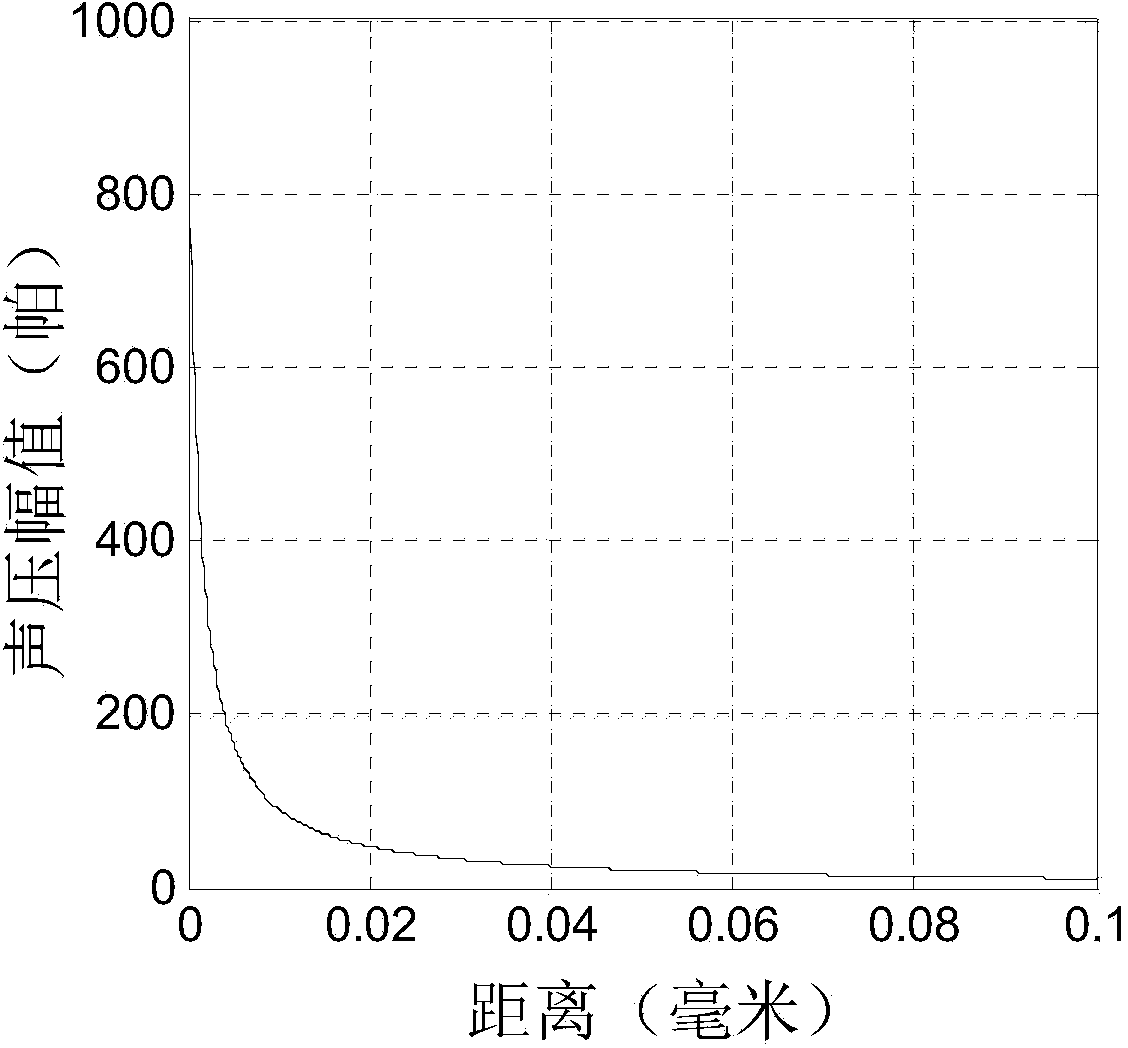
  • Figure 3
    Figure 3
Patent Text Reader

Abstract

Disclosed are a magneto-acoustic coupling imaging excitation and detection method and device based on low-frequency continuous waves. The method comprises the two steps of generation of excitation signals of the low-frequency continuous waves and detection of the low-frequency continuous magneto-acoustic waves. According to generation of the excitation signals, the low-frequency continuous waves are used for conducting excitation on an imaging sample, the excitation waveform is realized by adopting continuous sine waves or continuous sine pulses with a duty ratio, and the frequency of the excitation signals is determined according to the imaging sample and spatial locating precision. Detection of the low-frequency continuous magneto-acoustic waves is realized by the adoption of a continuous wave signal detection method or a lock-in amplifying method. The device comprises a function generator used for generating the excitation signals of the low-frequency continuous waves and a power amplifier connected with the output end of the function generator and used for conducting amplifying on the output excitation signals, the output end of the power amplified is connected to the detected sample placed in a magnetic field and the output end of the function generator is further connected with a detector. The magneto-acoustic coupling imaging excitation and detection method and device have the advantages that the test devices are simplified, the excitation source designing difficulty is lowered and the application safety of the imaging method is improved to some extent.
Need to check novelty before this filing date? Find Prior Art

Description

technical field

[0001] The invention relates to excitation and detection of magnetoacoustic coupling imaging. In particular, it relates to a magnetoacoustic coupling imaging excitation and detection method and device based on low-frequency continuous waves. Background technique

[0002] The electrical properties of biological tissue reflect the physiological and pathological state of the tissue, and the detection and imaging of the electrical properties of biological tissue is conducive to the early diagnosis of related diseases. Magneto-acoustic coupling imaging technology is a new type of imaging technology for the electrical characteristics of biological tissue. It is based on the principle of the Hall effect and applies alternating current excitation to biological tissue. Detection and imaging of tissue electrical properties.

[0003] Since the magnetoacoustic signal generated in biological tissue reflects the physiological and pathological characteristics of the tissu...

Examples

Embodiment Construction

[0032] The low-frequency continuous wave-based magnetoacoustic coupling imaging excitation and detection method and device of the present invention will be described in detail below with reference to the embodiments and the accompanying drawings.

[0033] The magneto-acoustic coupling imaging excitation and detection method based on low-frequency continuous waves of the present invention includes two parts: generation of excitation signals of low-frequency continuous waves and detection of low-frequency continuous magneto-acoustic signals, wherein the generation of the excitation signals is performed by using low-frequency continuous waves to The imaging sample is excited, and the excitation waveform is realized by a continuous sine wave or a continuous sine pulse wave with a duty cycle. The frequency of the excitation signal is determined according to the imaging sample and the spatial positioning accuracy; the detection of the low-frequency continuous magnetoacoustic signal is...