
Buckling simulation method in fabric layer-by-layer separation process
A separation process and simulation method technology, applied in the field of buckling simulation in the process of fabric layer-by-layer separation, can solve the problems of complex buckling behavior of fabrics, narrow application range, poor flexibility and adaptability, etc., to save time and material costs, improve accuracy rate effect
- Summary
- Abstract
- Description
- Claims
- Application Information
AI Technical Summary
Problems solved by technology
Method used
Image

Examples
Embodiment 1
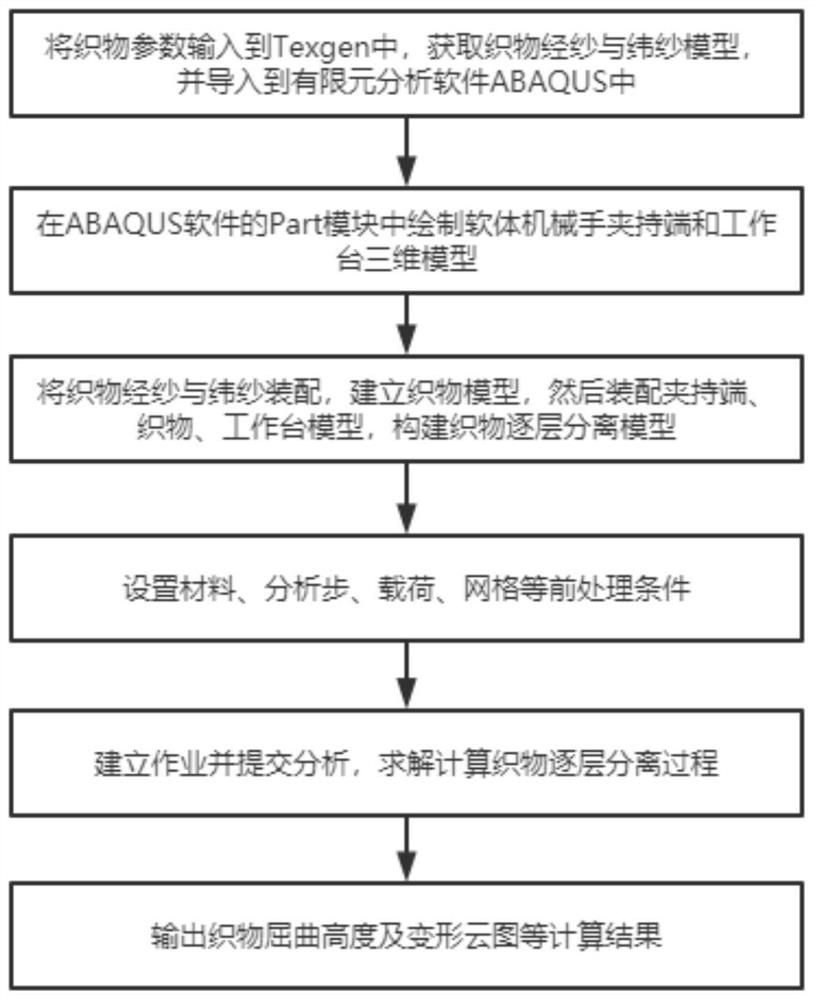
[0037] refer to Figures 1 to 7 , is the first embodiment of the present invention, which provides a buckling simulation method in the process of fabric layer-by-layer separation, including:
[0038]S1: Establish fabric warp yarn model, fabric weft yarn model, grip end model of software manipulator and workbench model successively.
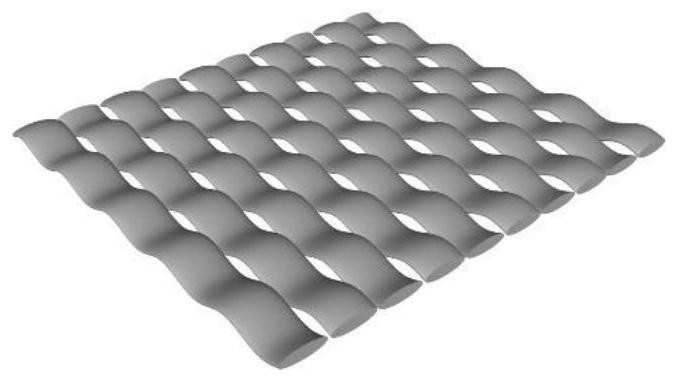
[0039] (1) Input the fabric parameters into the weave module of the fabric simulation software Texgen, obtain the fabric warp model and fabric weft model, and import them into the finite element analysis software ABAQUS; take the warp model as an example, such as figure 2 shown.
[0040] Among them, the fabric parameters include the number of warp and weft yarns, the length of the long axis of the cross section of the yarn, the length of the short axis of the cross section of the yarn, and the thickness of the fabric.
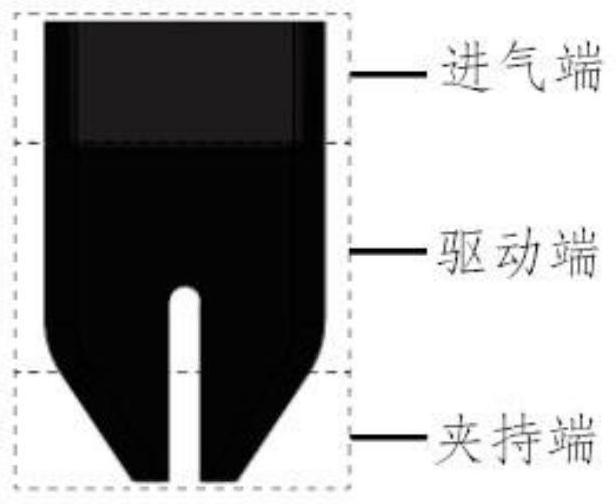
[0041] (2) The clamping end model and the worktable model of the soft manipulator are drawn by the finite element analysis sof...
PUM
 Login to View More
 Abstract
Description
Claims
Application Information
 Login to View More