
Methods to form a memory cell with metal-rich metal chalcogenide
a metal-rich, memory cell technology, applied in the field of memory technology, can solve the problems of loss of data, loss of data, volatile memory data, etc., and achieve the effect of precise control and high uniformity
- Summary
- Abstract
- Description
- Claims
- Application Information
AI Technical Summary
Benefits of technology
Problems solved by technology
Method used
Image

Examples
Embodiment Construction
Although this invention will be described in terms of certain preferred embodiments, other embodiments that are apparent to those of ordinary skill in the art, including embodiments that do not provide all of the benefits and features set forth herein, are also within the scope of this invention. For example, while illustrated in the context of particular materials, the skilled artisan will appreciate that the methods described herein are applicable to doping a variety of materials with tailored amounts of metal, for a variety of applications. Accordingly, the scope of the invention is defined only by reference to the appended claims.
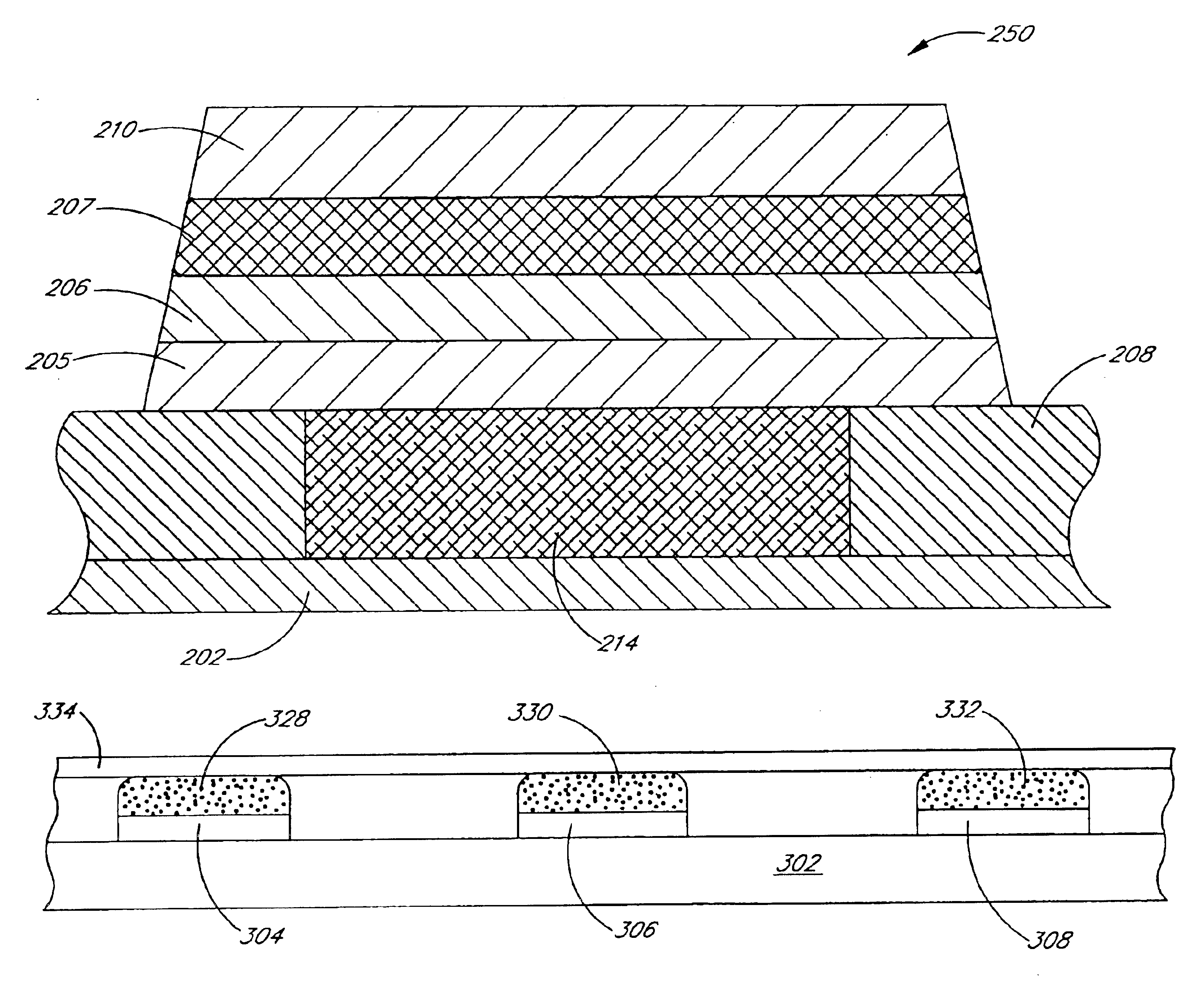
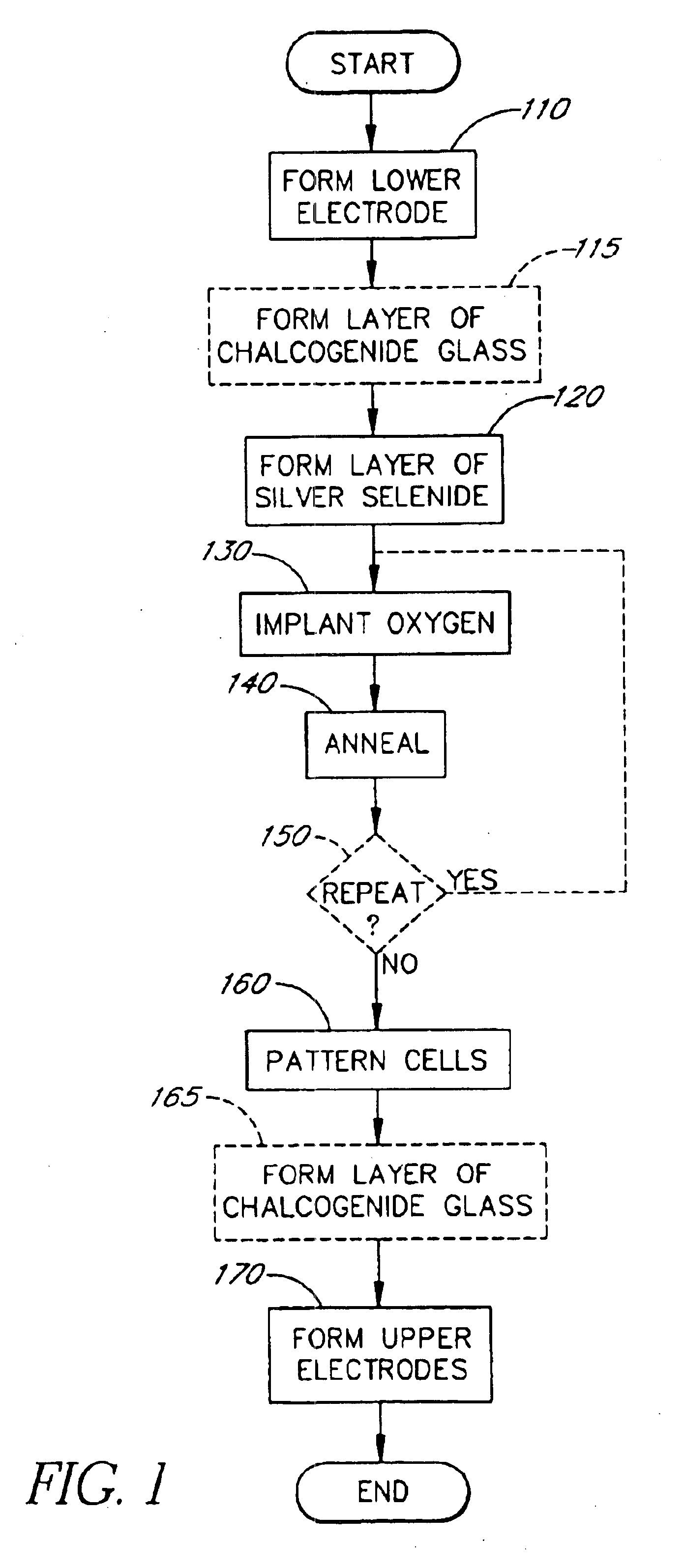
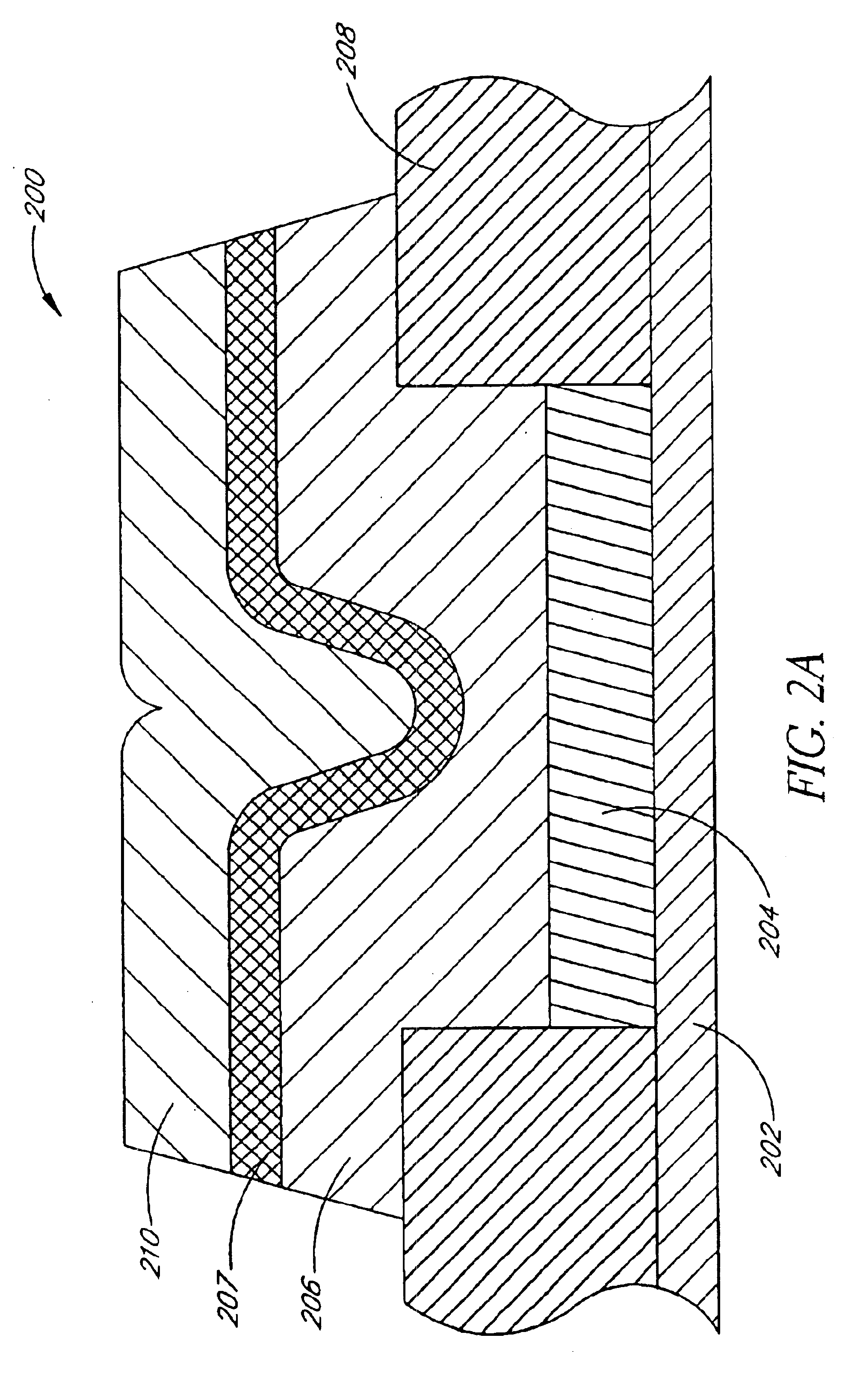
One process according to an embodiment of the invention can form silver-rich silver chalcogenide for use in a resistance variable material cell. The silver-rich silver chalcogenide cells include at least one layer of a silver-rich silver chalcogenide and at least one layer of a chalcogenide glass, such as germanium selenide (GeχSe1−χ). The process can b...
PUM
| Property | Measurement | Unit |
|---|---|---|
| depth | aaaaa | aaaaa |
| depth | aaaaa | aaaaa |
| temperature | aaaaa | aaaaa |
Abstract
Description
Claims
Application Information
 Login to View More