Methods of forming self-aligned contact structures in semiconductor integrated circuit devices

a technology of integrated circuit devices and contact structures, which is applied in the direction of semiconductor devices, electrical devices, transistors, etc., can solve the problems of exposing patterns in an adverse manner, and achieve the effect of improving the reliability of alignment techniques and minimizing parasitic capacitan
US6881659B2Inactive Publication Date: 2005-04-19SAMSUNG ELECTRONICS CO LTD

Patent Information

Authority / Receiving Office
US Β· United States
Patent Type
Patents(United States)
Current Assignee / Owner
SAMSUNG ELECTRONICS CO LTD
Publication Date
2005-04-19
Estimated Expiration
Not applicable Β· inactive patent

Smart Images

  • Figure 1
    Figure 1
  • Figure 2
    Figure 2
  • Figure 3
    Figure 3
Patent Text Reader

Abstract

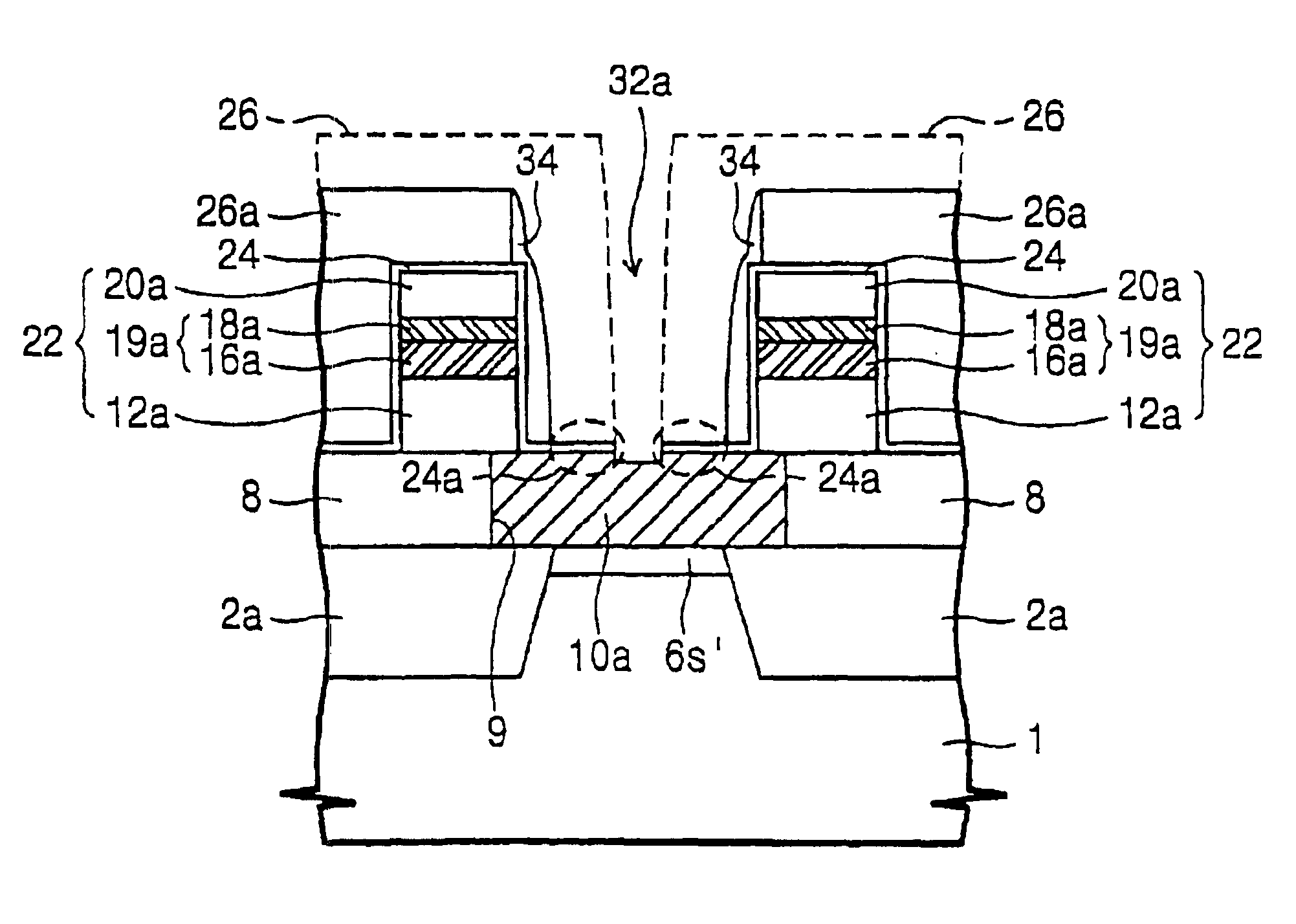
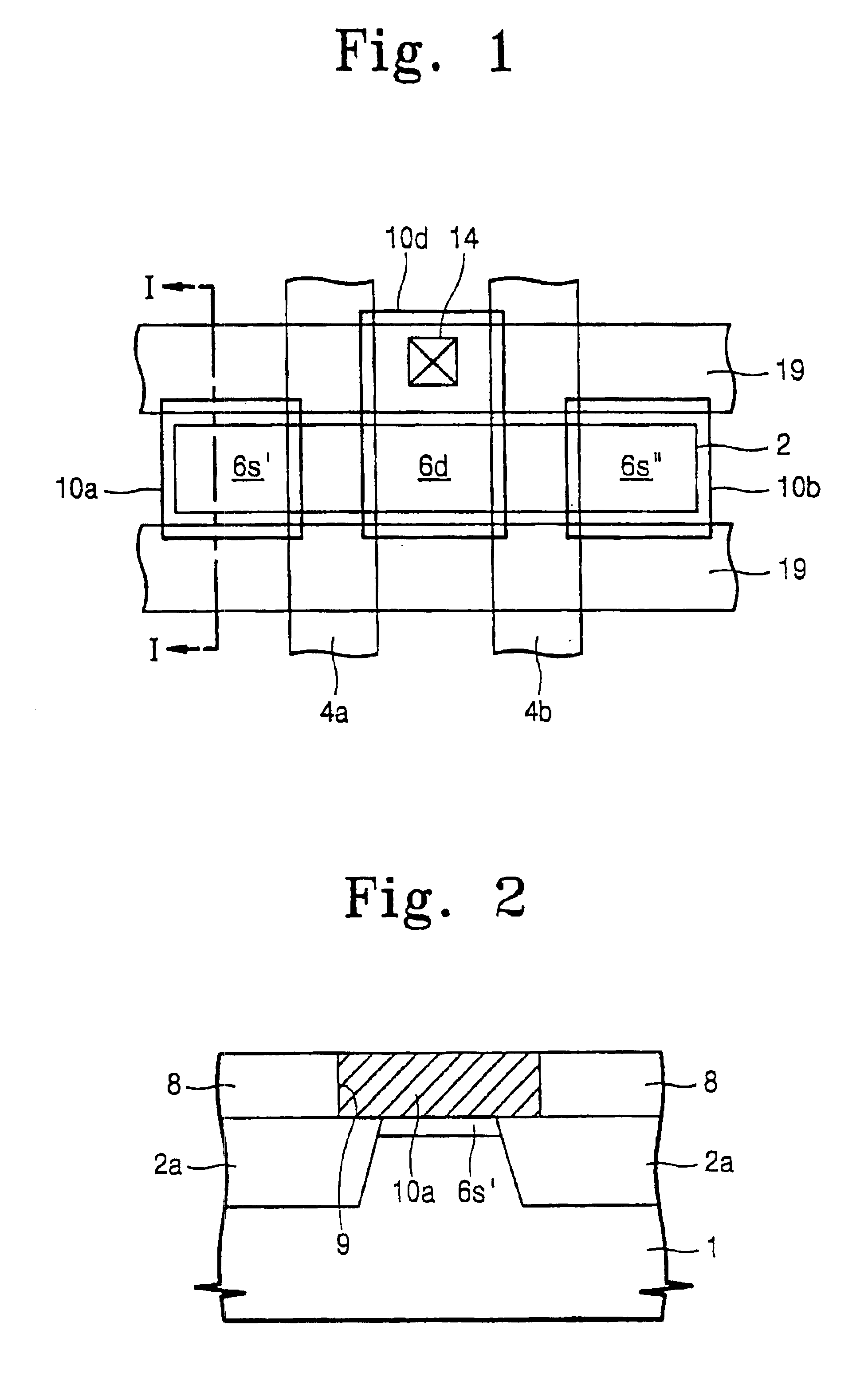
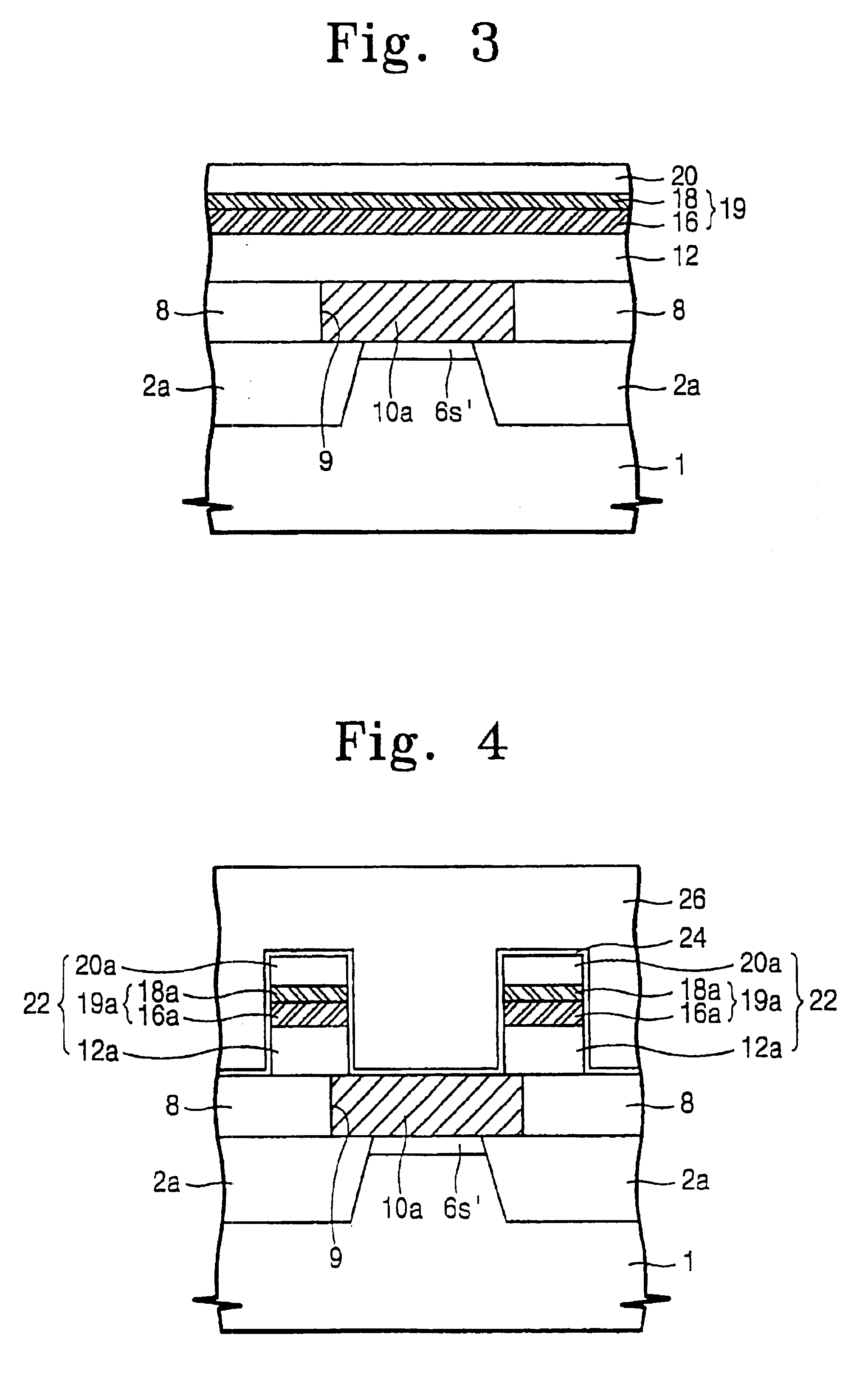
Methods of forming integrated circuit devices (e.g., memory devices) include the use of preferred self-aligned contact hole fabrication steps. These steps improve process reliability by reducing the likelihood that contact holes will become misaligned to underlying integrated circuit device structures and thereby potentially expose the structures in an adverse manner. Typical methods include the steps of forming a plurality of interconnection patterns on a substrate and then covering a surface of the interconnection patterns and a portion of the substrate with a capping insulating layer such as silicon nitride layer. The capping insulating layer is then covered with an upper interlayer insulating layer different from the capping insulating layer. The upper interlayer insulating layer and the capping insulating layer are then dry-etched in sequence to form a first narrow contact hole that exposes the substrate, but preferably does not expose the interconnection patterns. The first contact hole is then widened in a self-aligned manner using the capping insulating layer as an etch-stop layer. This widening step is performed by wet etching sidewalls of the first contact hole using an etchant that etches the upper interlayer insulating layer faster than the capping insulating layer. In this manner, the first contact hole may be formed to initially compensate for potential misalignment errors and then a self-aligned wet etching step may be performed to widen the first contact hole into a second contact hole so that low resistance contacts (e.g., contact plugs) can be provided therein.
Need to check novelty before this filing date? Find Prior Art

Description

RELATED APPLICATIONS

[0001] This application is a divisional of U.S. application Ser. No. 09 / 556,499, filed Apr. 24, 2000 now U.S. Pat. No. 6,649,508, which is related to Korean Application No. 2000-5358, filed Feb. 3, 2000, the disclosures of which are hereby incorporated herein by reference.FIELD OF THE INVENTION

[0002] This invention relates to integrated circuit device fabrication methods and, more particularly, to methods of forming self-aligned contact structures in semiconductor integrated circuit devices.BACKGROUND OF THE INVENTION

[0003] Attempts to increase device integration density in microelectronic integrated circuits have typically resulted in the fabrication of smaller and smaller devices that are spaced more closely together. In order to electrically access these devices, conventional techniques to photolithographically define the location of contact holes to these devices have also had to improve. Such improvements have typically included the development of photolithogra...

Claims

the structure of the environmentally friendly knitted fabric provided by the present invention; figure 2 Flow chart of the yarn wrapping machine for environmentally friendly knitted fabrics and storage devices; image 3 Is the parameter map of the yarn covering machine
Login to View More