
Methods and systems for a digital frequency locked loop for multi-frequency clocking of a multi-core processor
- Summary
- Abstract
- Description
- Claims
- Application Information
AI Technical Summary
Benefits of technology
Problems solved by technology
Method used
Image

Examples
Embodiment Construction
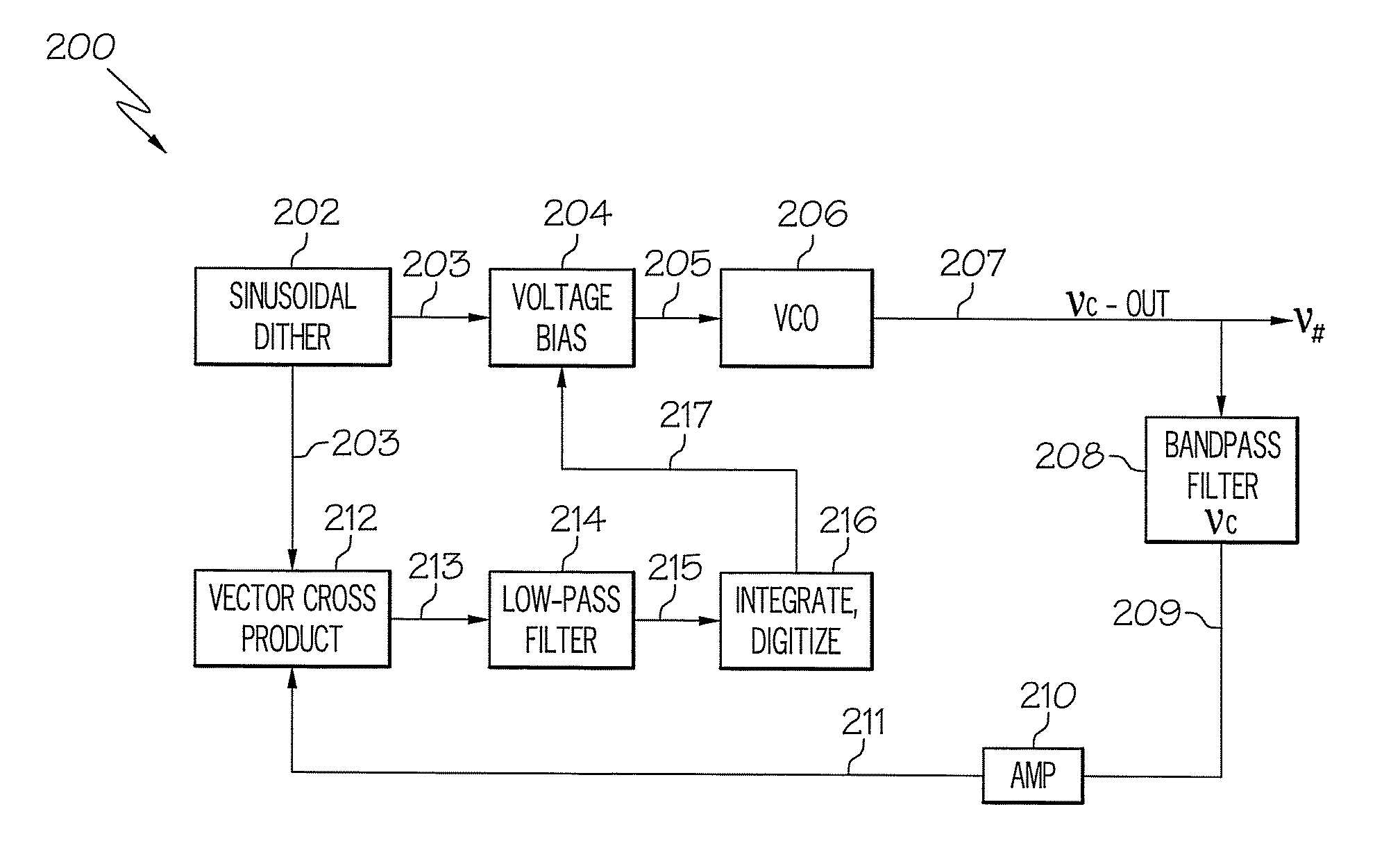
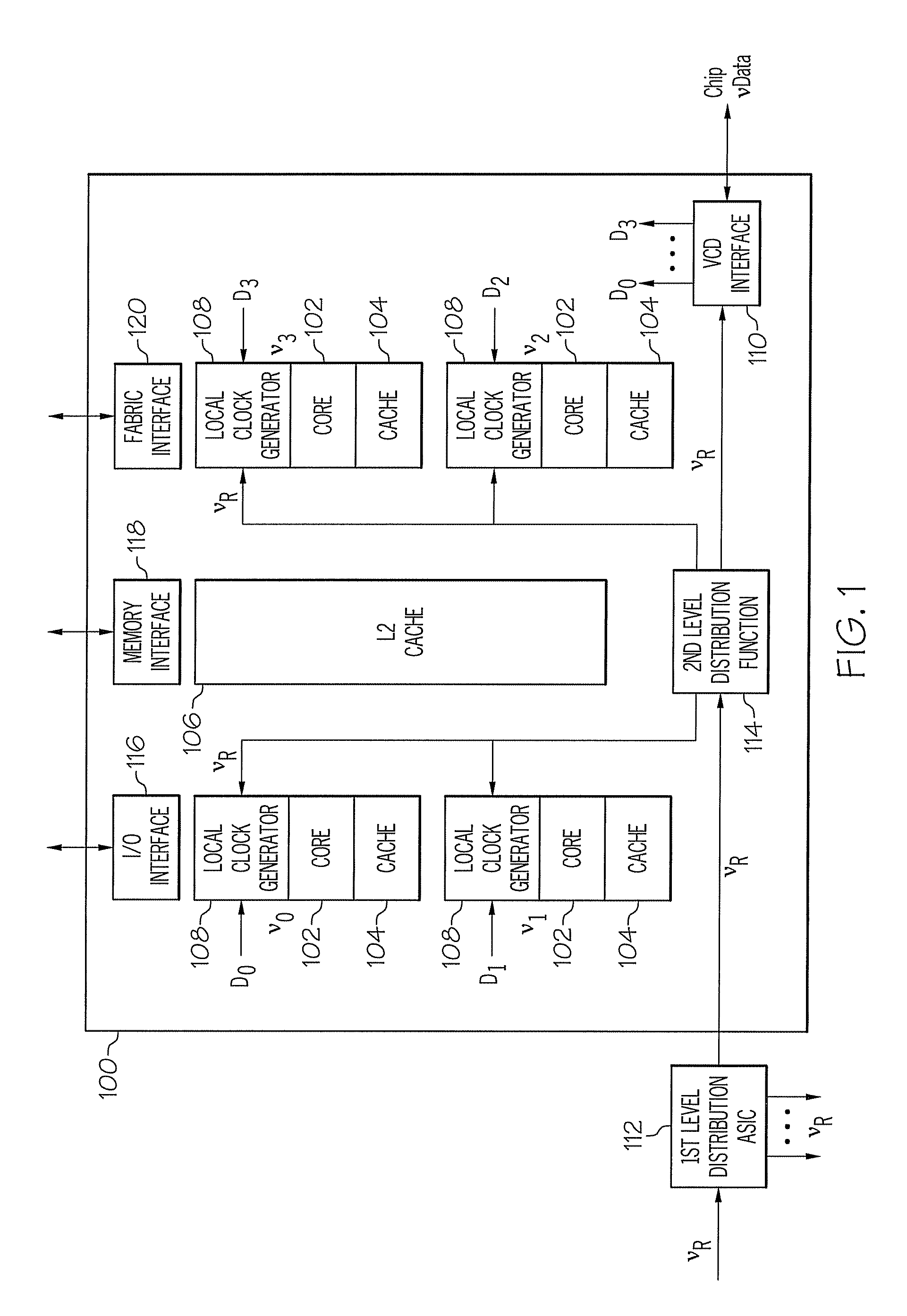
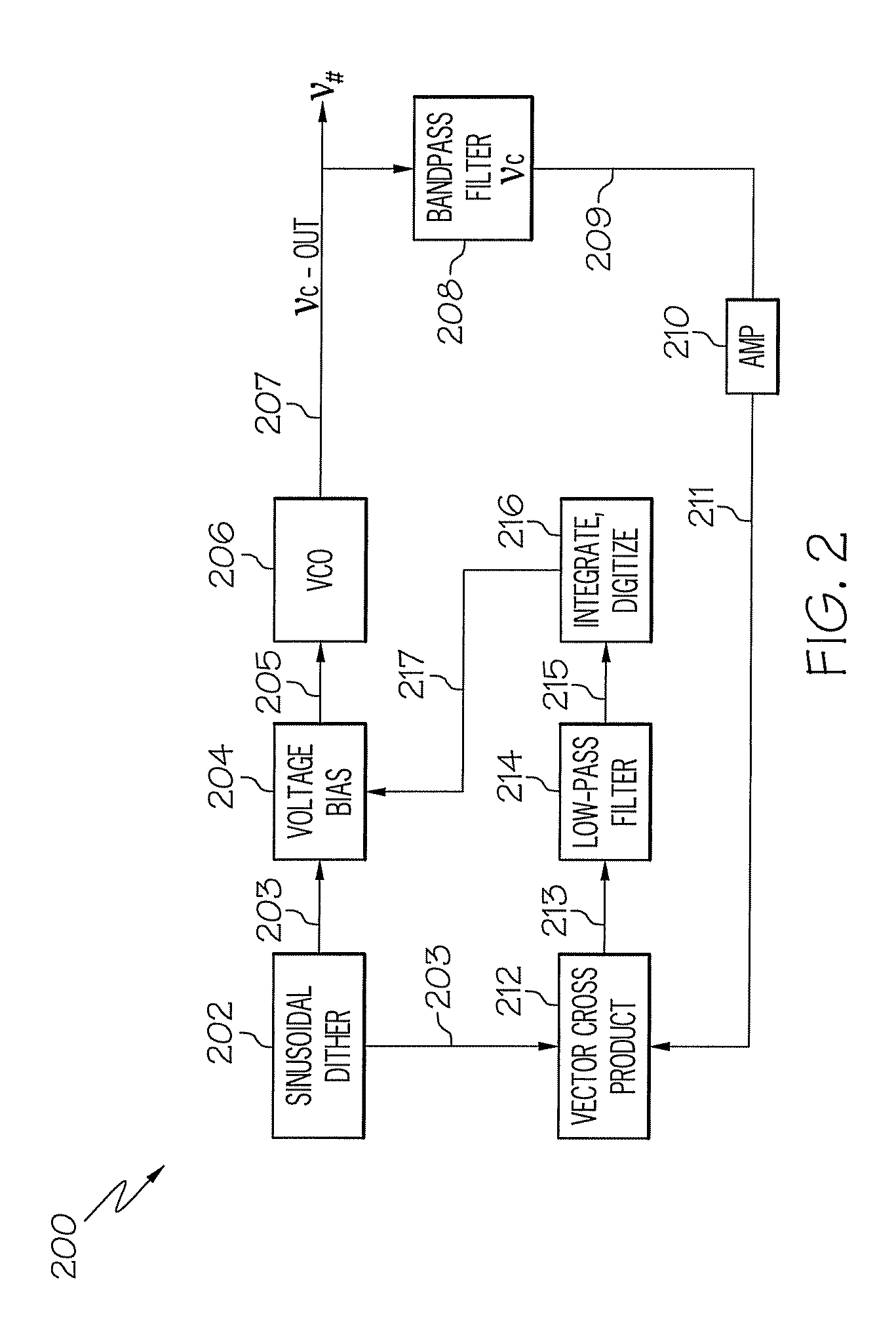
[0020]Exemplary embodiments provide methods and systems for a digital frequency locked loop (FLL) to support multi-frequency clocking in a multi-core processor system. A “digital FLL” refers to applying digital signal processing and / or digital control logic to an FLL. An FLL employs a closed loop feedback control technique to maintain a desired output frequency. In exemplary embodiments, an FLL uses output of a digital frequency filter to equalize two sideband signals, which directly indicates if the clock frequency is too high or too low, rather than a phase error signal that is minimized in a phase locked loop (PLL). Unlike a PLL, an FLL will not lock onto harmonics of a reference frequency. Using an FLL enables a clock distribution system with a low-speed reference clock provided to a microprocessor chip to control the high frequency target clock. This is advantageous, since propagating high-speed clocks over long distances may be an inhibitor for microprocessor chip size, comple...
PUM
 Login to View More
 Abstract
Description
Claims
Application Information
 Login to View More