
Improved genetic algorithm-based method for distributing and optimizing thermal and electrical load of steam extraction and heating unit
A technology for improving genetic algorithms and extraction steam heating units. It is applied in computing, genetic modeling, and electrical digital data processing. It can solve the problems of complex heating extraction units, slow calculation speed, and difficulty in convergence.
Patent Information
- Authority / Receiving Office
- CN · China
- Current Assignee / Owner
- Publication Date
- 2012-08-01
Smart Images
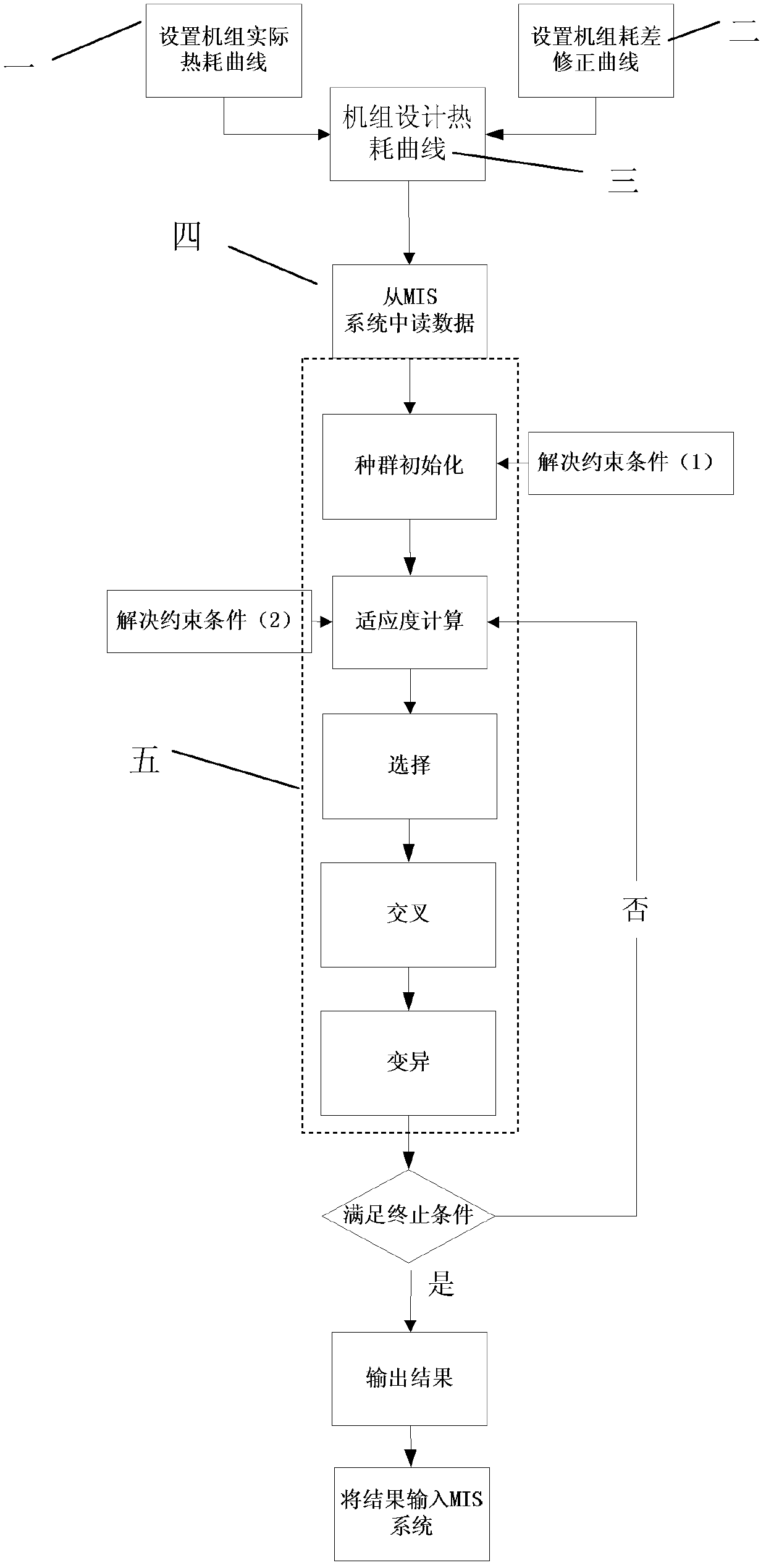
Figure 1 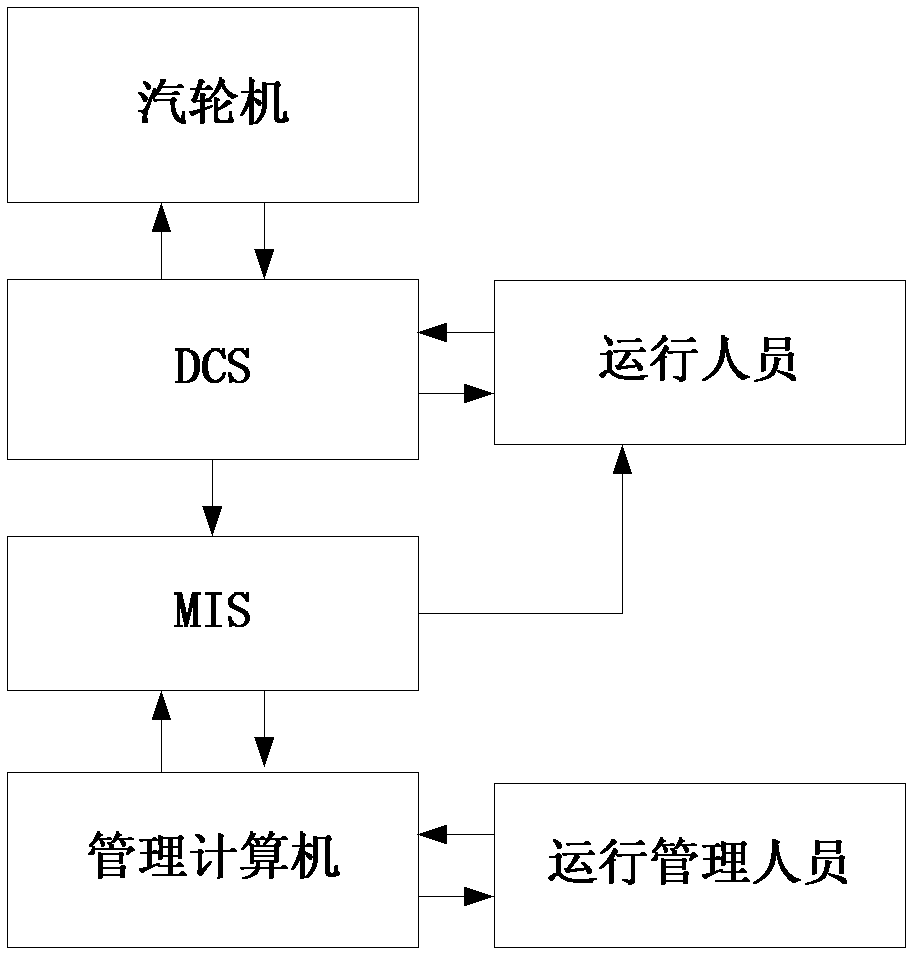
Figure 2 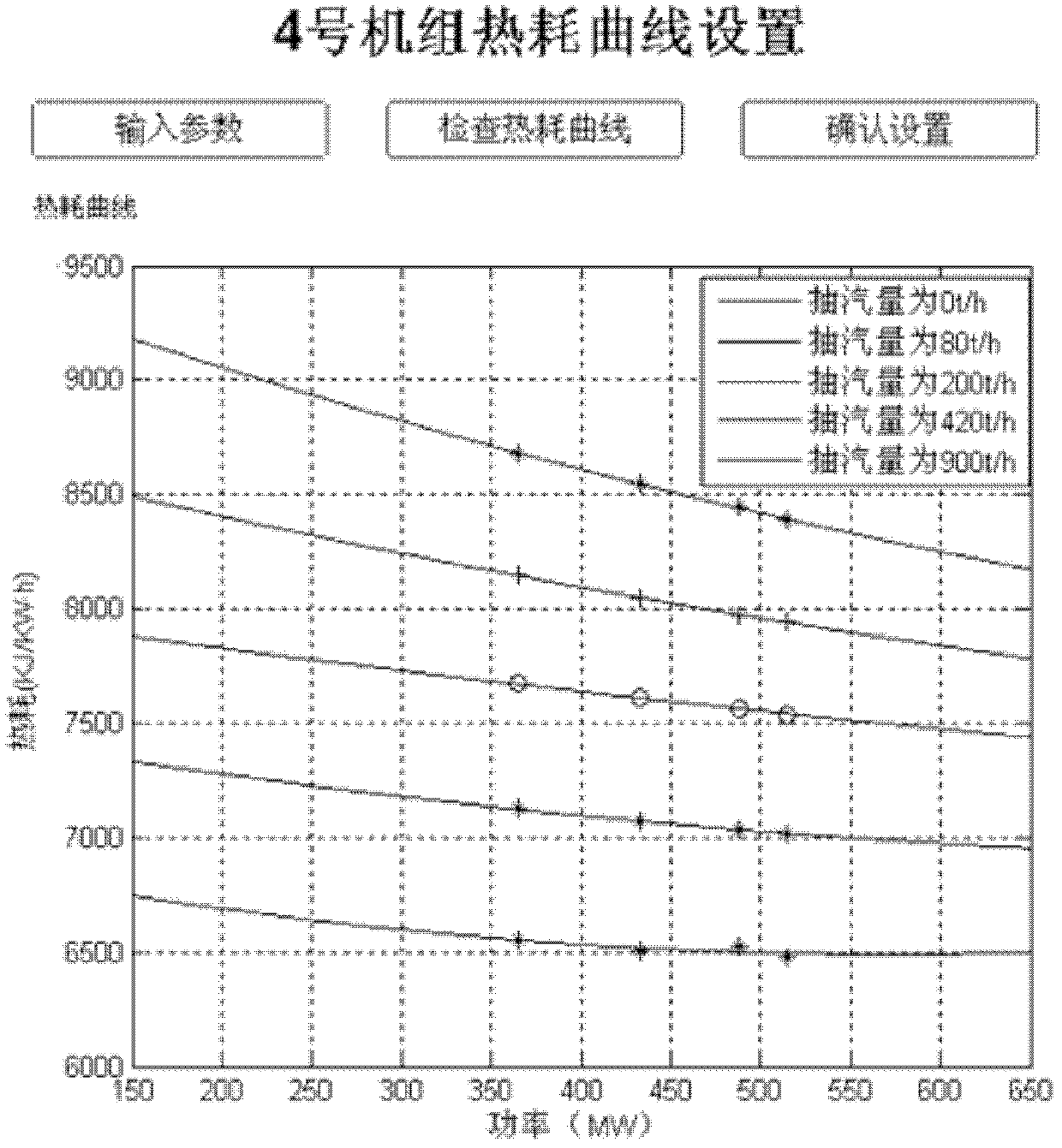
Figure 3
Abstract
Description
technical field
[0001] The invention relates to a method for optimizing thermoelectric load distribution of multiple heating units in a power plant, and belongs to the technical field of energy-saving monitoring of power plants. Background technique
[0002] With the development of the economy and the improvement of the quality of life of the people, the urban central heating system has been developed rapidly, and the energy conversion efficiency of cogeneration has obvious advantages. Therefore, the heating and extraction unit has been vigorously developed.
[0003] The steam extraction heating unit provides users with electricity and heating heat. The amount of heat and electricity provided by the power plant is controlled by the needs of heat users and electricity users. Therefore, the power plant must adjust the heat supply and extraction according to the needs of heat users and electricity users. The heat and electricity load of the steam unit.
[0004] For a certain t...
Examples
specific Embodiment approach 1
[0078] Specific implementation mode one: as figure 1 As shown, the specific process of the method for optimizing the thermal and electrical load distribution of steam extraction heating units based on the improved genetic algorithm described in this embodiment is as follows:
[0079] Step 1. Set the actual heat consumption curve of the unit: obtain the actual heat consumption curve of each unit according to the test; R is a family of curves of the dependent variable (ordinate), that is
[0080] Unit 1: R 1 =f(P 1 , Q 1 );
[0081] Unit 2: R 2 =f(P 2 , Q 2 );
[0082] ...
[0083] The nth unit: R n =f(P n , Q n );
[0084] Step 2. Set the unit consumption difference correction curve and determine the total unit consumption difference correction coefficient θ i , i is the unit number, i=1, 2,..., n, n represents the number of units: based on the six factors of condenser back pressure, main steam pressure, main steam temperature, reheat pressure, reheat steam temper...