
Nano-thermoelectric multi-parameter in-situ quantitative characterization device based on atomic force microscope
An atomic force microscope and in-situ quantitative technology, which is applied in measuring devices, nanotechnology, scanning probe microscopy, etc., can solve the problem that the test method is static, cannot reflect the dynamic performance change state of thermoelectric materials, and cannot achieve real-time and synchronous detection And other issues
Patent Information
- Authority / Receiving Office
- CN · China
- Patent Type
- Applications(China)
- Current Assignee / Owner
- Publication Date
- 2012-09-26
Smart Images

Figure 1 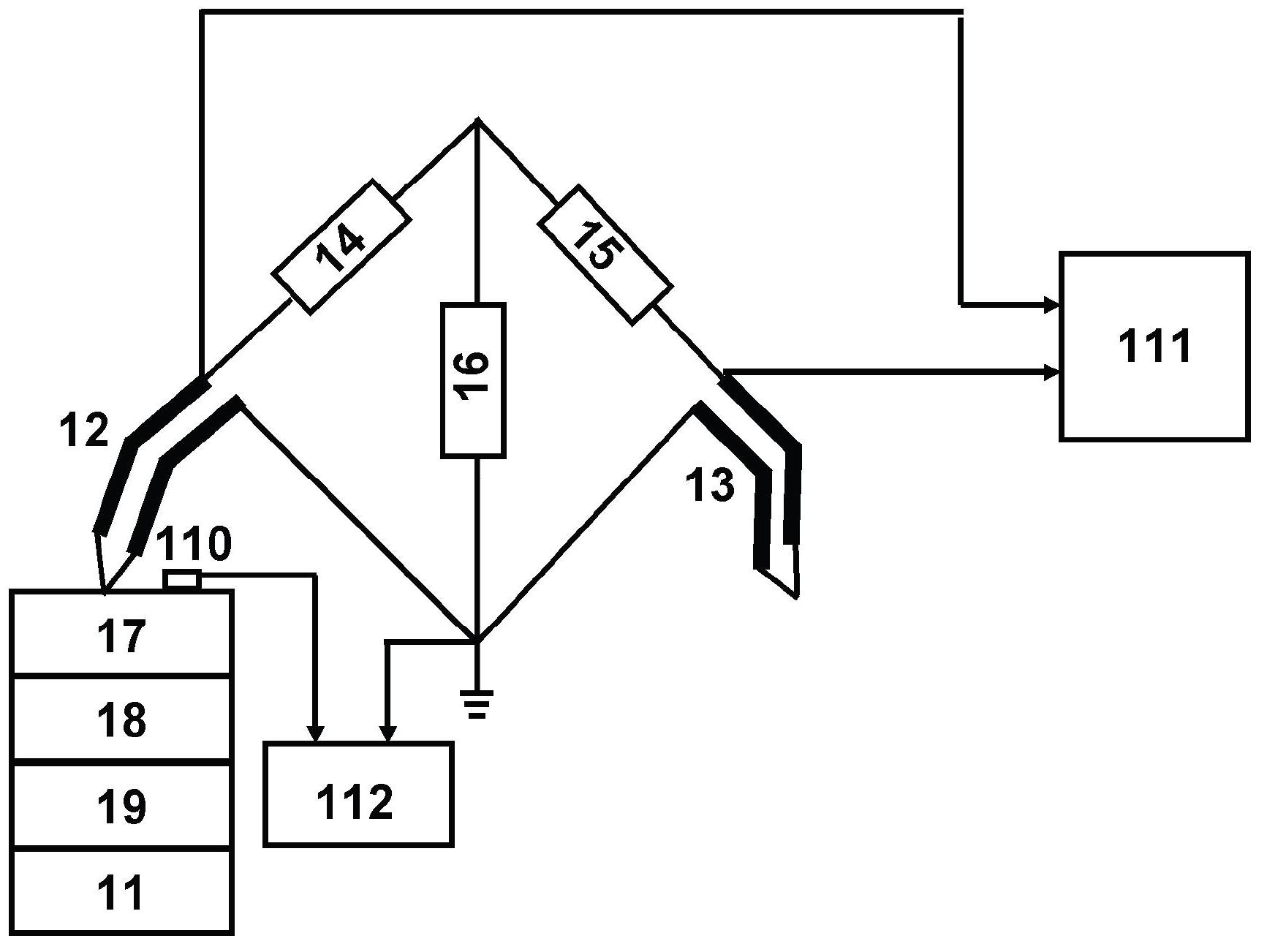
Figure 2 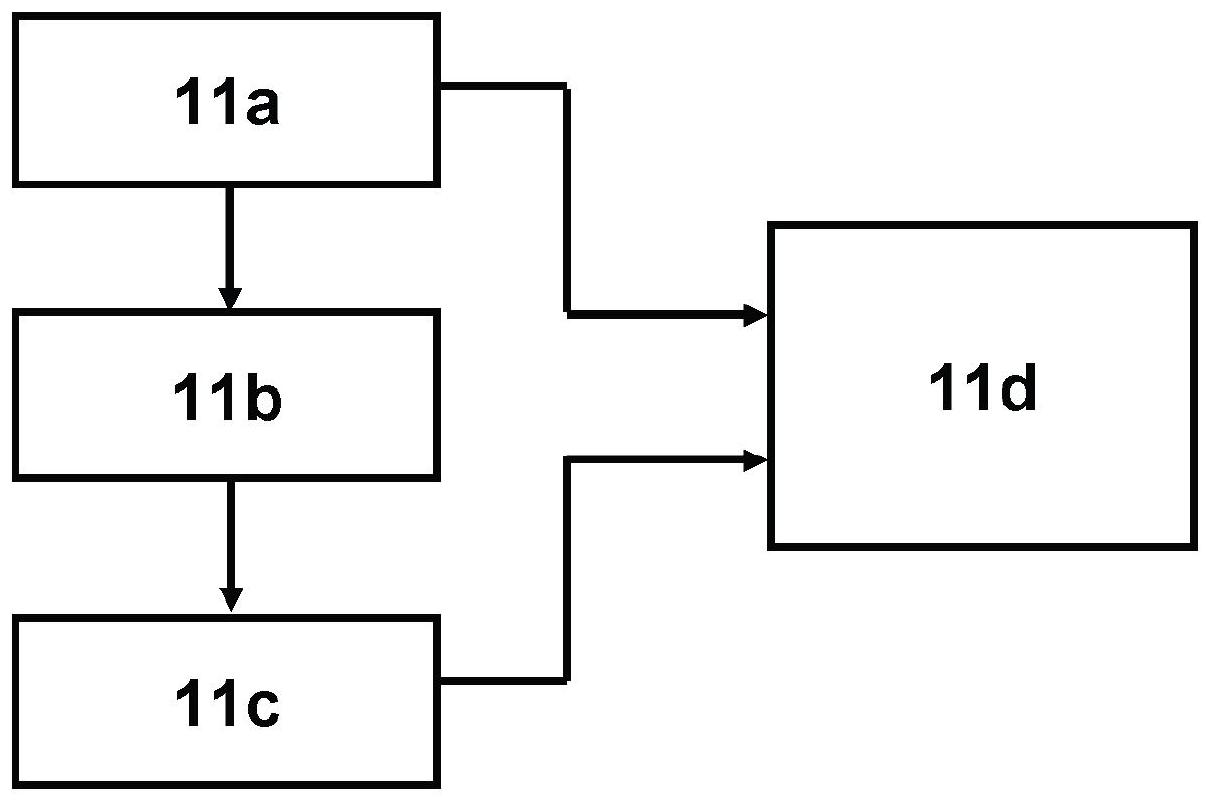
Figure 3
Abstract
Description
technical field
[0001] The application relates to a multi-parameter in-situ quantitative characterization device for nanometer thermoelectric materials based on an atomic force microscope, which belongs to the field of signal detection instruments. Background technique
[0002] As an important strategic energy material, thermoelectric materials have very broad application prospects in many important fields such as microelectronics, optoelectronics, deep space exploration, national defense and military industry, and energy conservation and environmental protection. At present, the main obstacle restricting the wide application of thermoelectric materials is their low thermoelectric conversion efficiency. Nanotechnology has opened up a new way for the development of high-performance thermoelectric materials. As a result, nano-thermoelectric materials have become the most active and promising research field in the current international thermoelectric field, and the measurement ...
Examples
Embodiment 1
[0048] The nano-thermoelectric multi-parameter in-situ quantitative characterization technology established in this application was used to test the micro-region thermal conductivity of the Bi-Sb-Te thermoelectric thin film, and Figure 6 shows the test results. Among them, Figure 6(a) is the AFM image of the surface topography of the sample, and Figure 6(b) is the micro-area triple frequency of the three measurement points obtained in situ in the corresponding area of the sample by the established nano-thermoelectric multi-parameter in-situ quantitative characterization technique The relationship between the thermal conductance signal and the logarithm of the excitation frequency. According to the near-field thermal imaging conditions, the microscopic thermal conductivity can be calculated as λ=1.668W / (m·K). Since the macroscopic thermal conductivity test technology of thin film has not been satisfactorily resolved so far, it is impossible to compare the thermal conductivity...
Embodiment 2
[0050]The micro-region Seebeck coefficient of the Bi-Sb-Te thermoelectric thin film was tested by applying the nano-thermoelectric multi-parameter in-situ quantitative characterization technology established in this application. Figure 7 shows the test results. It must be pointed out that the results are consistent with those in Figure 8 Results obtained simultaneously in situ during thermoelectric characterization of micro-domains. Figure 7(a) shows the test results of the probe voltage under different excitation voltages, and Figure 7(b) shows the test results of the Seebeck voltage under different excitation voltages. According to the specific thermistor characteristics of the thermal probe and the balance characteristics of the thermoelectric circuit bridge, the temperature of the probe under different excitation voltages can be calculated from Figure 7(a), which corresponds to the temperature of the micro-region of the thermoelectric film. Thus, according to the calculate...