
Task scheduling method based on depth reinforcement learning under vehicle network environment
A technology of reinforcement learning and task scheduling, applied in neural learning methods, biological neural network models, program startup/switching, etc., can solve problems such as tasks that cannot be completed in time
- Summary
- Abstract
- Description
- Claims
- Application Information
AI Technical Summary
Problems solved by technology
Method used
Image

Examples
Embodiment
[0100] In this embodiment, a certain area of city A is used for experiments.
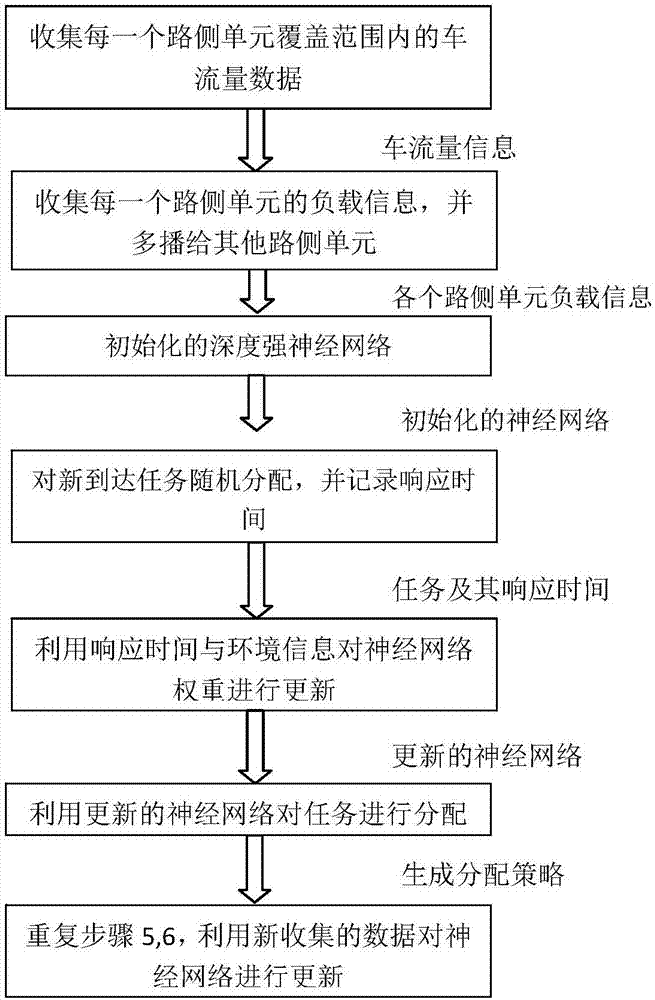
[0101] For this area, there are 10 roadside units, count the number of vehicles in each roadside unit within a certain period of time, unit (vehicle) {Q 1 ,Q 2 ,...Q 10}. Get the task queue length {L of each roadside unit 1 , L 2 ,... L 10}.
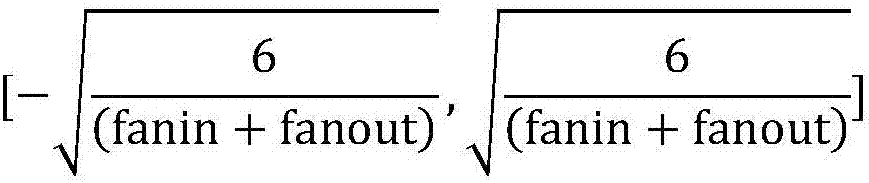
[0102] Secondly, initialize the neural network for task assignment as an input layer of 20 neurons, a first hidden layer of 7 neurons, a second hidden layer of seven neurons, and an output layer of 10 neurons .
[0103] Again, warm up the neural network, and record the response time and environment variables of the tasks within a period of time according to the strategy of random assignment.
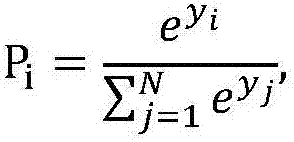
[0104] Then, the profit value of each strategy is calculated according to the response time, and the profit value is standardized in order to clarify whether the strategy is good or bad.
[0105] Next, the neural network is updated based on the BP algorithm us...
PUM
 Login to View More
 Abstract
Description
Claims
Application Information
 Login to View More