
Terahertz liquid crystal phase shifter based on magnetic nanoparticle and preparation method thereof
A liquid crystal phase and magnetic nanotechnology, applied in the field of terahertz applications, can solve the problems of weak pre-orientation ability and complicated control methods of terahertz liquid crystal phase shifters, and achieve simple and reliable preparation methods, large phase shift tuning range, and low material cost cheap effect
Patent Information
- Authority / Receiving Office
- CN · China
- Current Assignee / Owner
- Publication Date
- 2019-02-01
- Estimated Expiration
- Not applicable · inactive patent
Smart Images
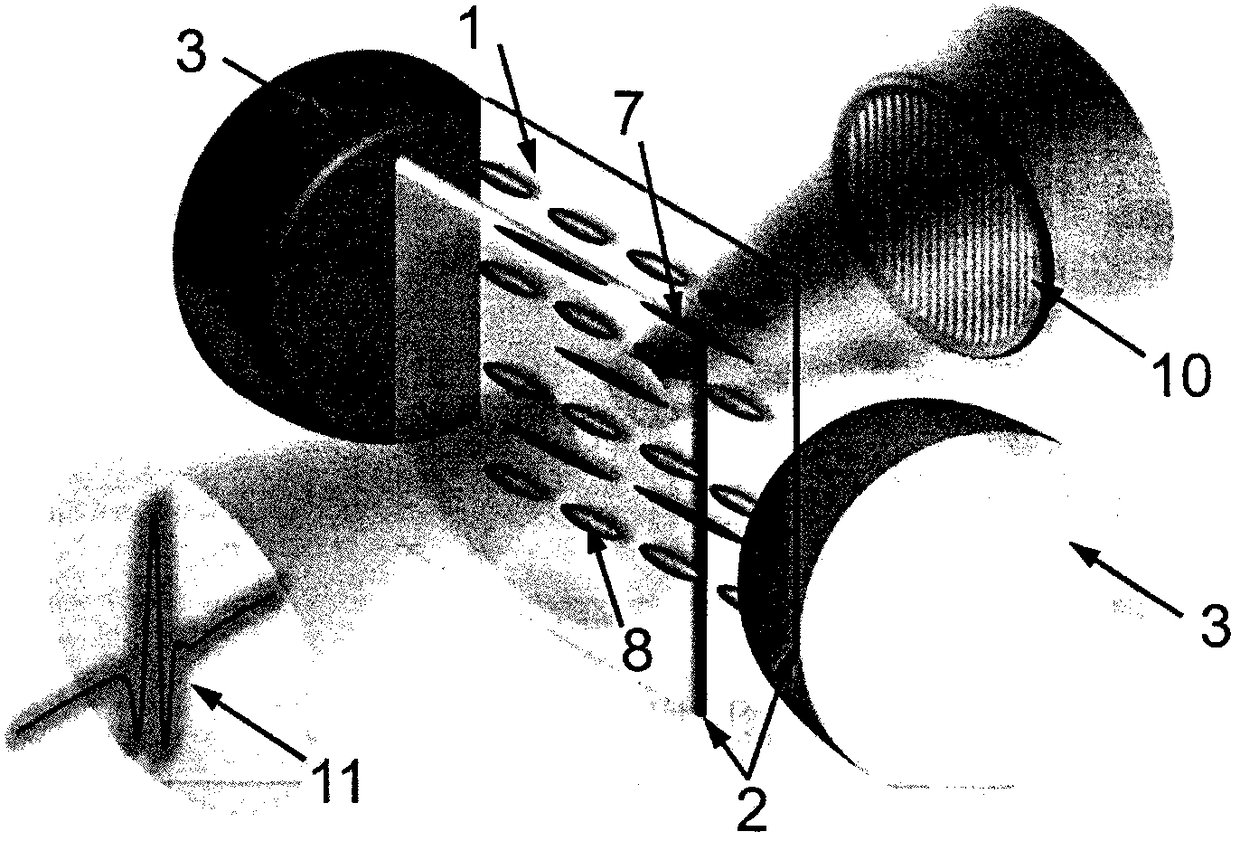
Figure 1 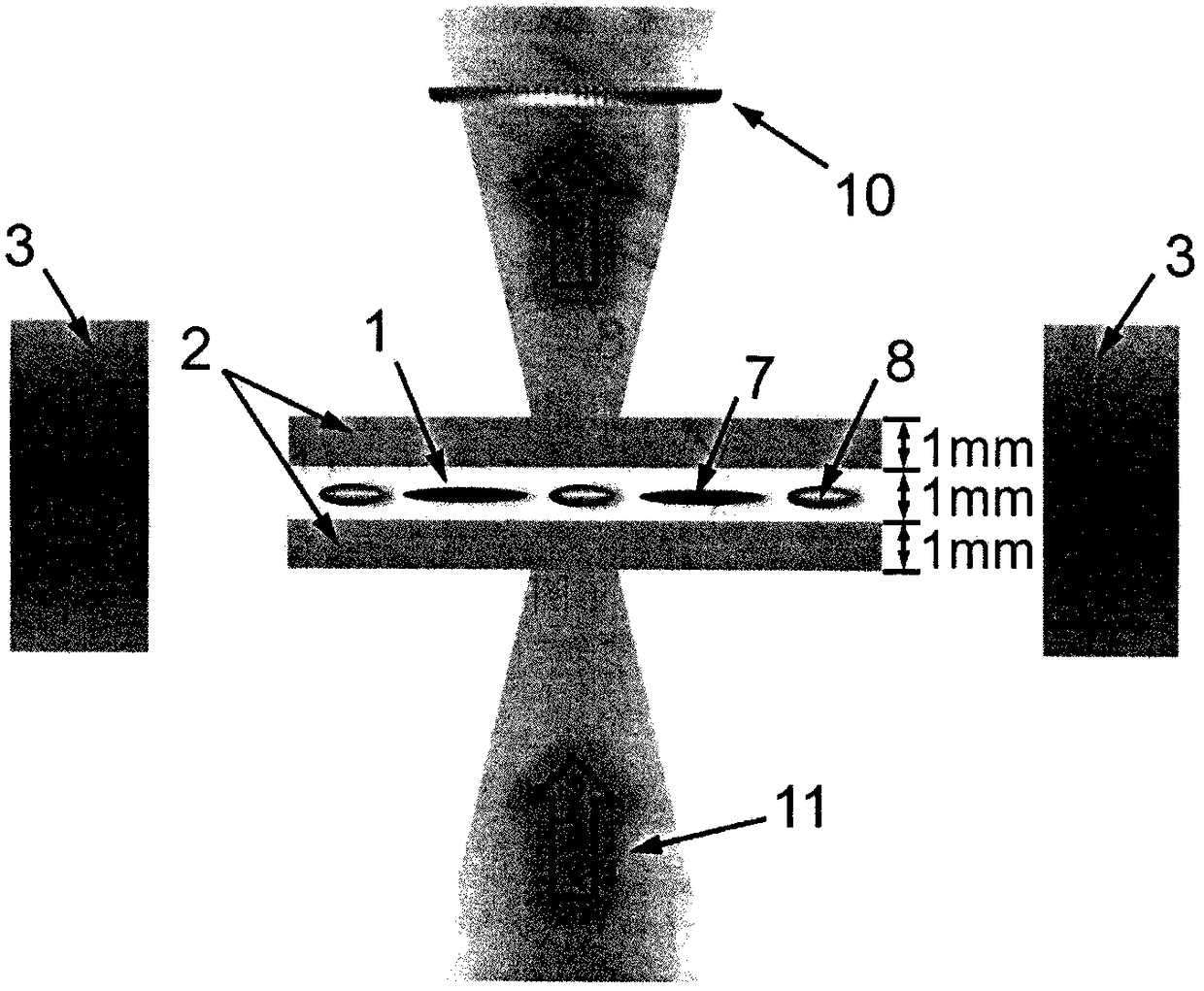
Figure 2 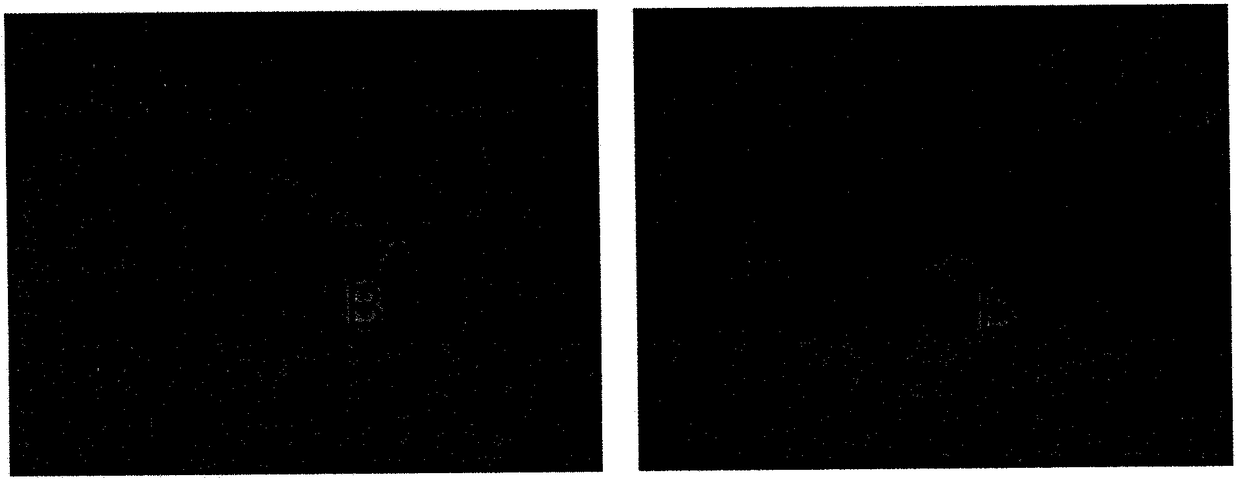
Figure 3
Abstract
Description
technical field
[0001] The invention belongs to the technical field of terahertz applications, and in particular relates to a terahertz magnetic nano liquid crystal phase shifter and a preparation method thereof. Background technique
[0002] Terahertz (THz, 1THz=10 12 THz) waves refer to electromagnetic waves with an oscillation frequency in the range of 0.1-10 THz, and their corresponding wavelength ranges from 3 mm to 30 μm. This band is between microwaves and light waves, and is an intersecting field between electronics and photonics. Due to its special position in the electromagnetic spectrum, THz waves have the advantages of low photon energy, high penetration, fingerprint spectrum and high signal-to-noise ratio, and have broad application prospects in the fields of safety detection, nondestructive testing, and material spectroscopy. With the rapid development of terahertz sources and detectors, there is an increasing demand for high-performance functional devices, su...
Examples
Embodiment Construction
[0028] Working principle and method of the present invention are illustrated by following examples:
[0029] Will Fe 3 o 4The magnetic nanoparticle dispersion fluid and the magnetic fluid are dispersed into the liquid crystal 5CB solvent at room temperature to form a ferromagnetic liquid crystal, wherein the concentration ratio of the magnetic nanoparticle dispersion liquid magnetic fluid and the liquid crystal 5CB solvent is 0.05wt%, and then the ferromagnetic liquid crystal is encapsulated into a spacer A non-oriented liquid crystal cell with a thickness of 1 mm is used as the sample to be tested. The liquid crystal cell is made by sealing two glass plates with a thickness of 1 mm with quartz powder. figure 1 and figure 2 They are the three-dimensional schematic diagram and the top view of the experimental test respectively. A beam of y-polarized linearly polarized light is incident into the sample to be tested, and a variable external magnetic field in the x direction is...