Waste lithium ion battery crushing and sorting device and method

A lithium-ion battery and sorting device technology, which is applied in battery recycling, waste collector recycling, recycling technology, etc., can solve the problems of poor sorting effect and low recovery rate of black powder, and achieve improved crushing efficiency and high Consistency, the effect of improving the recovery rate

CN109604024APending Publication Date: 2019-04-12ZHUZHOU DINGDUAN EQUIP CO LTD
10 Cites 19 Cited by

Patent Information

Authority / Receiving Office
CN · China
Patent Type
Applications(China)
Current Assignee / Owner
Publication Date
2019-04-12

Smart Images

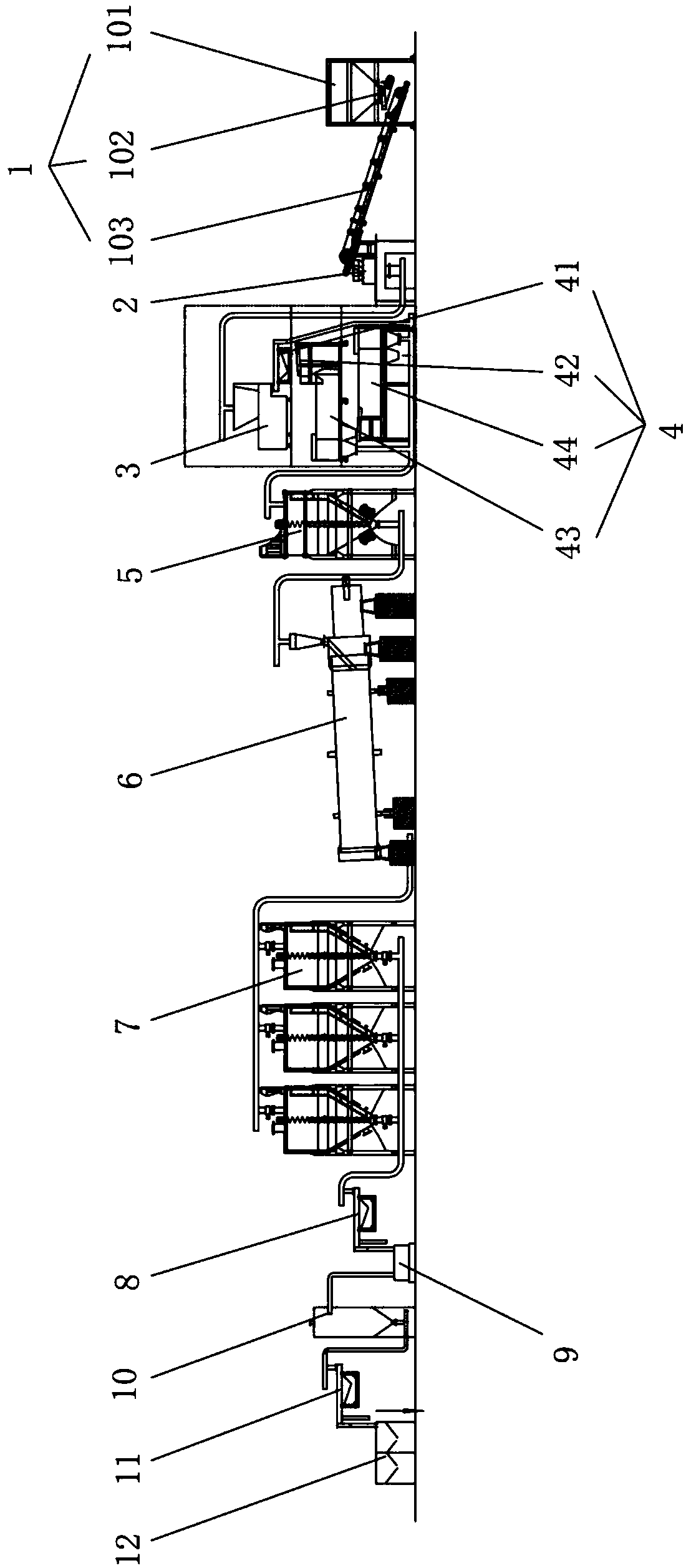
  • Figure 1
    Figure 1
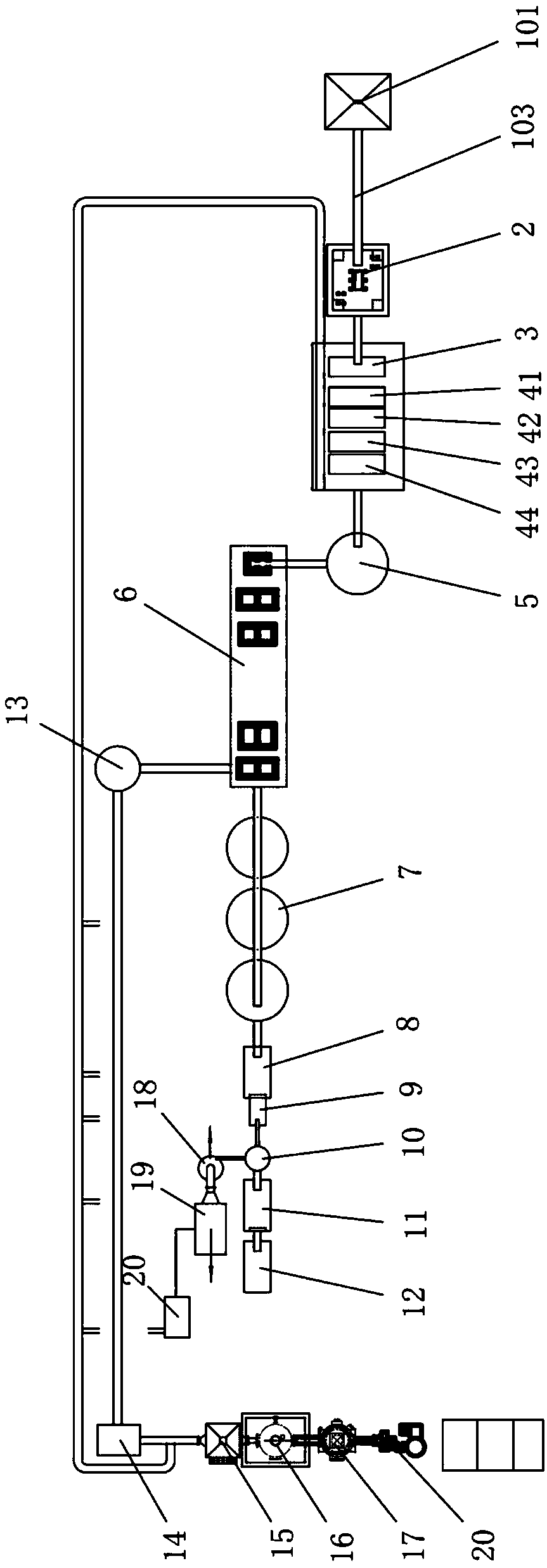
  • Figure 2
    Figure 2
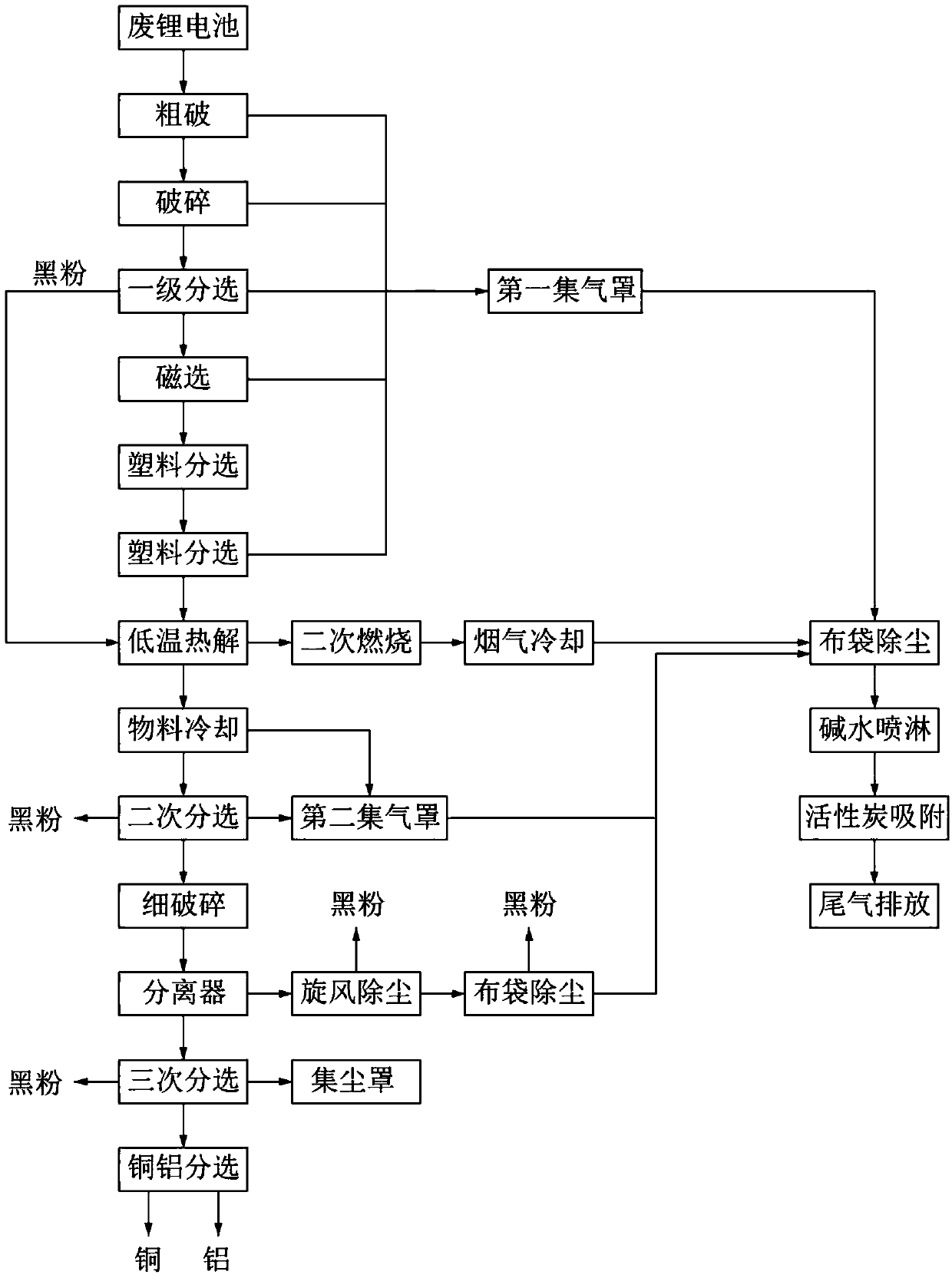
  • Figure 3
    Figure 3
Patent Text Reader

Abstract

The invention discloses a waste lithium ion battery crushing and sorting device and method. The crushing and sorting device comprises a feeding device; a rough crushing machine of which the feeding end is connected with the discharging end of the feeding device; a crushing machine of which the feeding end is connected with the discharging end of the rough crushing machine; a multistage sorting device of which the feeding end is connected with the discharging end of the crushing machine; a pyrolyzing furnace of which the feeding end is connected with the discharging end of the multistage sorting device; a material cooling bin of which the feeding end is connected with the discharging end of the pyrolyzing furnace; a second vibrating screen of which the feeding end is connected with the discharging end of the material cooling bin; a fine crushing machine of the feeding end is connected with the discharging end of the second vibrating screen; a third vibrating screen of which the feedingend is connected with the discharging end of a separator; and a jigging machine of which the feeding end is connected with the discharging end of the third vibrating screen. According to the waste lithium ion battery crushing and sorting device and method, high-efficiency recovery of valuable components in a lithium ion battery can be achieved; and the sorting effect is good, and the recovery rateof black powder is high.
Need to check novelty before this filing date? Find Prior Art

Description

technical field

[0001] The invention relates to the technical field of recycling and processing of waste lithium-ion power batteries, in particular, to a crushing and sorting device and method for waste lithium-ion batteries. Background technique

[0002] The development trend of new energy vehicles is strong. In 2018, the sales volume of new energy vehicles is expected to be 500,000 to 600,000. According to the national plan, it is a very realistic figure that the number of new energy vehicles will reach 5 million by 2020. The core component of the new energy vehicle is the power battery. The scrapping standard for the power battery of the new energy vehicle is that the battery capacity is less than 80%, which means that the power lithium battery needs to be replaced every 3 to 5 years. In 2020, the amount of scrapped power lithium batteries for pure electric passenger vehicles and hybrid electric passenger vehicles will reach 170,000 tons, and the recycling of waste power ...

Examples

Embodiment Construction

[0032] In order to facilitate understanding of the present invention, the present invention will be described more fully and in detail below in conjunction with the accompanying drawings and preferred embodiments, but the protection scope of the present invention is not limited to the following specific embodiments. It should be noted that, in the case of no conflict, the embodiments of the present invention and the features in the embodiments can be combined with each other.

[0033] Unless otherwise defined, all technical terms used hereinafter have the same meanings as commonly understood by those skilled in the art. "First", "second" and similar words used in the patent application specification and claims of the present invention do not indicate any order, quantity or importance, but are only for the convenience of distinguishing corresponding parts. Likewise, words like "a" or "one" do not indicate a limitation in number, but mean that there is at least one. Words such ...