

PCR-RFLP method for detecting single nucleotide polymorphism of gene CREB 1
A technique of PCR-RFLP and single nucleotide polymorphism, which is applied in the fields of biochemical equipment and methods, measurement/inspection of microorganisms, etc., can solve the problems that the correlation of CREB1 gene type II diabetes has not been reported yet, and is easy to be popularized and applied , low cost, high precision effect
- Summary
- Abstract
- Description
- Claims
- Application Information
AI Technical Summary
Problems solved by technology
Method used
Image

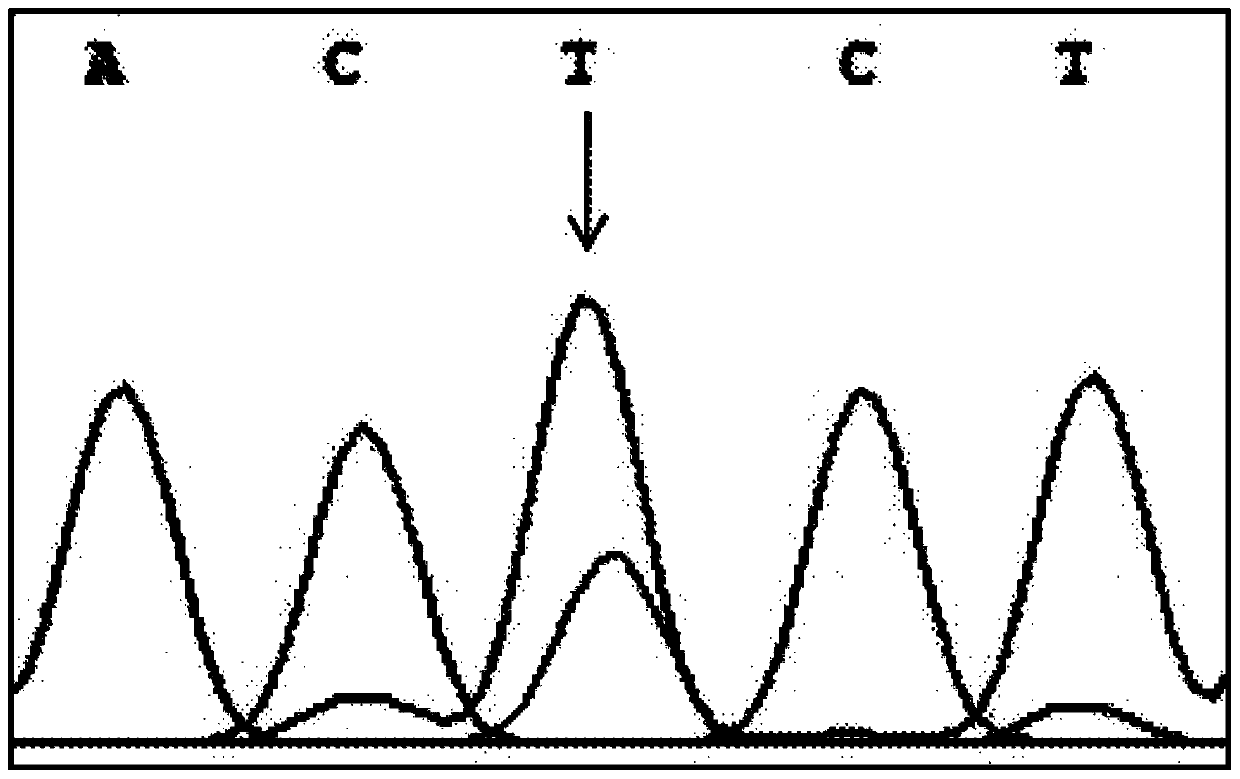
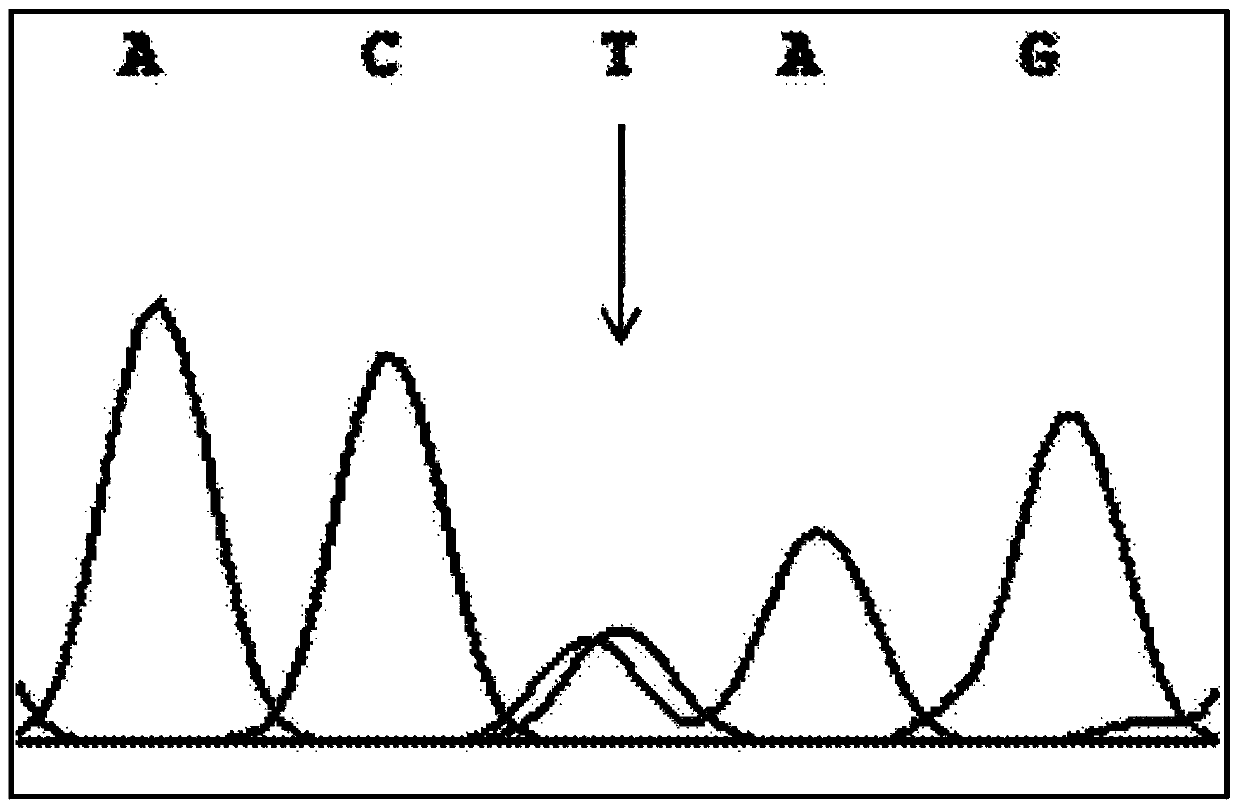
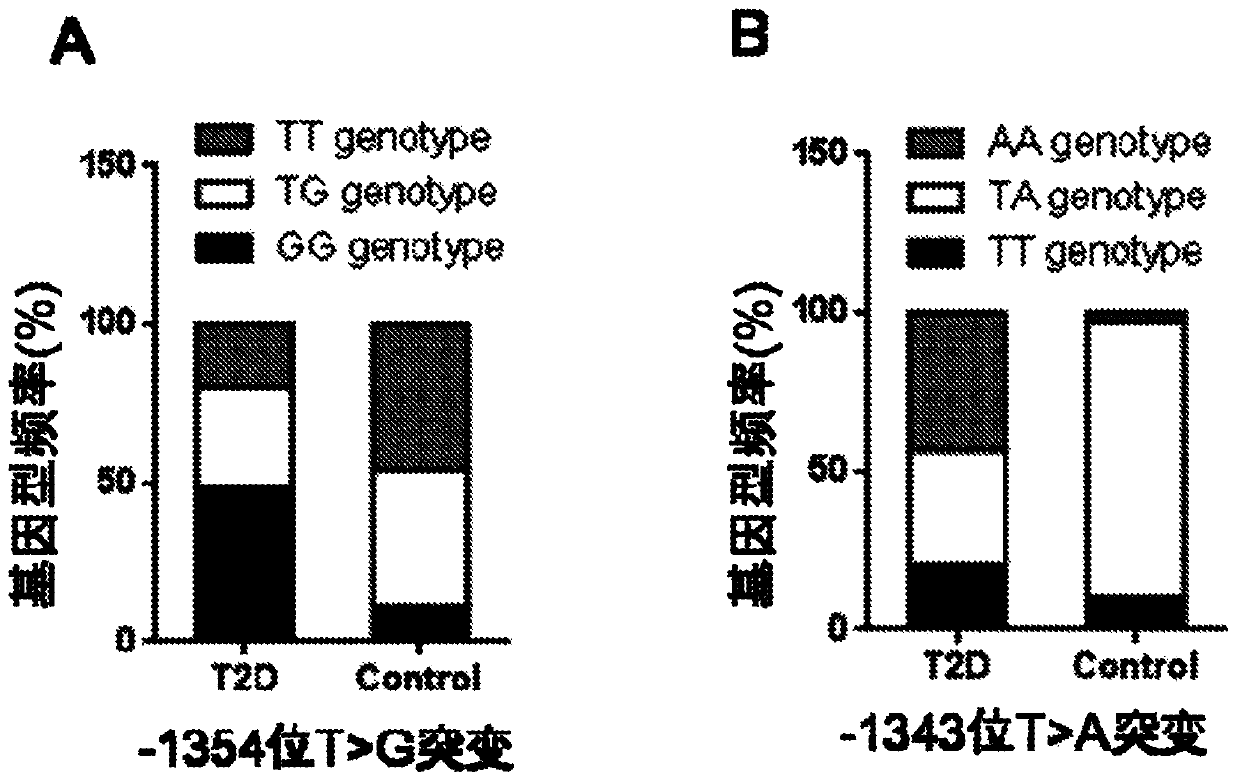
Examples
Embodiment Construction
[0027] The present invention will be further described in detail below, which is an explanation of the present invention rather than a limitation. Unless otherwise specified, the routine experimental conditions or the conditions suggested by the manufacturer's instruction were followed.
[0028] The PCR-RFLP method that is used to detect gene CREB1 single nucleotide polymorphism is characterized in that: take the blood genome DNA of diabetic patient and normal person as template, take primer pair P (F, R) as primer, PCR amplification CREB1 gene, and then use restriction endonuclease to digest it, and then electrophoresis detection can accurately identify the single nucleotide polymorphism of the sample to be tested; that is, in the presence of Taq DNA polymerase, buffer environment, Mg++, dNTPs In the case of P, use polymerase chain reaction primers to amplify P by PCR, then use restriction endonuclease to digest it, and then detect by electrophoresis to accurately identify th...
PUM
 Login to View More
 Abstract
Description
Claims
Application Information
 Login to View More