
A preparation method for improving the acid resistance of common method caramel color
A common method caramel and acid resistance technology, applied in the field of improving the acid resistance of common method caramel color, can solve the problem that acid resistance is not as good as ammonia method caramel color, etc., and achieve the effects of reducing production cost, saving energy and increasing polarity
- Summary
- Abstract
- Description
- Claims
- Application Information
AI Technical Summary
Problems solved by technology
Method used
Image

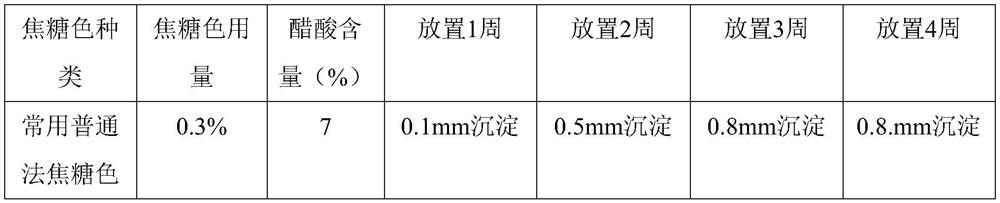
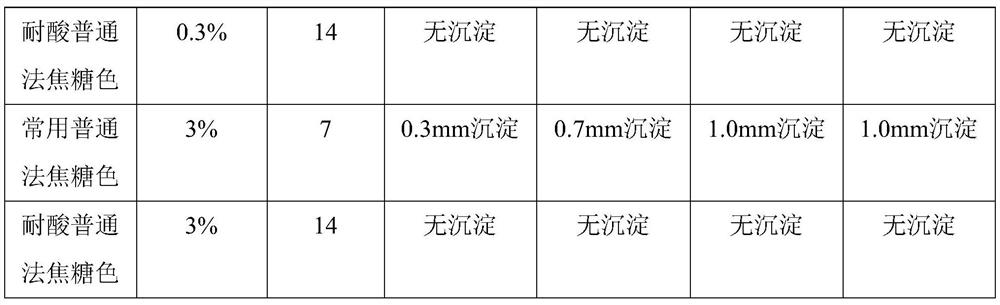
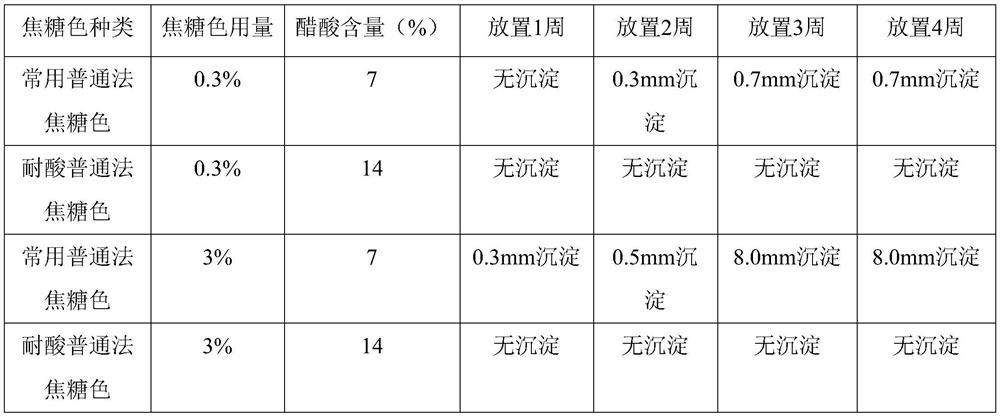
Examples
Embodiment 1
[0025] Set the production of 36Be, 20000EBC caramel color (EBC is the color rate unit of caramel color; Be refers to the Baume value of caramel color, and both color rate and Baume are the measurement indicators of caramel color); the specific steps are as follows:
[0026] (1) Metering feed: the amount of dry matter is 6000kg of maltose syrup metered into the reaction tank, and the temperature rises and concentrates the dry basis to 65%;
[0027] (2) The first step of reaction: add 36kg of hydrochloric acid and 3kg of other acids, pressurize and heat up to react until the color rate is 0.050, stop the first step of reaction;
[0028] (3) The second step of reaction: After the first reaction is completed, add 3.0kg of Grignard reagent, the flow rate is 39mL / min carbon dioxide, and react at normal temperature and pressure until the color rate is 0.076;
[0029] (4) The third step reaction: After the second reaction is completed, add liquid caustic soda to adjust the caramel col...
Embodiment 2
[0037] Set to produce 36Be, 20000EBC caramel color, the specific steps are as follows:
[0038] (1) Metering feed: the amount of dry matter is that the glucose syrup of 10000kg is metered into the reaction tank, and the temperature rises and concentrates the dry basis to 75%;
[0039] (2) The first step reaction: add 60kg hydrochloric acid and 5kg other acids, pressurize and heat up to react until the color rate is 0.050, stop the first step reaction;
[0040] (3) The second step of reaction: after the first reaction is completed, add 8 kg of Grignard reagent, feed in gaseous carbon dioxide at a flow rate of 65 mL / min, and react at normal temperature and pressure until the color rate is 0.076;
[0041] (4) The third step reaction: After the second reaction is completed, add liquid caustic soda to adjust the caramel color to pH 6.8, maintain the temperature at 108°C, and stir for 30 minutes, then cool to terminate the reaction;
[0042] (5) Blending: pump the materials into th...
Embodiment 3
[0048] Set to produce 36Be, 20000EBC caramel color, the specific steps are as follows:
[0049](1) Metering feed: the amount of dry matter is that the fructose syrup of 15000kg is metered into the reaction tank, and the temperature rises and concentrates the dry basis to 85%;
[0050] (2) The first step reaction: add 90kg hydrochloric acid and 7.5kg other acids, pressurize and heat up to react until the color rate is 0.050, stop the first step reaction;
[0051] (3) The second step of reaction: after the first reaction is completed, add 6.0kg of Grignard reagent, feed in gaseous carbon dioxide with a flow rate of 97.5mL / min, and react at normal temperature and pressure until the color ratio is 0.076;
[0052] (4) The third step reaction: After the second reaction is completed, add liquid caustic soda to adjust the caramel color to pH 7.0, maintain the temperature at 113°C, and stir for 30 minutes, then cool to terminate the reaction;
[0053] (5) Blending: pump the materials ...
PUM
 Login to View More
 Abstract
Description
Claims
Application Information
 Login to View More