
Efficient anti-crystallization SCR mixer and automobile comprising same
A mixer and anti-crystallization technology, which is applied in the field of denitrification, can solve the problems of insufficient compact design of the post-processor mixer, large overall size of the post-processor, and short mixing distance of the mixer, so as to avoid the risk of crystallization and improve ammonia mixing. uniformity, light weight effect
Patent Information
- Authority / Receiving Office
- CN · China
- Current Assignee / Owner
- Publication Date
- 2021-09-07
Smart Images
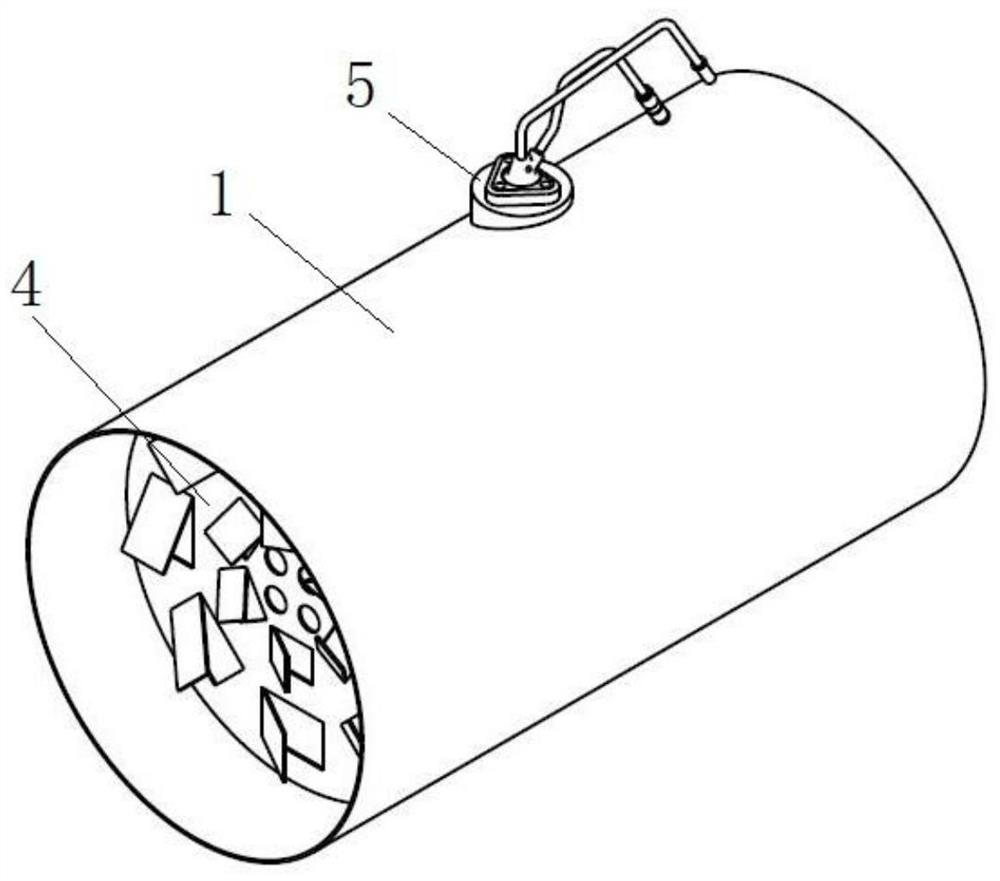
Figure 1 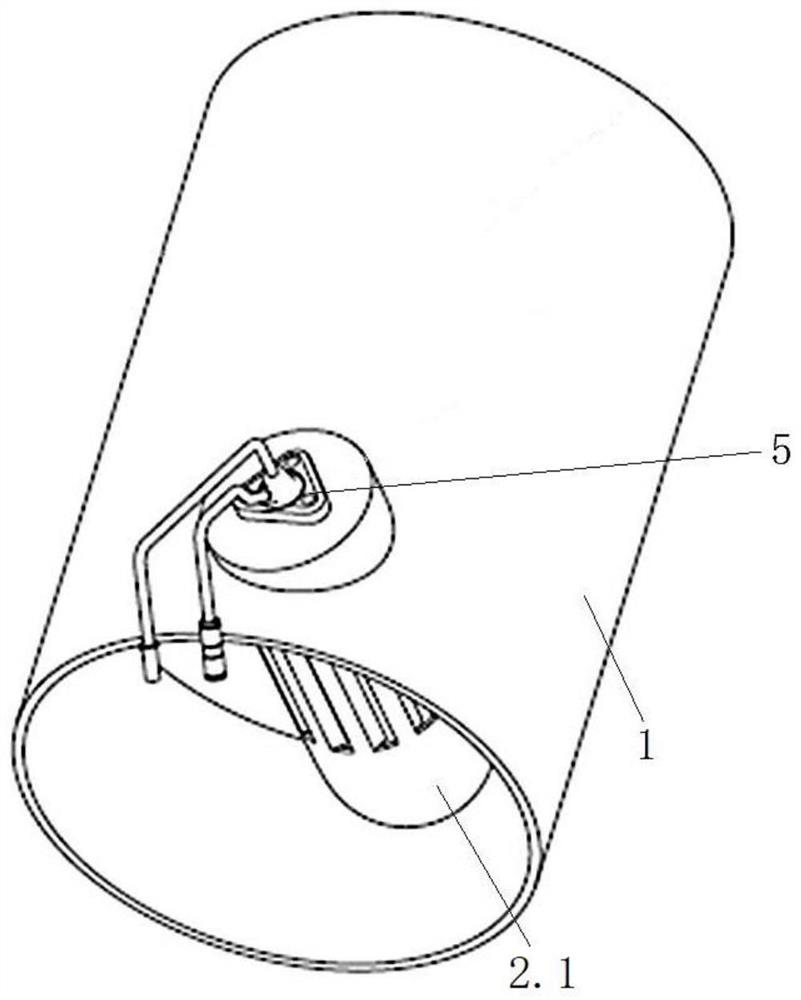
Figure 2 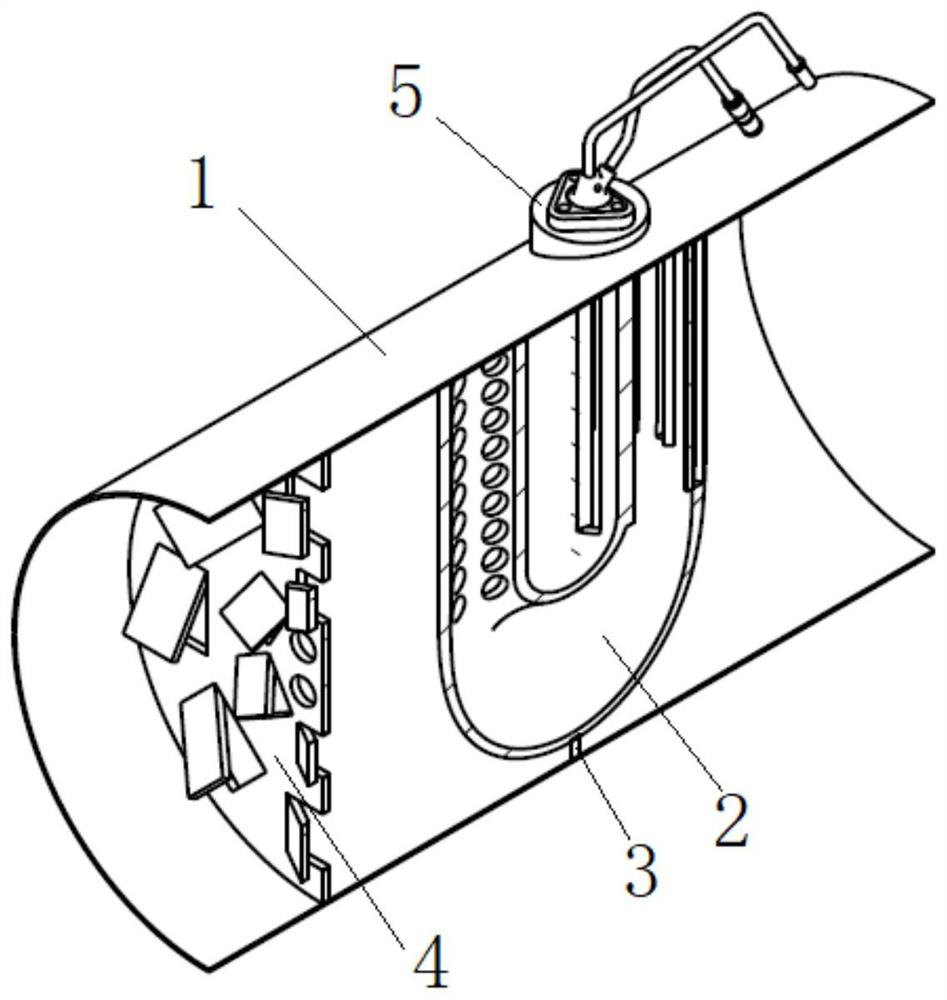
Figure 3
Abstract
Description
technical field
[0001] The invention relates to the technical field of denitrification, in particular to an SCR mixing system and an SCR mixer thereof, in particular to a high-efficiency anti-crystallization SCR mixer and an SCR exhaust aftertreatment system containing the high-efficiency anti-crystallization SCR mixer. Background technique
[0002] Selective Catalytic Reduction (SCR) refers to the use of reducing agents (such as NH3, liquid ammonia, urea) to selectively react with NOx in the flue gas under the action of a catalyst to generate non-toxic and pollution-free N 2 and H 2 O. Automotive exhaust systems include injection systems that inject diesel exhaust fluid (DEF) or a reductant, such as a solution of urea and water, upstream of a selective catalytic reduction (SCR) catalyst. A mixer is positioned upstream of the SCR catalyst and mixes engine exhaust gases and urea conversion products.
[0003] The Chinese invention patent with the authorized notification nu...
Examples
Embodiment Construction
[0033] The following will clearly and completely describe the technical solutions in the embodiments of the present invention with reference to the accompanying drawings in the embodiments of the present invention. Obviously, the described embodiments are only some of the embodiments of the present invention, not all of them.
[0034] In describing the present invention, it should be understood that the terms "upper", "lower", "front", "rear", "left", "right", "top", "bottom", "inner", " The orientation or positional relationship indicated by "outside", etc. is based on the orientation or positional relationship shown in the drawings, and is only for the convenience of describing the present invention and simplifying the description, rather than indicating or implying that the referred device or element must have a specific orientation, so as to Specific orientation configurations and operations, therefore, are not to be construed as limitations on the invention.
[0035] Such...