Model and control of a waste combustion process

A technology of combustion process and waste, applied in the direction of combustion type, controlled combustion, combustion method, etc., can solve the problems of increasing plant complexity, complex chemical process, unstable fuel quality, etc.

CN1947073AInactive Publication Date: 2007-04-11ABB RES LTD
2 Cites 3 Cited by

Patent Information

Authority / Receiving Office
CN · China
Patent Type
Applications(China)
Current Assignee / Owner
Publication Date
2007-04-11
Estimated Expiration
Not applicable · inactive patent

Smart Images

  • Figure 1
    Figure 1
  • Figure 2
    Figure 2
  • Figure 3
    Figure 3
Patent Text Reader

Abstract

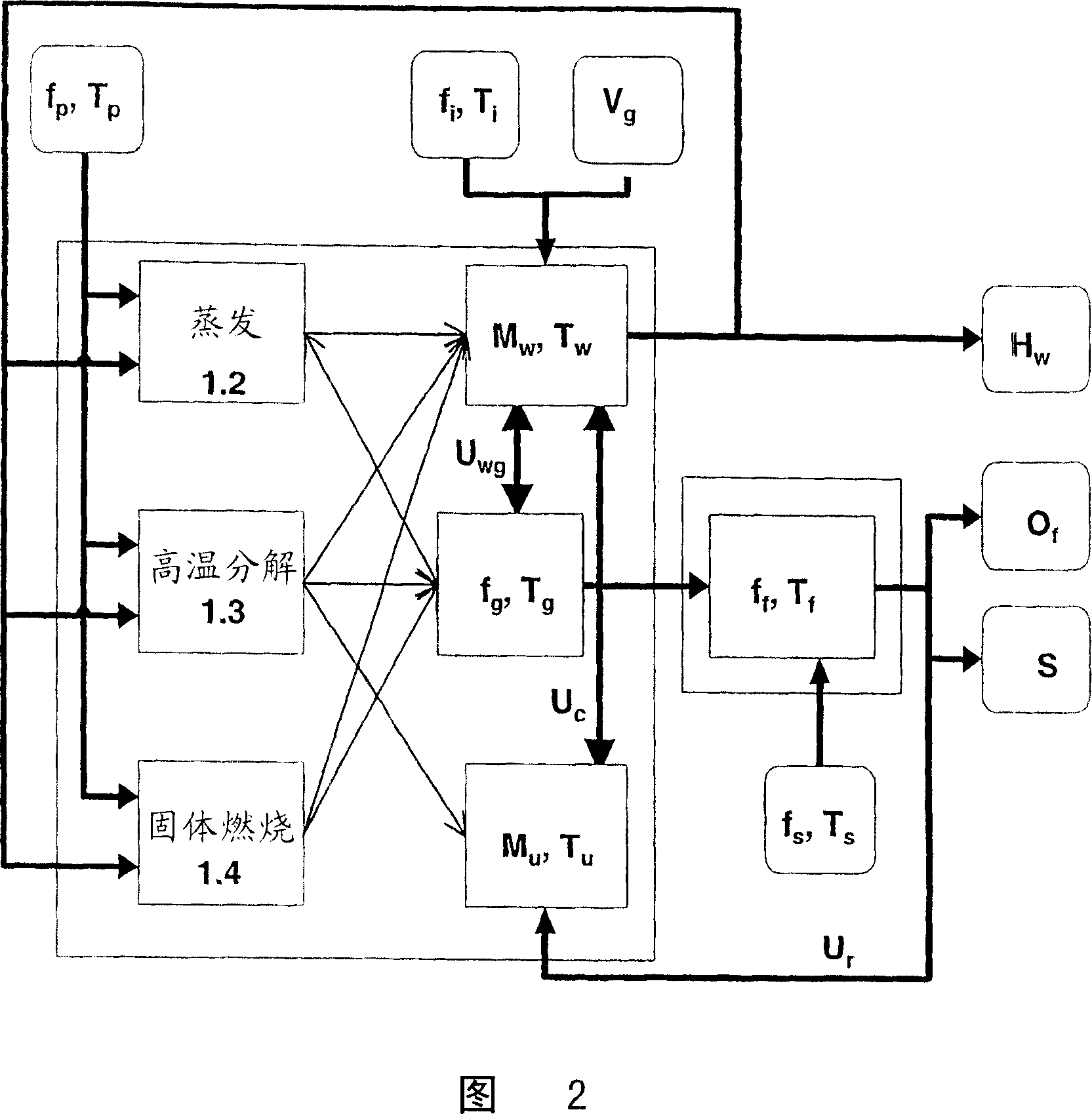
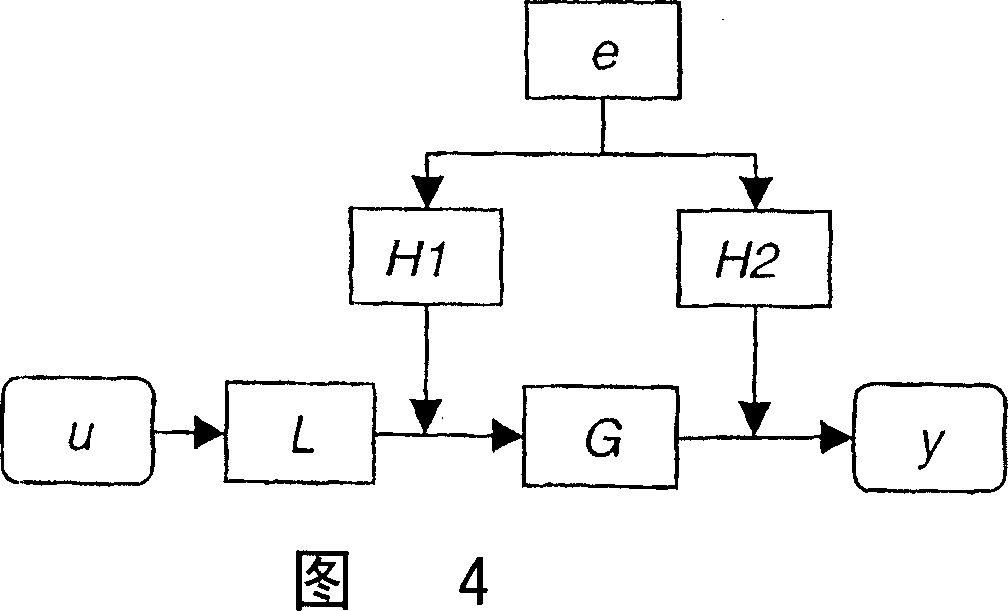
The present invention is concerned with a model of a waste combustion process which is accurate and of limited computational complexity at the same time and thus is suitable for controlling or simulating a waste incineration plant. A pile of waste is represented by two layers, and the heat transfer from a gas combustion phase or flame above the pile is limited to a heat radiation interaction between the flame and upper one of the layers. The resulting model-based controller for a waste incineration grate takes into account a variability of the waste composition via filtered white noise. The controller can assist the operator in maintaining constant process conditions and maximizing the throughput of the plant at constant energy output, or realize a training simulator to educated operators in running a waste to energy plant secure, reliable and efficient.
Need to check novelty before this filing date? Find Prior Art

Description

technical field

[0001] The present invention relates to the field of waste combustion and incineration. It derives from a method for modeling a waste combustion process in a waste incineration plant and a device for controlling a waste incineration plant and for simulating a waste combustion process as described in the preambles of claims 1, 9 and 10, respectively equipment. Background technique

[0002] Municipal and industrial waste is treated in waste incineration plants to reduce the volume of deposited waste and to convert environmentally harmful components of waste such as aromatic (aromatic) hydrocarbons or organic solvents into harmless mixtures. The ever-increasing amount of waste to be processed has led to incineration plants with multiple tracks capable of incinerating several tens of tons of waste per hour. So-called waste-to-energy plants (waste-to-energy plants) don't just incinerate waste into ash, they also convert the heat of combustion into steam, for exa...

Examples

Embodiment Construction

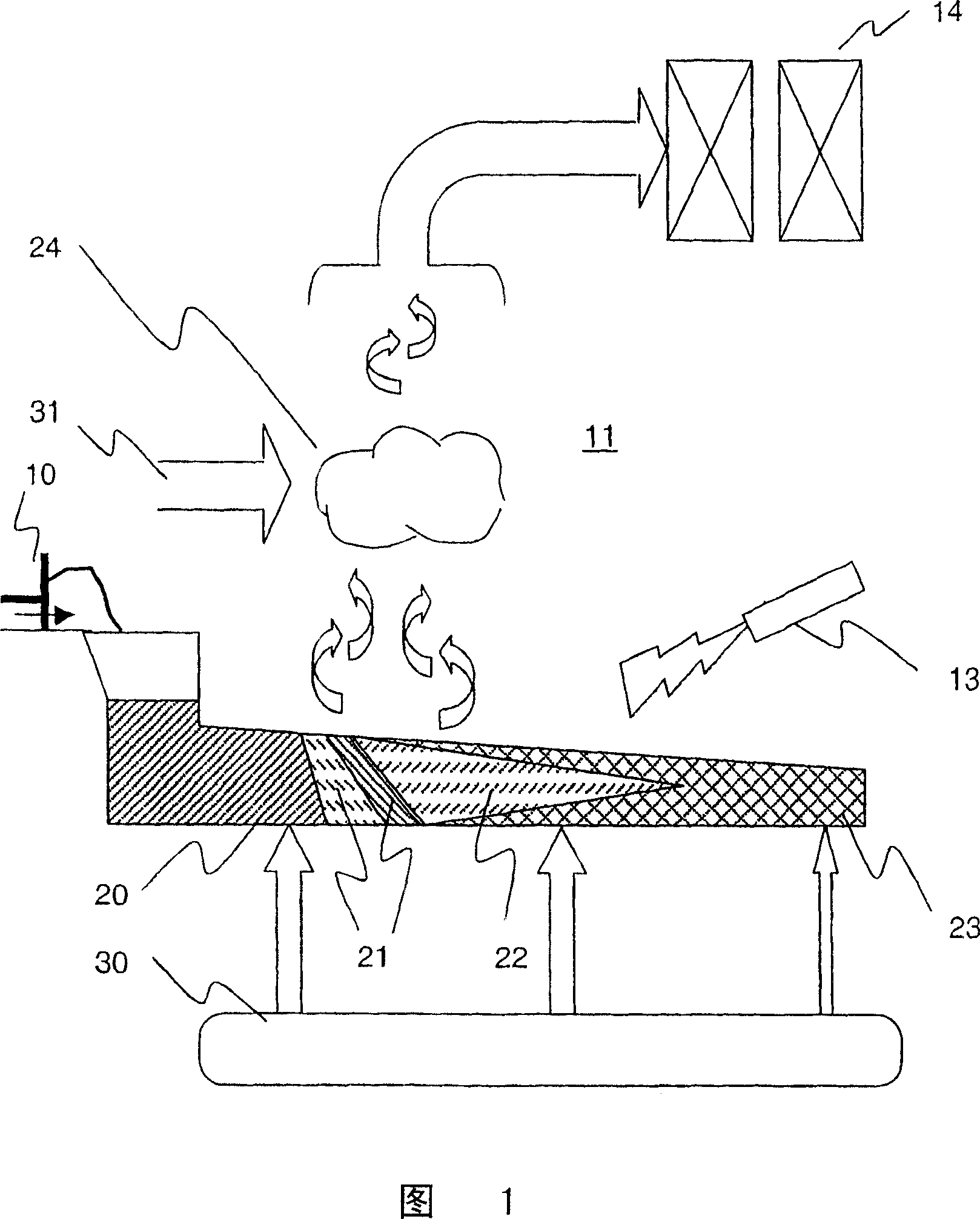
[0024] Figure 1 schematically shows a waste incineration plant with the following essential parts. An input feed mechanism or drive (10) directs municipal or industrial waste, garbage or other debris into the furnace (11) and rests the former on a supported movable grate (12), forming a waste bed. The grate (12) typically includes relatively movable grate plates for spreading, mixing and generally forward propelling of the waste on the grate (12). An auxiliary burner 13) may be provided to initiate or support the combustion process. The exhaust gases of the combustion are collected in the chimney and directed to the boiler (14) for heating the steam.

[0025] Without general loss, the incineration process is divided into four zones spanned in series by the waste: a drying zone (20), a first combustion zone (21) for pyrolysis and gasification / volatilization, for charred oxidation or solids Combustion residue zone (22) and ash handling / sintering zone (23). These zones are not...