Apparatus to simulate MR properties of human brain for MR applications evaluation

a technology of brain properties and apparatus, applied in the field of apparatus and methods for simulating brain properties, can solve the problems of researchers and software designers being unable to precisely define and control the anatomical conditions, research groups may be publicly adversely affected by the use of animals in medical testing, and researchers and design engineers forfeiting a certain amount of control over testing conditions, etc., to achieve the effect of improving contrast and white matter

US6965235B1Inactive Publication Date: 2005-11-15GENERAL ELECTRIC CO
14 Cites 27 Cited by

Patent Information

Authority / Receiving Office
US · United States
Current Assignee / Owner
Publication Date
2005-11-15
Estimated Expiration
Not applicable · inactive patent

Smart Images

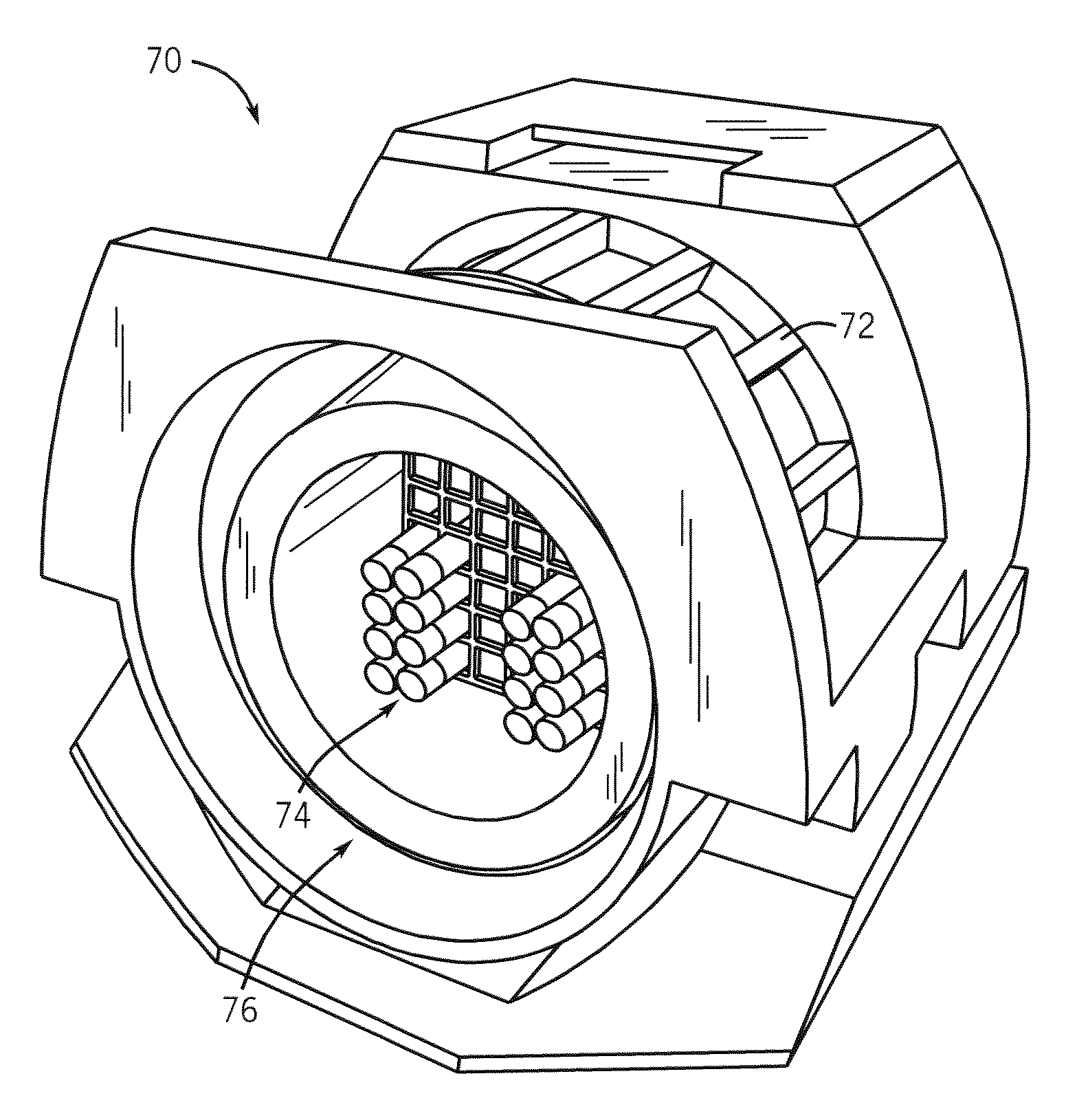
  • Figure 1
    Figure 1
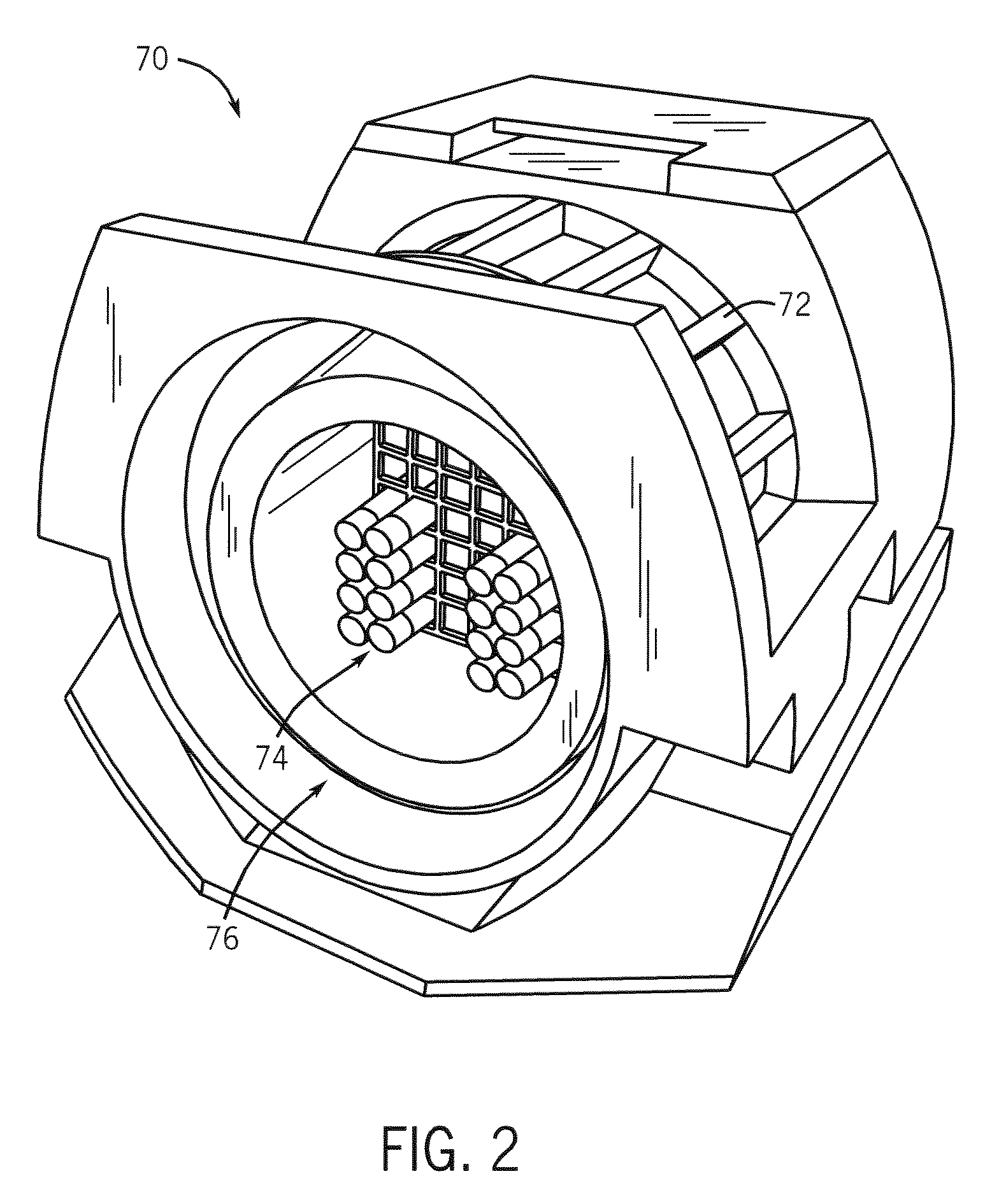
  • Figure 2
    Figure 2
  • Figure 3
    Figure 3
Patent Text Reader

Abstract

A system and method for mimicking a human brain for MR imaging at various magnetic field strengths is disclosed. A phantom is constructed of a structure having a number of sections. A first section contains a mixture of nickel chloride, agarose gel powder, potassium sorbate, deuterium oxide, and water such that the T1, T2, and proton density values of the first section mimic white matter of the human brain. A second section contains different amounts of the same components such that the T1, T2, and proton density values of the second section mimic gray matter of the human brain. As such, when the phantom is scanned in an MR imaging machine, an optimized flip angle for T1-weighted imaging to improve contrast between white matter and gray matter of the human brain that takes into account proton density differences therebetween can be determined.
Need to check novelty before this filing date? Find Prior Art

Description

BACKGROUND OF INVENTION

[0001] The present invention relates generally to simulating anatomical conditions of a patient for MR applications evaluation and, more particularly, to an apparatus and method for simulating brain properties for improved MR scanner calibration and pulse sequence design.

[0002] To properly develop and test imaging protocols and techniques it is necessary for radiologists, researchers, software design engineers, and technicians to accurately and precisely simulate imaging conditions including general anatomical conditions of a typical patient. Known techniques include the use of animals to simulate the anatomical conditions of a human patient. Using animals to create a sample test condition has a number of disadvantages.

[0003] First, acquisition and care of animals often requires extensive and continual expenditures. Animals must be properly cared for and fed to maintain the health of the animal but also to be compliant with a number of regulations associated with...

Examples

Embodiment Construction

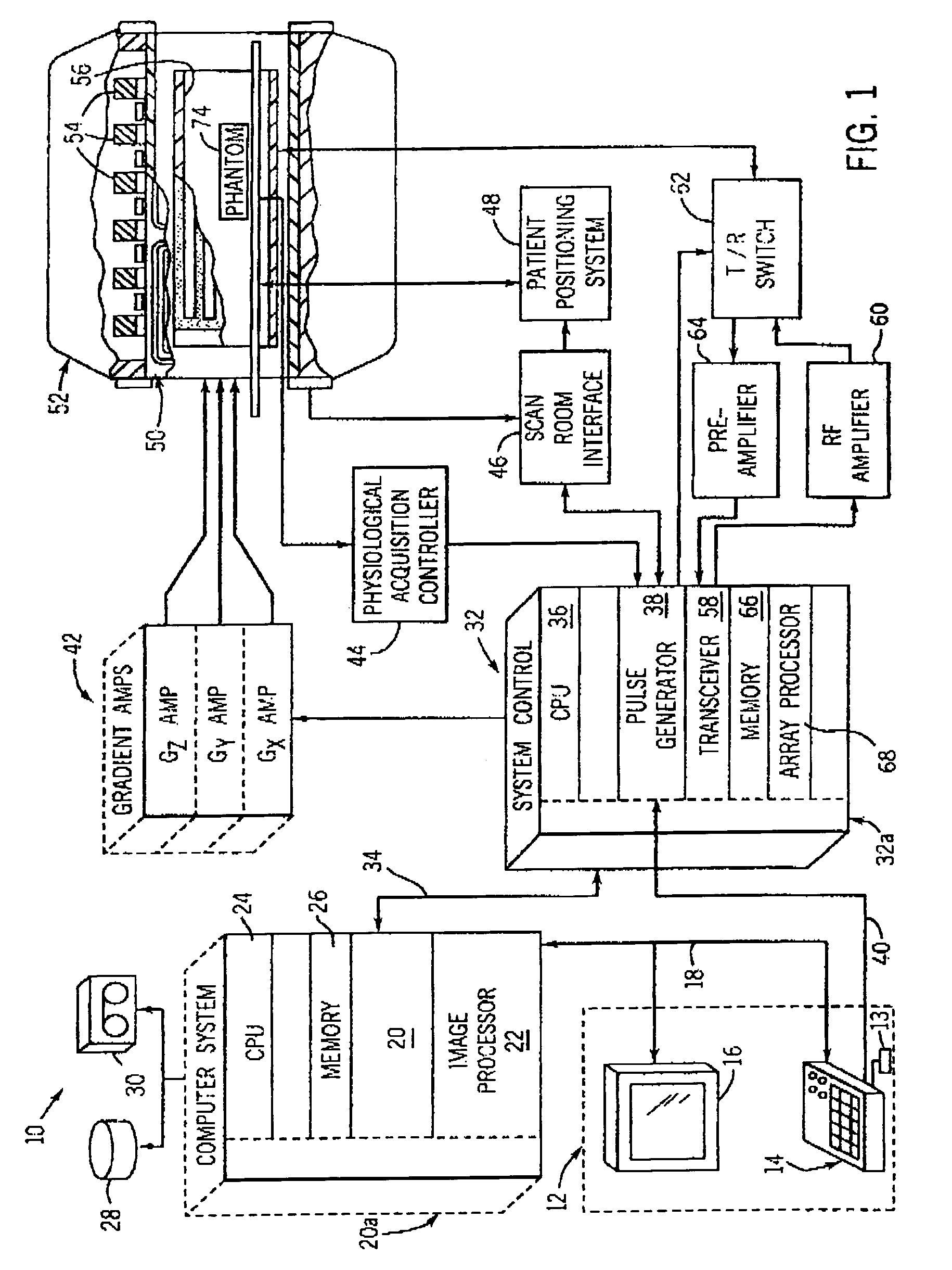
[0021]Referring to FIG. 1, the major components of a preferred magnetic resonance imaging (MRI) system 10 incorporating the present invention are shown. The operation of the system is controlled from an operator console 12 which includes a keyboard or other input device 13, a control panel 14, and a display screen 16. The console 12 communicates through a link 18 with a separate computer system 20 that enables an operator to control the production and display of images on the display screen 16. The computer system 20 includes a number of modules which communicate with each other through a backplane 20a. These include an image processor module 22, a CPU module 24 and a memory module 26, known in the art as a frame buffer for storing image data arrays. The computer system 20 is linked to disk storage 28 and tape drive 30 for storage of image data and programs, and communicates with a separate system control 32 through a high speed serial link 34. The input device 13 can include a mous...