
Omega conotoxins
a technology of omega conotoxins and omega conotoxins, which is applied in the field of new conotoxin peptides, can solve the problems of difficult clinical administration in a clinical setting, unsuitable therapeutic candidates for -conotoxins, and less selective n-type vsccs of -conotoxins, and achieves low specificity to n-type calcium channels and low reversibility
- Summary
- Abstract
- Description
- Claims
- Application Information
AI Technical Summary
Benefits of technology
Problems solved by technology
Method used
Image

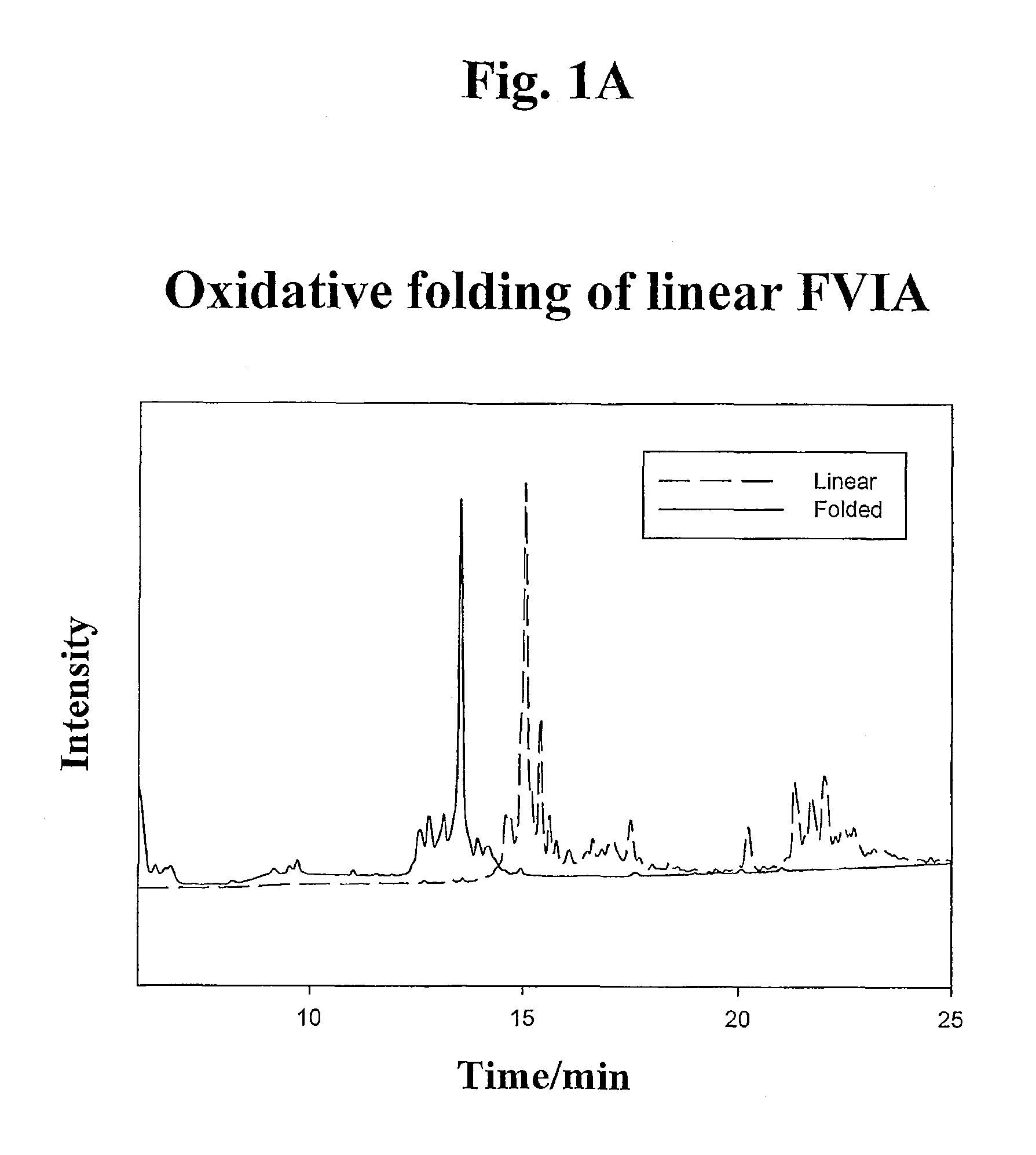
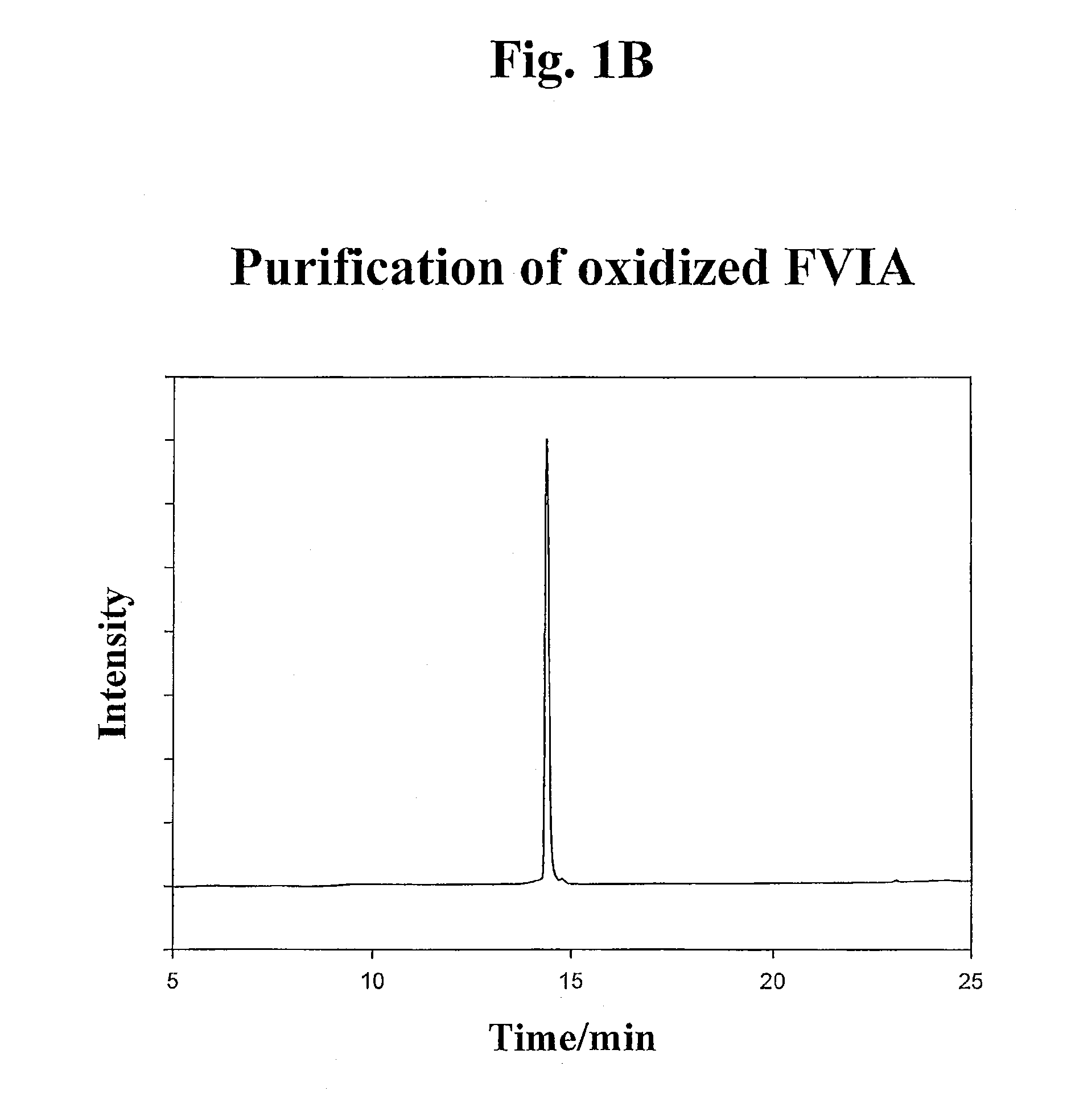
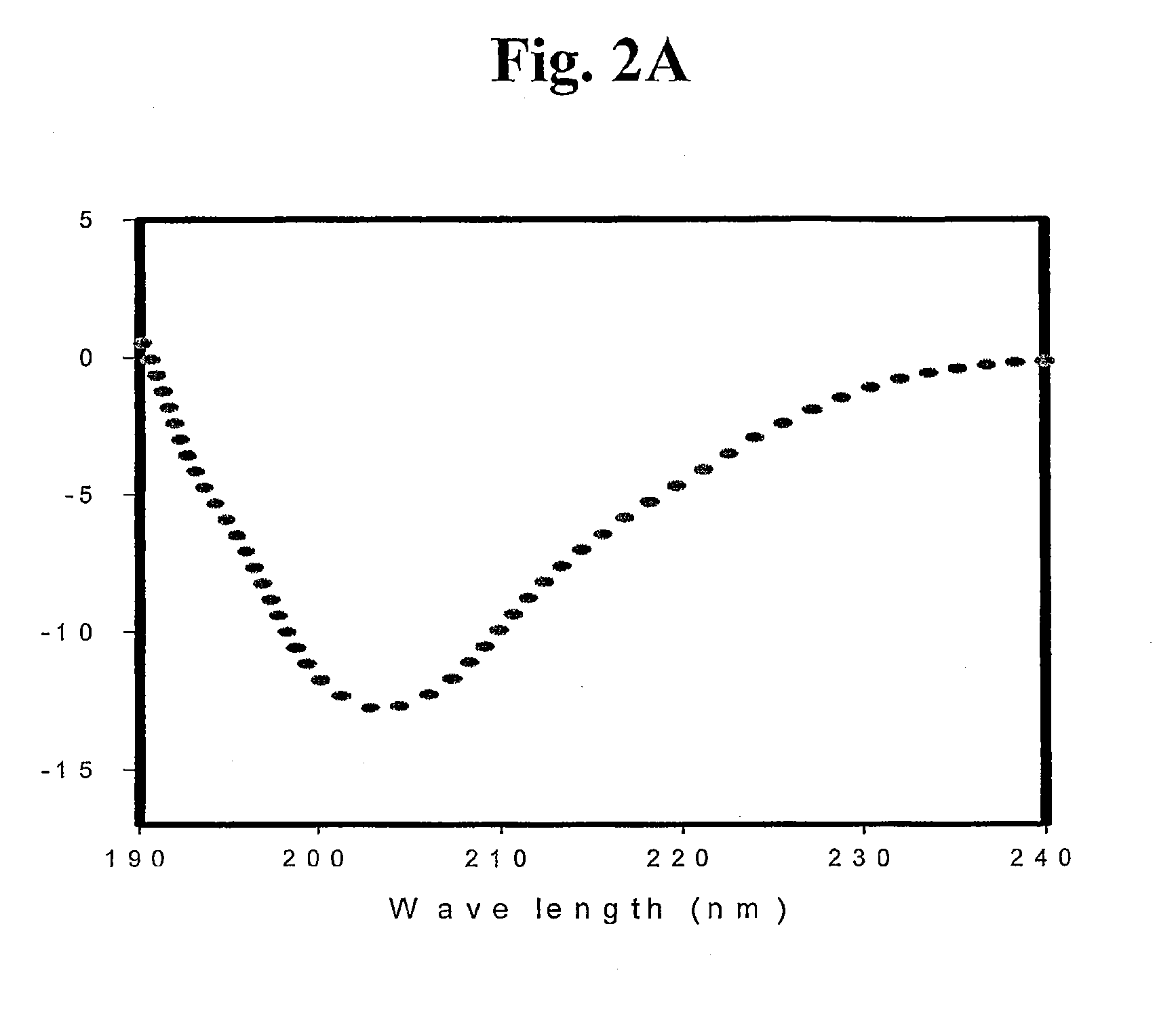
Examples
examples
Materials and Methods
Toxin Extraction and Sequencing
[0119]Conus Flavidus was collected from the coast of the Je-Ju Island of Korea. Venom duct, radula sac and bulb contents were extracted with 30% acetic acid / water and centrifuged. Supernatants was lyophilized and stored at −20° C. prior to use. A portion of the crude venom extract was fractionated on a semi-preparative RP-HPLC column (25×250 mm C18, shimpack) eluted at 14 ml / min with a linear gradient of 1% solvent B over 65 min (solvent A 100% H2O, solvent B 100% acetonitrile containing 0.1% trifluoracetic acid). Crude venom extract was divided into 8 fractions, and third and fifth fractions were further purified by RP-HPLC. The molecular masses of the peptides were determined by using MALDI-MS (Shimadzu). The samples were prepared with α-cyano-4-hydroxycinnamic acid as matrix. External calibration was performed with angiotensin.
[0120]The purified peptide was reduced in the presence of 40 mM DTT and 50 mM ammonium bicarbonate pH7....
PUM
| Property | Measurement | Unit |
|---|---|---|
| pH | aaaaa | aaaaa |
| pH | aaaaa | aaaaa |
| pH | aaaaa | aaaaa |
Abstract
Description
Claims
Application Information
 Login to View More