Application of chitosan complex for cigarette filter tip and preparation thereof

A cigarette filter and chitosan technology, which is applied in applications, e-liquid filter elements, tobacco, etc., to achieve the effect of improving filtration performance, simple use method, and strong practicability

CN101194756AInactive Publication Date: 2008-06-11CHINA TOBACCO HUNAN INDAL CORP
0 Cites 11 Cited by

Patent Information

Authority / Receiving Office
CN · China
Current Assignee / Owner
Publication Date
2008-06-11
Estimated Expiration
Not applicable · inactive patent

Smart Images

  • Figure 1
    Figure 1
Patent Text Reader

Abstract

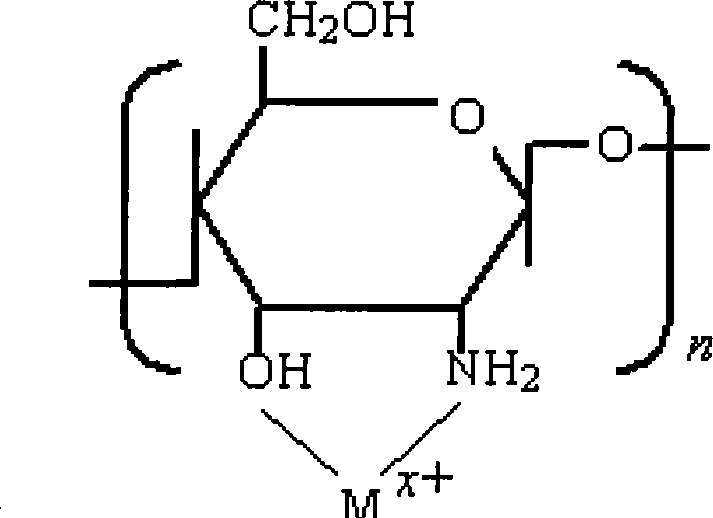
The invention relates to an application of chitose complex on the cigarette filter up and belongs to the field of cigarette filter up process technique, wherein the chitose complex is used as the cigarette acetate fiber surface modification and additive agent; the chitose in the chitose complex is in a mole ratio with the total metal ions as 5:1 to 12:1. The invention has simple process and good utility, can improve the filtering property of the acetate fiber cigarette filter up, and can effectively lower the poisonous components, in particular coke tar, hydrocyanic acid and volatile aldehude in the cigarette smoke through the application of the modification and addition agents of the chitose complex in the acetate fiber. Compared with the cigarette made by the common acetate fiber tow of the filter up rod, the coke tar is lowered by 15.8 %, aldehyde substance is lowered by 27.1 % and the hydrocyanic acid is lowered by 29.2 % in the cigarette made by the invention process.
Need to check novelty before this filing date? Find Prior Art

Description

technical field

[0001] The invention discloses a preparation method of chitosan complex modified diacetate fiber and its application in cigarettes, belonging to the technical field of cigarette filter preparation. Background technique

[0002] The harmful substances produced by cigarette combustion mainly include tar, carbon monoxide, hydrocyanic acid, volatile aldehydes, ammonia, nitrosamines, benzo[α]pyrene and phenols. There are cancer-inducing substances in tar, which can change the genetic structure of cells, turning normal cells into cancer cells, or stimulating stimulated cells, leading to the formation of tumors. Hydrogen cyanide is highly toxic. CN - Into the body, it can quickly interact with Fe of cytochrome oxidase 3+ Combined, the cells lose their ability to use oxygen, causing "cell suffocation" or "intracellular suffocation", the physiological and biochemical functions of the cells are also stopped, the structure is damaged, and eventually cell death is cau...

Examples

Embodiment 1

[0036] 1mol of powder chitosan (molecular weight is 10000, deacetylation degree is 90%) solution water, is mixed with the aqueous solution of 30wt%; Get the copper chloride of 0.143mol, dissolves in water, is mixed with the aqueous solution of 20wt% concentration; Add the copper solution into the chitosan solution under certain conditions, continue stirring for 30 minutes to obtain a uniform solution, and obtain a chitosan copper complex solution after standing for 8 hours. The chitosan complex is added to the cellulose acetate in an amount of 0.6% by weight of the cellulose acetate.

Embodiment 2

[0038] 1mol of powdered chitosan (molecular weight is 10000, deacetylation degree is 90%) solution water, is mixed with the aqueous solution of 30wt%; Get the ferric chloride of 0.143mol, dissolves in water, is mixed with the aqueous solution of 20wt% concentration; All the other operations Same as implementation 1.

Embodiment 3

[0040] 1mol of powder chitosan (molecular weight is 10000, deacetylation degree is 90%) solution water, is mixed with the aqueous solution of 30wt%; Get the ferric chloride of 0.071mol and the cupric chloride of 0.071mol, dissolve in water altogether, be mixed with An aqueous solution with a concentration of 20 wt %; the mixed solution of iron and copper is added to the chitosan solution under stirring conditions, and the stirring is continued for 30 minutes to obtain a uniform solution; the rest of the operations are the same as in Implementation 1.