Moving high flux x-ray target and assembly

a high-fluid, x-ray tube technology, applied in the direction of x-ray tube electrodes, electrical devices, electric discharge tubes, etc., can solve the problems of deterioration and breakdown of the target structure, relatively low life, and inability to move, so as to improve heat management, increase dissipation, and improve heat dissipation.

US20100284517A1Inactive Publication Date: 2010-11-11GENERAL ELECTRIC CO
2 Cites 2 Cited by

Patent Information

Authority / Receiving Office
US · United States
Current Assignee / Owner
Publication Date
2010-11-11
Estimated Expiration
Not applicable · inactive patent

Smart Images

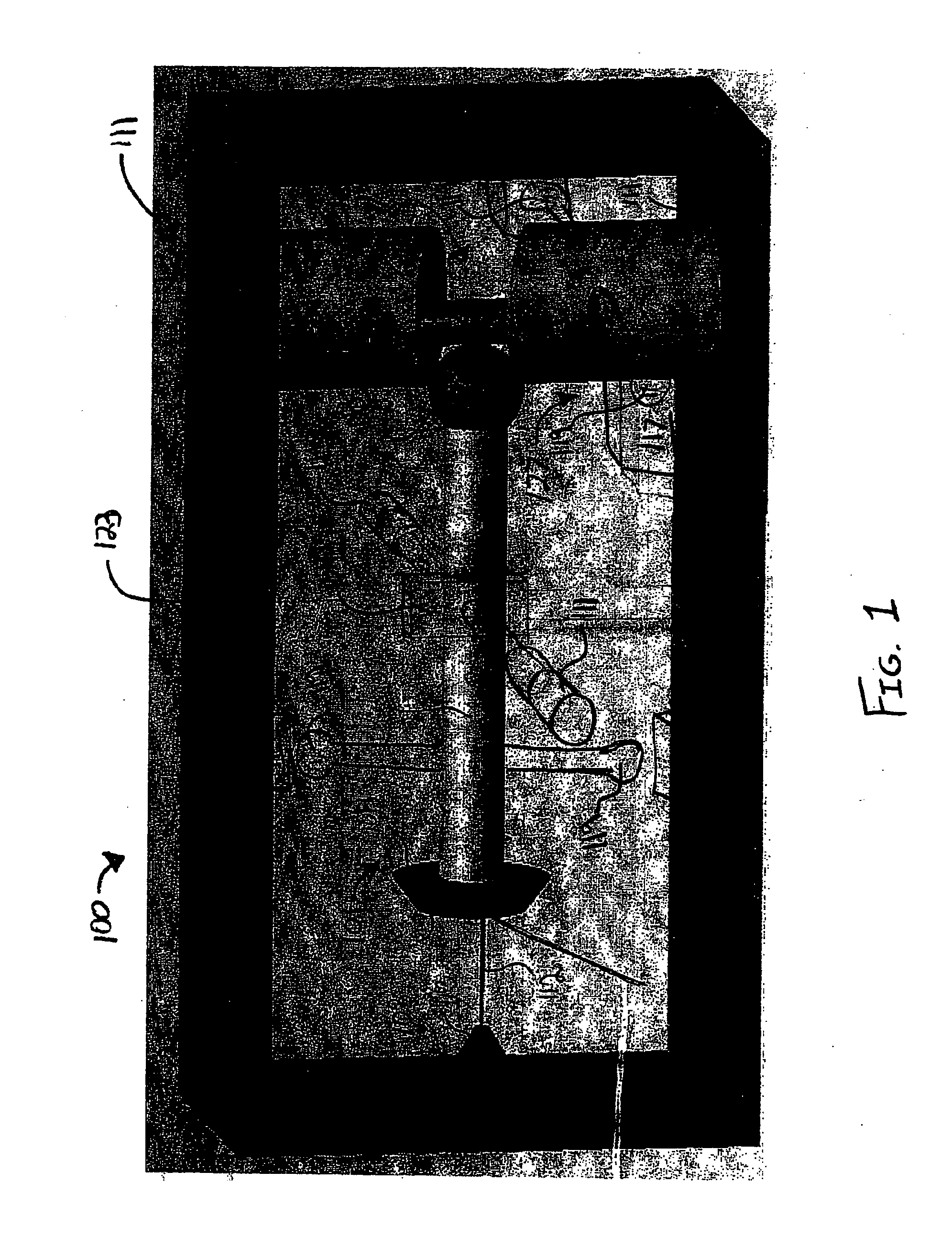
  • Figure 1
    Figure 1
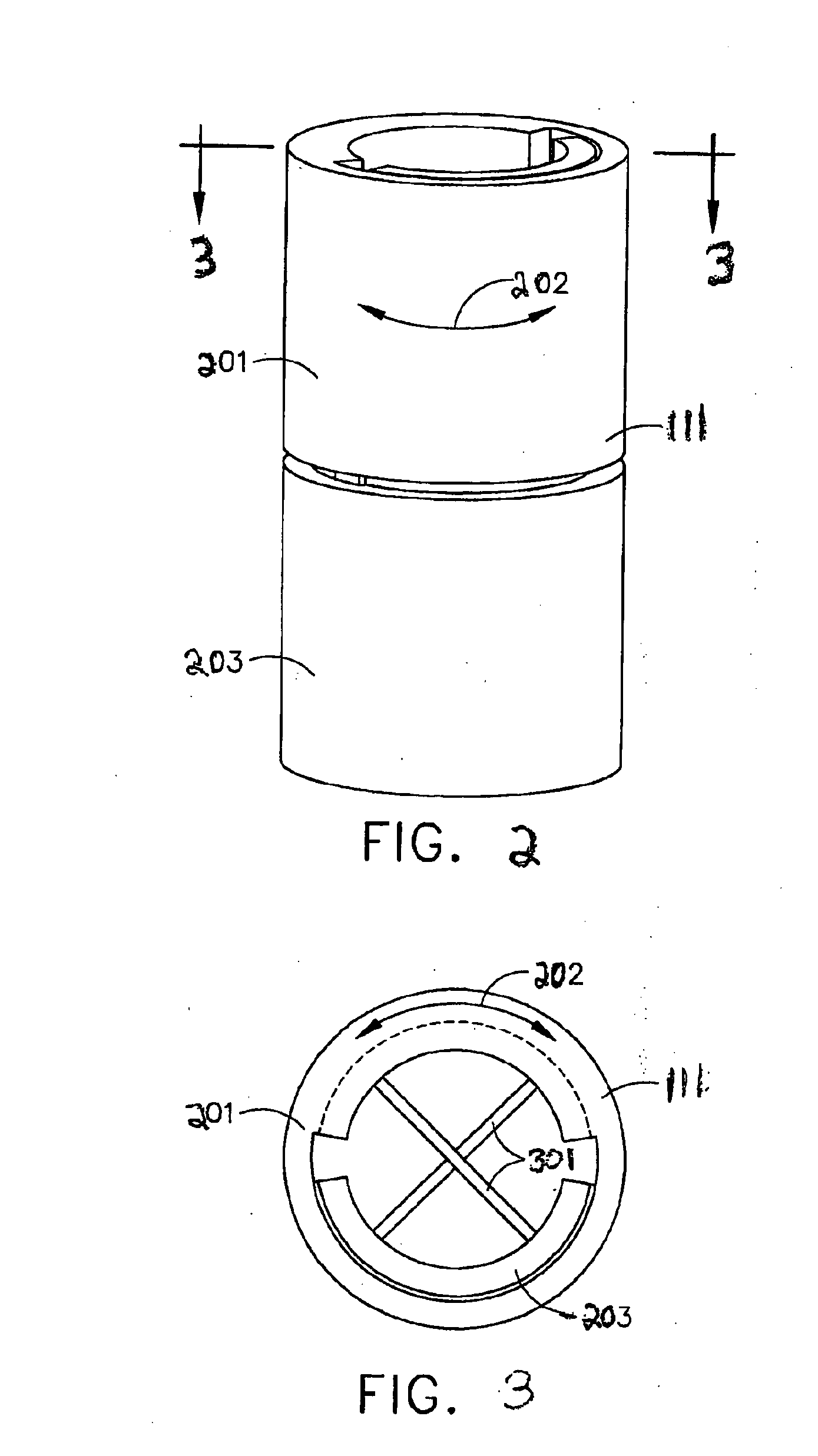
  • Figure 2
    Figure 2
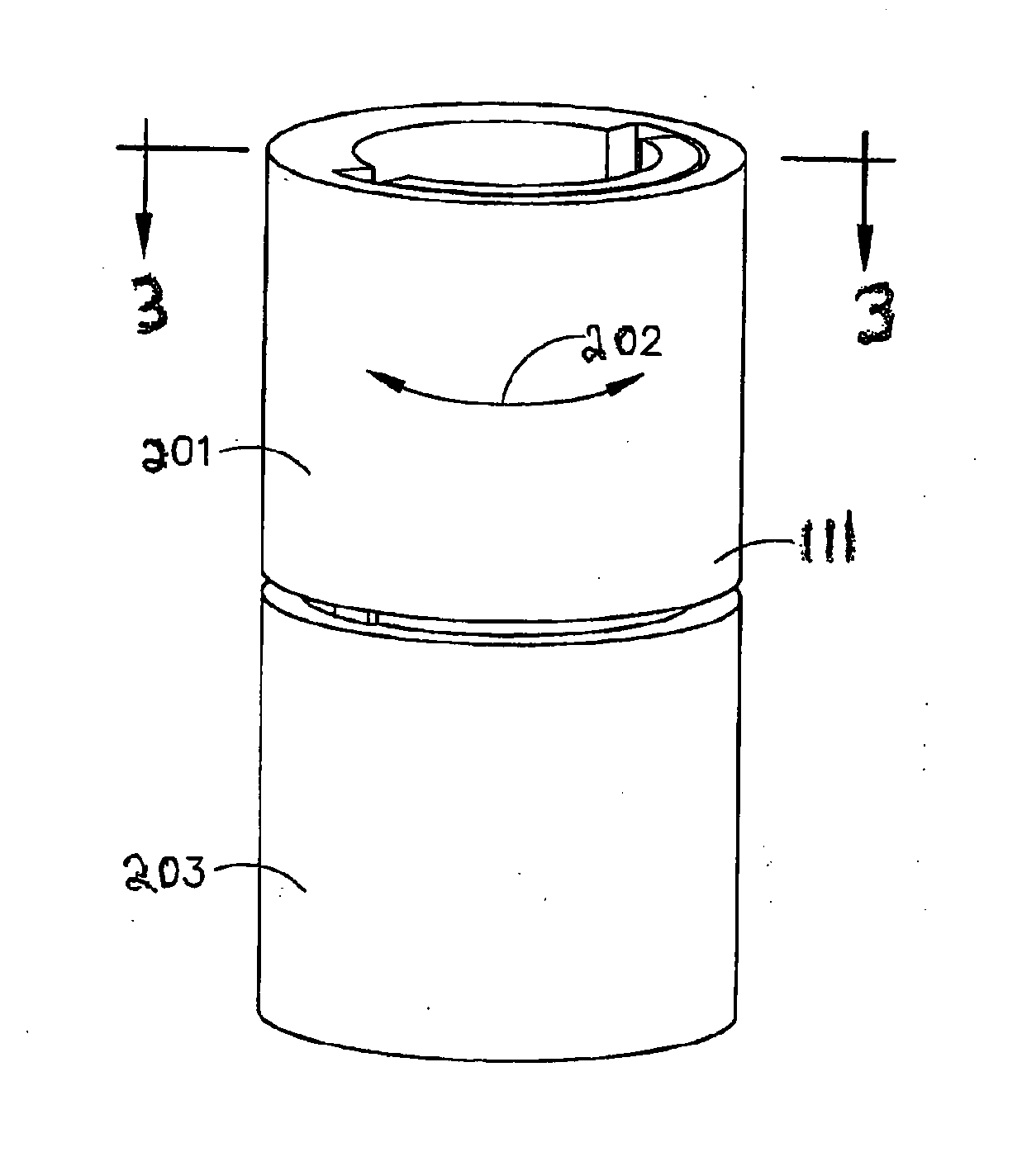
  • Figure 3
    Figure 3
Patent Text Reader

Abstract

An X-ray tube anode target assembly (101) having a support shaft (107) connected to a pivot assembly (109) and a movable anode target (105) having a target surface (106) disposed at one end of the support shaft and a contact element (108) disposed at the opposite end of the support shaft. A first drive assembly (115) is operably arranged with respect to the support shaft to provide oscillatory motion to the anode target about a first axis substantially parallel to the support shaft and a drive cylinder (125) is operably arranged with respect to the contact element to provide a pivoting motion to the support shaft. A second drive assembly (127) is operably arranged with respect to the drive cylinder to provide an oscillatory motion to the drive cylinder, the second drive cylinder being further configured to provide a linear motion parallel to the first axis. The target surface is maintained at a substantially constant angle of impingement and maintains a substantially fixed distance from a cathode (103) during target motion.
Need to check novelty before this filing date? Find Prior Art

Description

FIELD OF THE INVENTION

[0001] This disclosure relates to an X-ray tube anode target assembly and, more particularly, to configuration and structures for imparting motion to an X-ray tube anode target assembly.BACKGROUND

[0002] Ordinarily, an X-ray beam-generating device referred to as an X-ray tube comprises dual electrodes of an electrical circuit in an evacuated chamber or tube. One of the electrodes is an electron emitter cathode which is positioned in the tube in spaced relationship to an anode target. Upon energization of the electrical circuit generates a stream or beam of electrons directed towards the anode target. This acceleration is generated from a high voltage differential between the anode and cathode that may range from 60-450 kV, which is a function of the imaging application. The electron stream is appropriately focused as a thin beam of very high velocity electrons striking the anode target surface. The anode surface ordinarily comprises a predetermined material, for e...

Examples

Embodiment Construction

[0024]FIG. 1 is a perspective view of an X-ray tube assembly 100 having an anode assembly 101 and a cathode assembly 103. The anode assembly 101 and cathode assembly 103 are arranged in a manner, through thermionic or field-emission electron generation, that permits formation of X-rays, during X-ray tube assembly 100 operation. The anode assembly 101 includes an anode target 105 mounted on a support shaft 107. The anode target 105 is fabricated from any material suitable for use as an anode target, such as, but not limited to copper (Cu), iron (Fe), silver (Ag), chromium (Cr), cobalt (Co), tungsten (W), molybdenum (Mo), and their alloys. For example, tungsten or molybdenum having additive refractory metal components, such as, tantalum, hafnium, zirconium and carbon may be utilized. The suitable materials may also include oxide dispersion strengthened molybdenum and molybdenum alloys, which may further include the addition of the addition of graphite to provide additional heat storag...