Hydrogen generator photovoltaic electrolysis reactor system

a photovoltaic electrolysis and hydrogen generator technology, applied in light radiation electric generators, instruments, energy input, etc., can solve the problems of increasing the cost of solar cells to make electricity together with electrolyzers to dissociate water into hydrogen and oxygen, increasing the cost, and hydrogen fuel cost (at least $11 per kilogram of hydrogen), and achieve the effect of efficient acceptance of refracted ligh

a photovoltaic electrolysis and hydrogen generator technology, applied in light radiation electric generators, instruments, energy input, etc., can solve the problems of increasing the cost of solar cells to make electricity together with electrolyzers to dissociate water into hydrogen and oxygen, increasing the cost, and hydrogen fuel cost (at least $11 per kilogram of hydrogen), and achieve the effect of efficient acceptance of refracted ligh

US7459065B2Active Publication Date: 2008-12-02GM GLOBAL TECH OPERATIONS LLC

Image

Smart Image Click on the blue labels to locate them in the text.
Viewing Examples
Smart Image
  • Hydrogen generator photovoltaic electrolysis reactor system
  • Hydrogen generator photovoltaic electrolysis reactor system
  • Hydrogen generator photovoltaic electrolysis reactor system

Examples

Experimental program
Comparison scheme
Effect test

Embodiment Construction

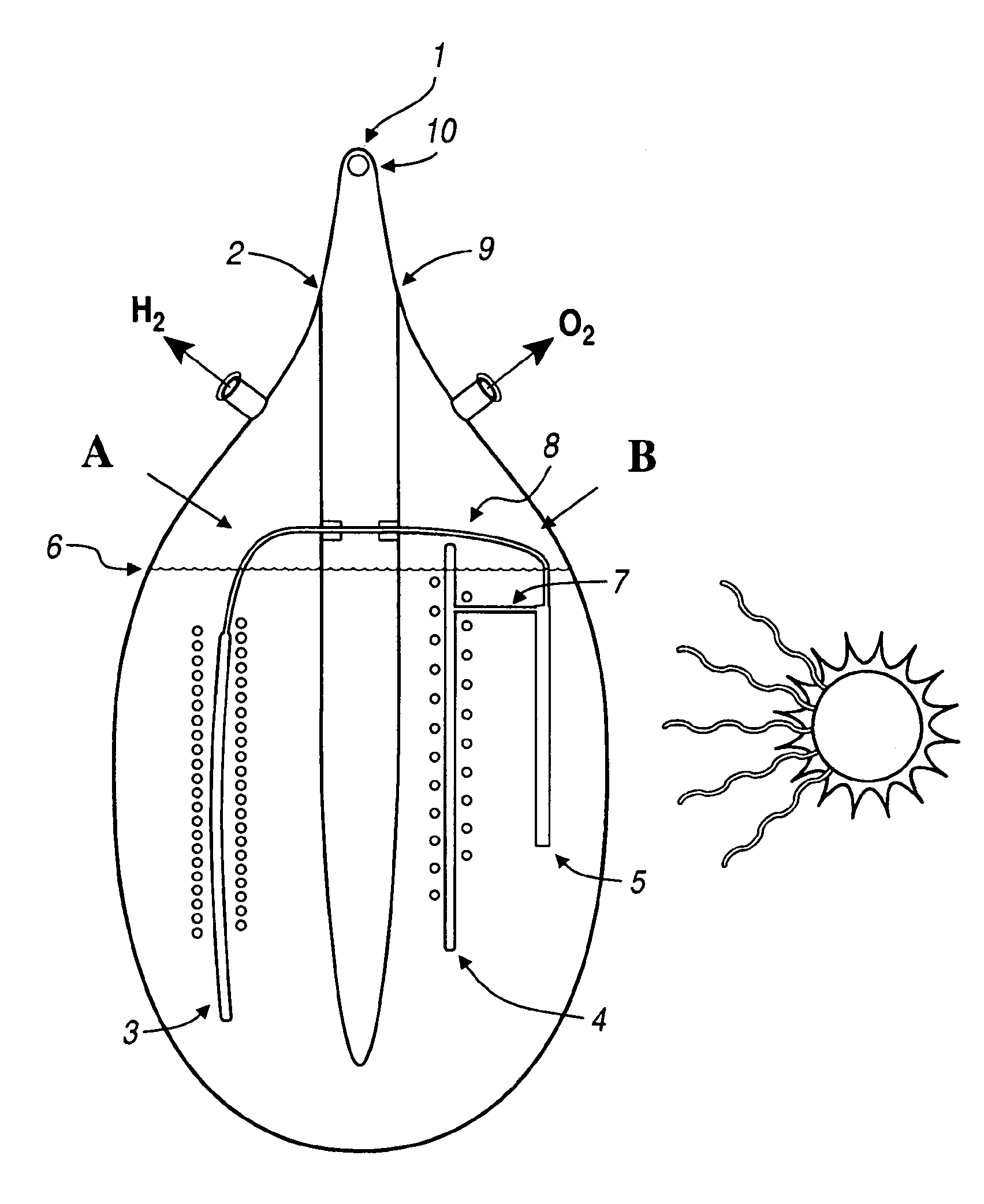
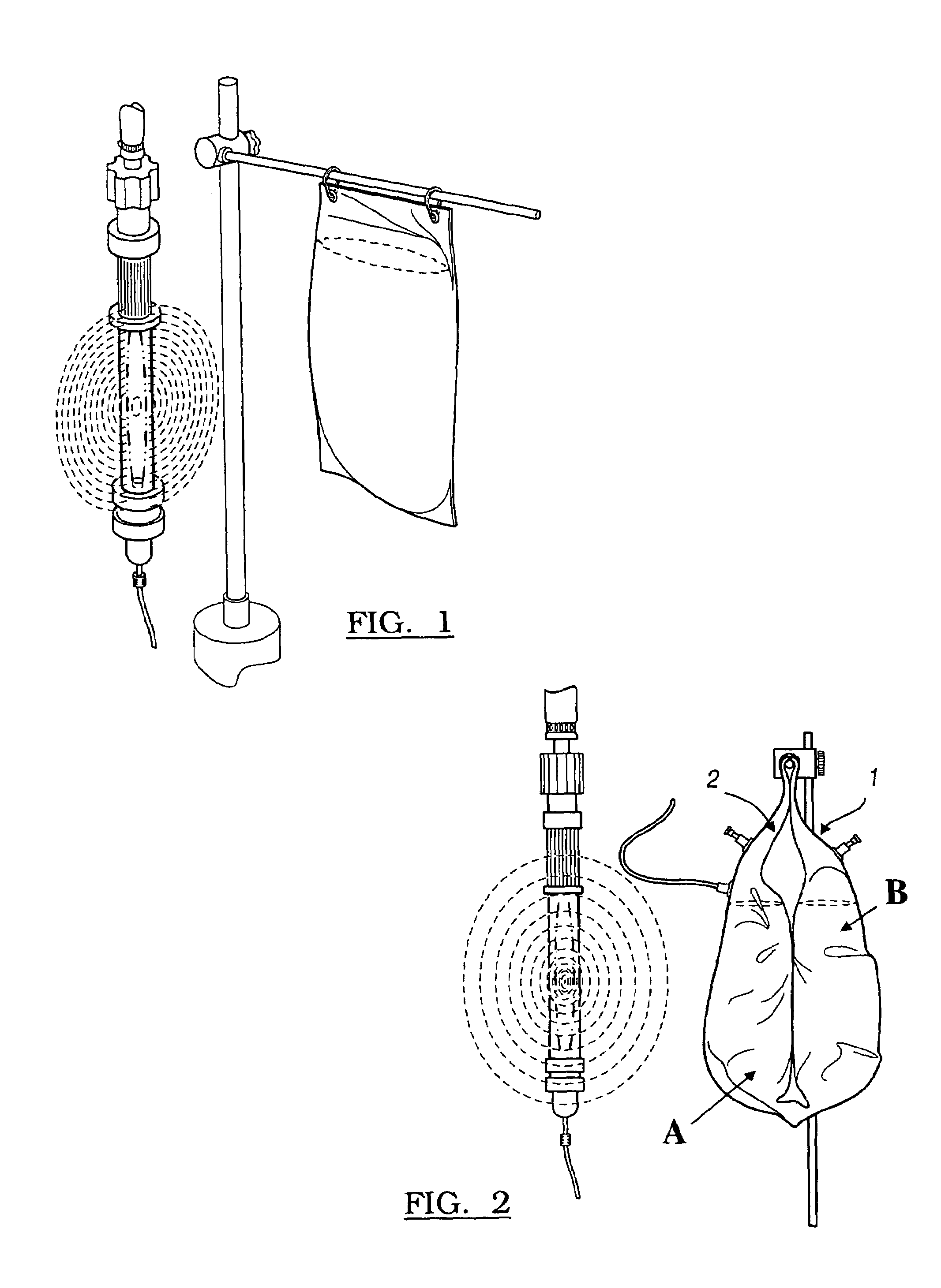
[0014]The following description of the preferred embodiments is merely exemplary in nature and is in no way intended to limit the invention, its application, or uses. In one aspect of the present invention, there is provided a photoelectrochemical (PEC) system, which is an integrated combination of photovoltaic (PV) cells (a photovoltaic module) with electrolysis chambers that uses solar energy to directly split water into hydrogen and oxygen. The current invention is a design for a self-contained solar hydrogen generator consisting of a PEC system based on simple, low-cost materials, i.e. a plastic-film or acrylic sheet chamber, commercially available crystalline silicon (c-Si) PV cells, Ni and coated Ni electrodes, and a basic electrolyte (water containing dissolved KOH). The unique design of the chamber: 1) leads to separation of the hydrogen and oxygen, 2) focuses the sunlight on the PV cells so that a smaller cell area creates more hydrogen (photoenhancement), and 3) allows for...

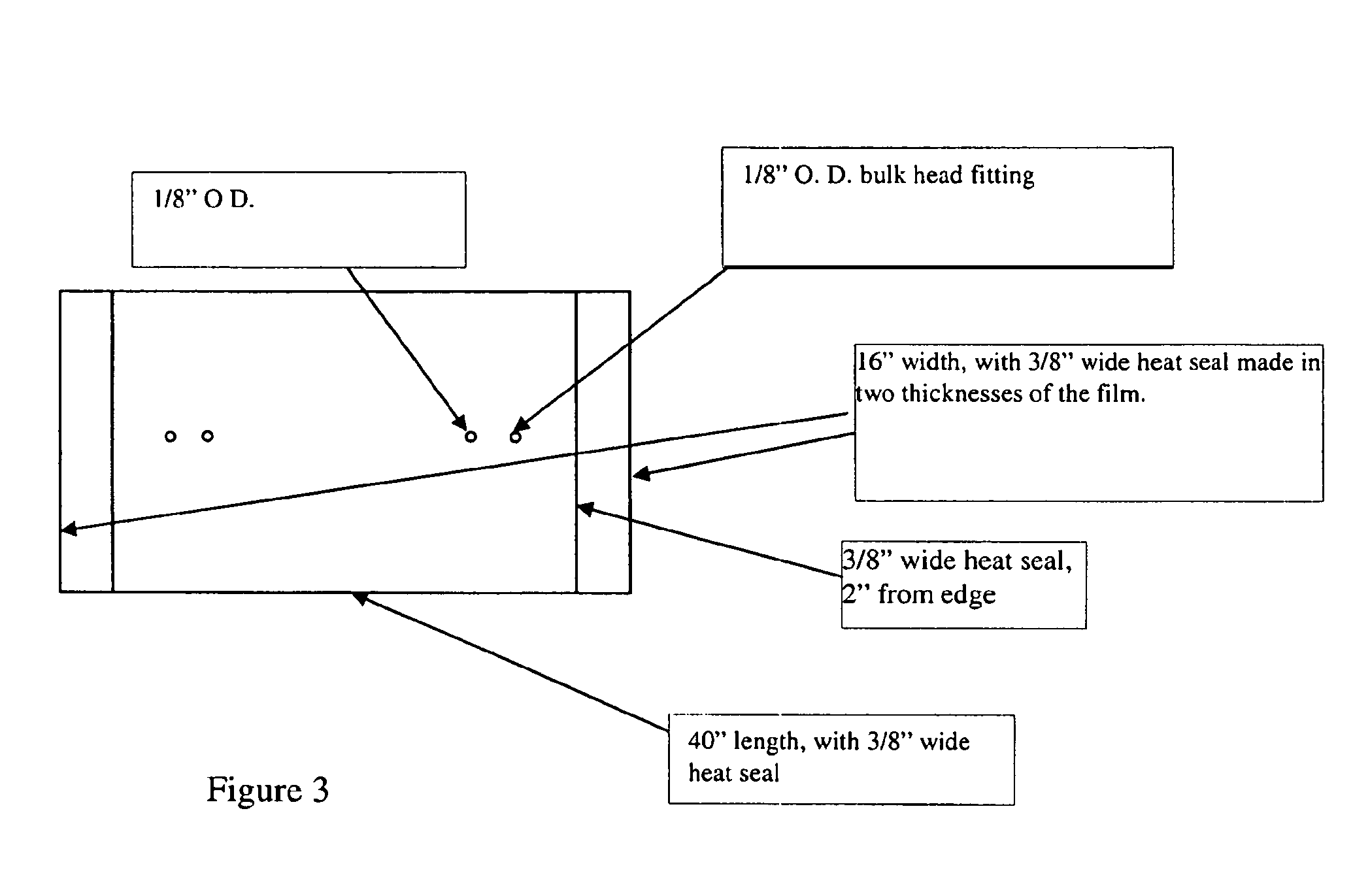
the structure of the environmentally friendly knitted fabric provided by the present invention; figure 2 Flow chart of the yarn wrapping machine for environmentally friendly knitted fabrics and storage devices; image 3 Is the parameter map of the yarn covering machine
Login to View More

PUM

PropertyMeasurementUnit
Vocaaaaaaaaaa
open circuit output voltageaaaaaaaaaa
Login to View More

Abstract

An apparatus for creating hydrogen from the disassociation of water using sunlight (photoelectrolysis) is provided. The system utilizes an aqueous fluid filled container which functions both to hold the water to be disassociated and as a light collecting lens. A photovoltaic module is positioned at a point to most efficiently accept the refracted light from the fluid filled container. A pair of electrodes which are coupled to the photovoltaic module are disposed within the fluid and configured to split the water into hydrogen and oxygen.

Description

CROSS-REFERENCE TO RELATED APPLICATIONS[0001]This application claims the benefit of U.S. Provisional Application No. 60 / 545,374, filed on Feb. 18, 2004. The disclosure of the above application is incorporated herein by reference.FIELD OF THE INVENTION[0002]This invention relates to apparatus for electrolysis of water, and, more particularly, to photoelectrochemical (PEC) devices for the solar photoelectrolysis of water to produce hydrogen.BACKGROUND OF THE INVENTION[0003]Currently the major process by which hydrogen is produced is by the steam reforming of methane. Another means of making hydrogen is by the electrolysis of water. The electricity required for electrolysis is mainly derived from the electric power grid, and the predominant source of grid electricity, combustion of fossil fuels, generates emissions, such as nitrogen oxides and particulate matter, as well as carbon dioxide. One way to eliminate such emissions is to use solar generated electricity to electrolyze water to...

Claims

the structure of the environmentally friendly knitted fabric provided by the present invention; figure 2 Flow chart of the yarn wrapping machine for environmentally friendly knitted fabrics and storage devices; image 3 Is the parameter map of the yarn covering machine
Login to View More

Application Information

Patent Timeline
02 Dec 2008
Publication
US7459065B2
IPC
C25B1/04; C25B1/06; C25B9/06; H01L31/052; H02N6/00; B01J19/12; C25B9/17; H01L25/00; H01L31/048
CPC
C25B1/04; H01L31/0543; Y02E10/52; Y02E70/10; Y02E60/366; Y02E60/36; Y02P20/133
Inventors
KELLY, NELSON A; GIBSON, THOMAS L