Apparatus and methods for activity-based plasticity in a spiking neuron network

a neural network and activity-based technology, applied in the field of computer vision and machine learning using artificial neural networks, can solve the problems of computational power exceeding the capability of video processing devices, particularly portable devices, and processing may be computationally intensive, and achieve the effect of enhancing the performance of a neural network

US8972315B2Active Publication Date: 2015-03-03BRAIN CORP
8 Cites 72 Cited by

Patent Information

Authority / Receiving Office
US · United States
Patent Type
Patents(United States)
Current Assignee / Owner
Publication Date
2015-03-03

Smart Images

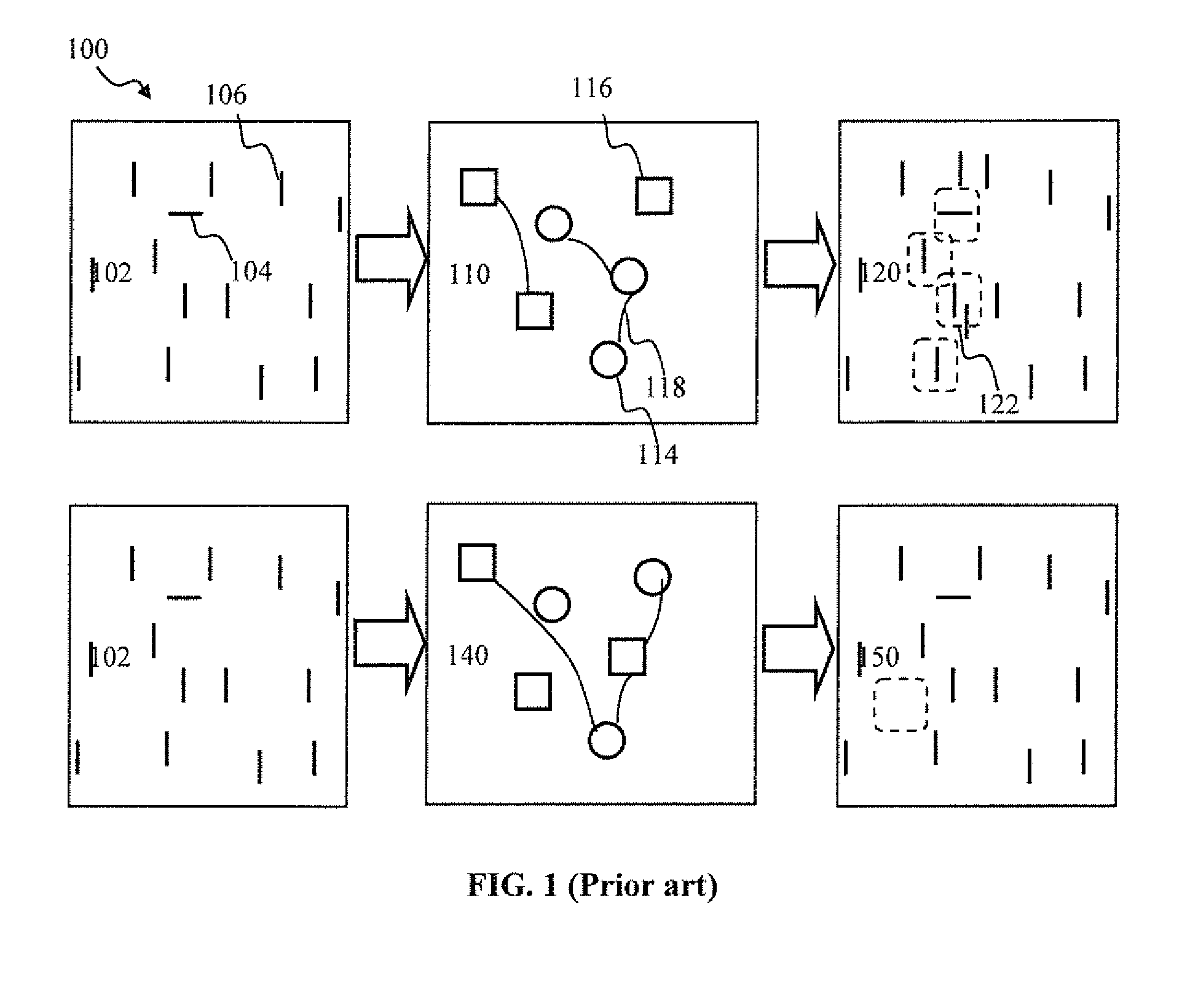
  • Figure 1
    Figure 1
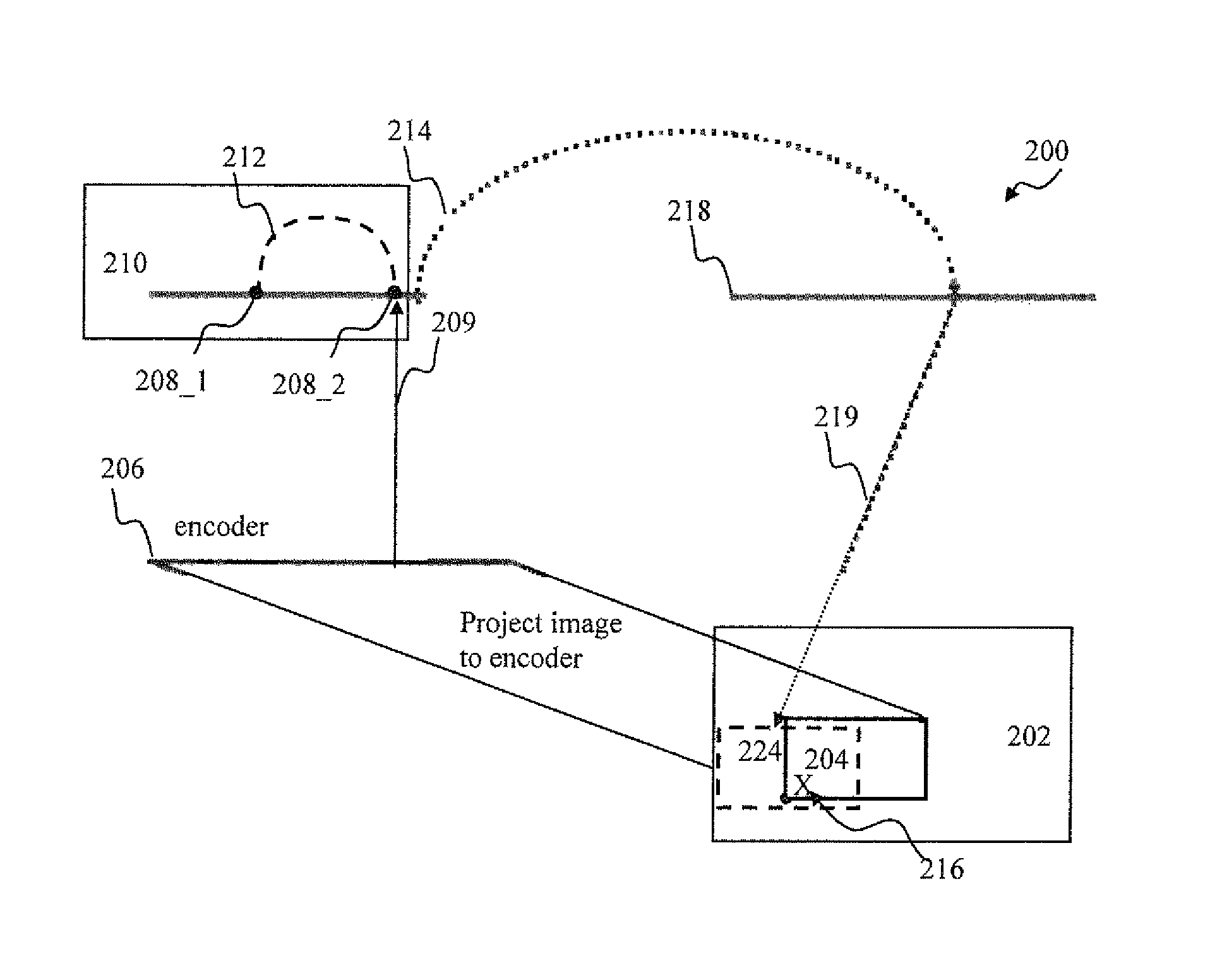
  • Figure 2
    Figure 2
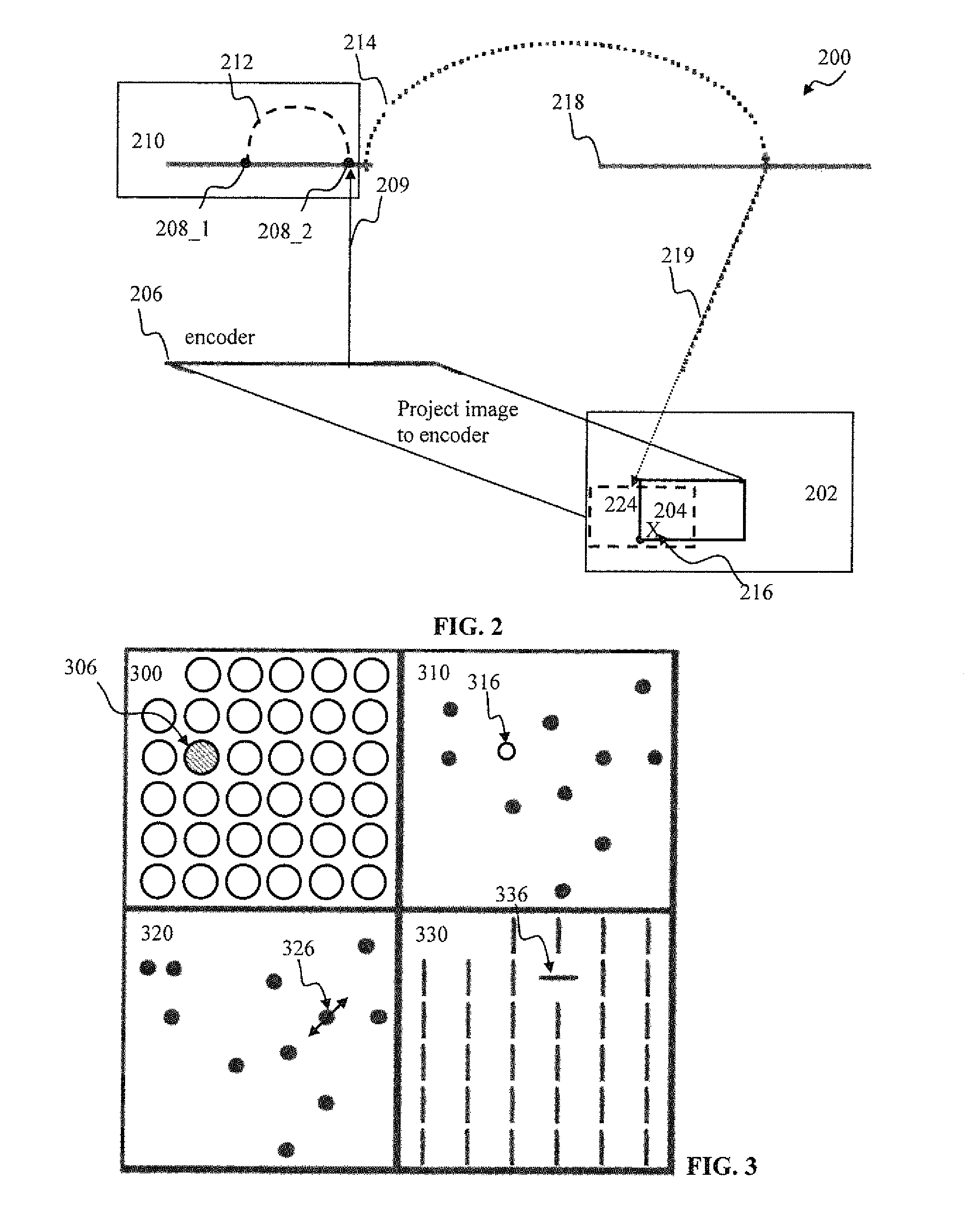
  • Figure 3
    Figure 3
Patent Text Reader

Abstract

Apparatus and methods for plasticity in spiking neuron network. The network may comprise feature-specific units capable of responding to different objects (red and green color). Plasticity mechanism may be configured based on difference between two similarity measures related to activity of different unit types obtained during network training. One similarity measure may be based on activity of units of the same type (red). Another similarity measure may be based on activity of units of one type (red) and another type (green). Similarity measures may comprise a cross-correlogram and / or mutual information determined over an activity window. Several similarity estimates, corresponding to different unit-to-unit pairs may be combined. The combination may comprise a weighted average. During network operation, the activity based plasticity mechanism may be used to potentiate connections between units of the same type (red-red). The plasticity mechanism may be used to depress connections between units of different types (red-green).
Need to check novelty before this filing date? Find Prior Art

Description

CROSS-REFERENCE TO RELATED APPLICATIONS

[0001] This application is related to co-owned U.S. patent application Ser. No. 13 / 152,119, entitled “SENSORY INPUT PROCESSING APPARATUS AND METHODS”, filed on Jun. 2, 2011, co-owned and co-pending U.S. patent application Ser. No. 13 / 465,924, entitled “SPIKING NEURAL NETWORK FEEDBACK APPARATUS AND METHODS”, filed May 7, 2012, co-owned and co-pending U.S. patent application Ser. No. 13 / 465,903 entitled “SENSORY INPUT PROCESSING APPARATUS IN A SPIKING NEURAL NETWORK”, filed May 7, 2012, a co-owned U.S. patent application Ser. No. 13 / 465,918, entitled “SPIKING NEURAL NETWORK OBJECT RECOGNITION APPARATUS AND METHODS”, filed May 7, 2012, a co-owned U.S. patent application Ser. No. 13 / 488,106, entitled “SPIKING NEURON NETWORK APPARATUS AND METHODS”, filed Jun. 4, 2012, a co-owned U.S. patent application Ser. No. 13 / 488,114, entitled “SPIKING NEURON NETWORK APPARATUS AND METHODS”, filed Jun. 4, 2012, a co-owned U.S. patent application Ser. No. 13 / 541,5...

Examples

Embodiment Construction

[0039]Implementations of the present technology will now be described in detail with reference to the drawings, which are provided as illustrative examples so as to enable those skilled in the art to practice the technology. Notably, the figures and examples below are not meant to limit the scope of the present disclosure to a single implementation, but other implementations and implementations are possible by way of interchange of or combination with some or all of the described or illustrated elements. Wherever convenient, the same reference numbers will be used throughout the drawings to refer to same or like parts.

[0040]Where certain elements can be partially or fully implemented using known components, only those portions of such known components that are necessary for an understanding of the various features of the present disclosure will be described, and detailed descriptions of other portions of such known components will be omitted so as not to obscure the disclosure.

[0041...